A new approach
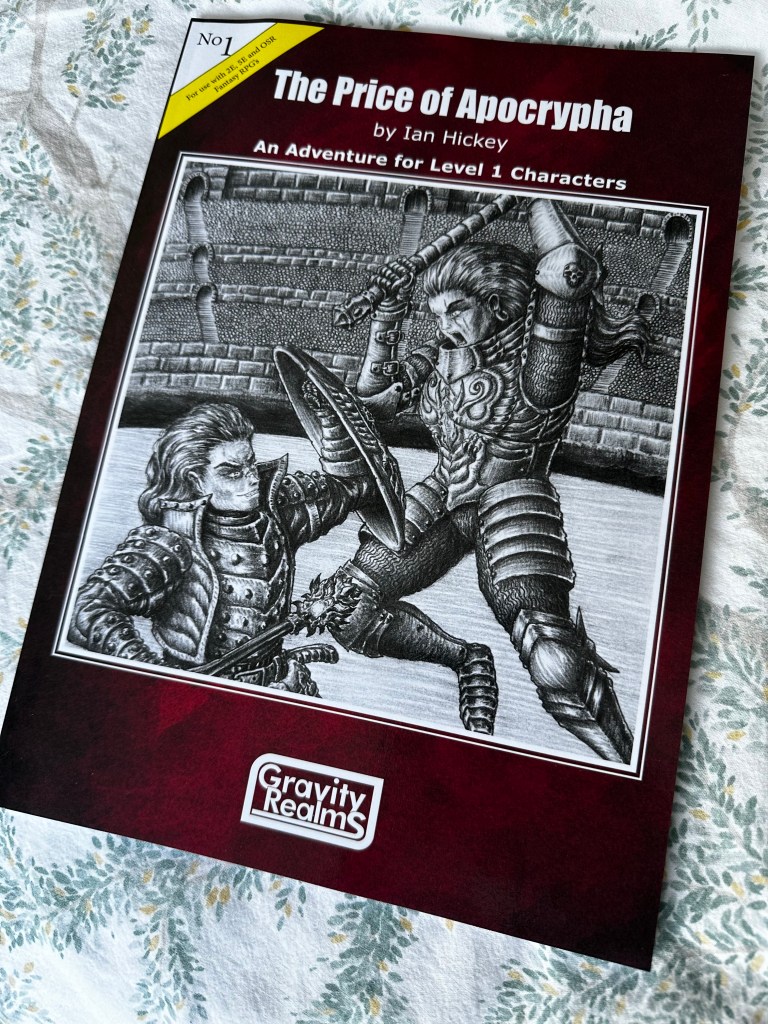
First of all, I struggle to get out of my old way of building a campaign world and, even a campaign. I recognised in my last post that there are definite draw-backs to it, but still, I find it hard not to do a whole bunch of preparation. I do still think that a certain amount of prep is advisable but I have been actively trying to limit the amount I do. This doesn’t work as well in some games as others. In D&D, if you don’t do a lot of prep, you might be alright but it is a real pain if you don’t have the right stats to hand when your PCs decide they are going to enter the local gladiatorial games or they want to go ankheg hunting. It slows things down a lot and hurts the overall flow of the session. But it does feel like you are pushing the plot and your PCs in a very particular direction when you do it! Is this an inherent issue with D&D? Probably not just D&D if we’re honest.
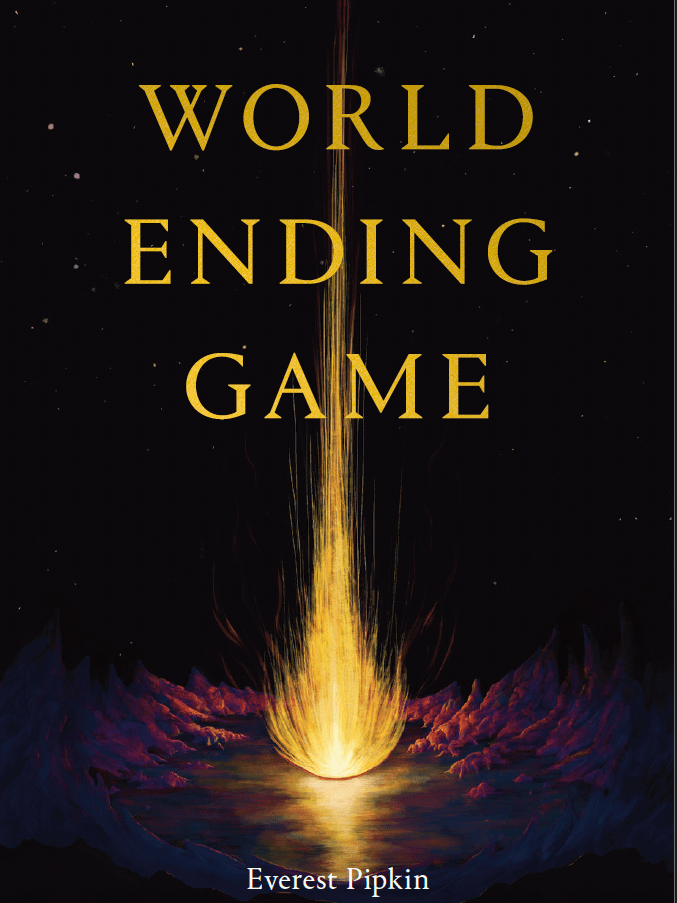
In other games, I find it can be freeing and fascinating to see how a session goes when you genuinely have no preconceptions about what is going to happen in it.
Heart
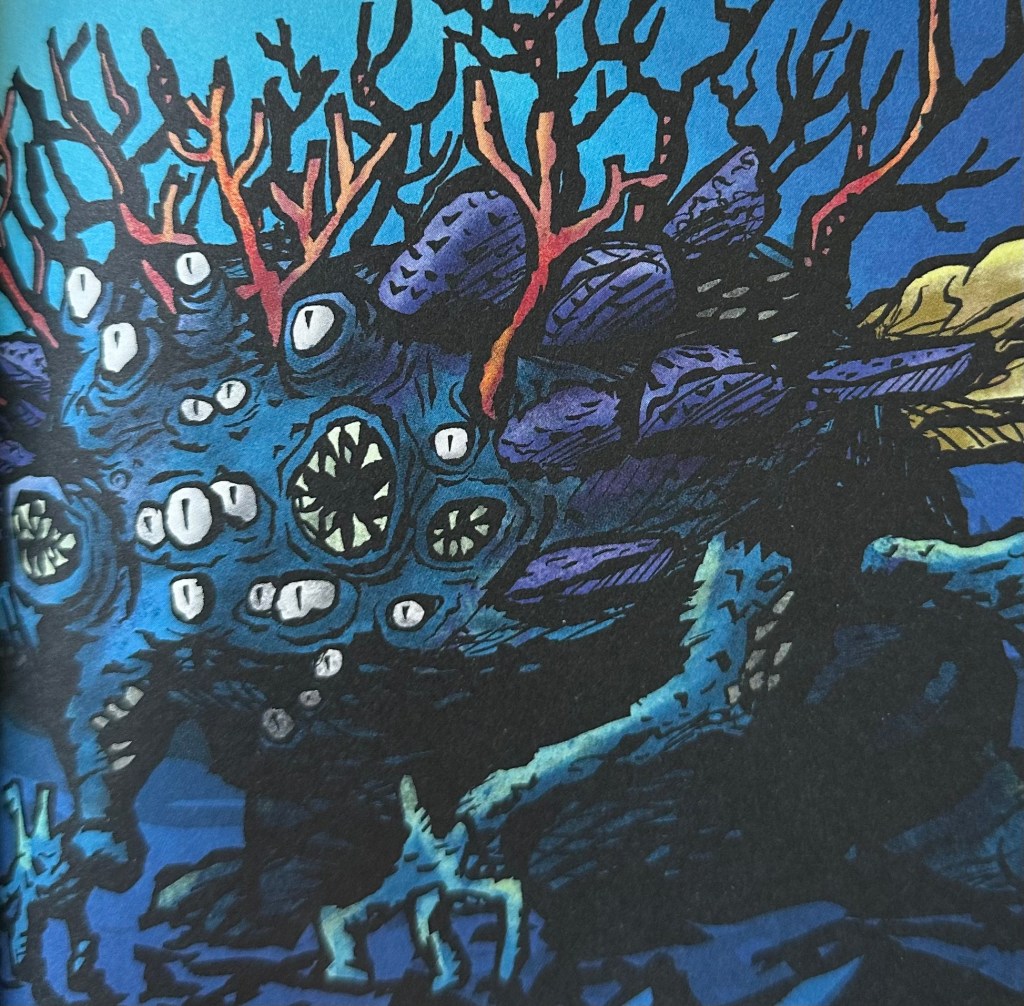
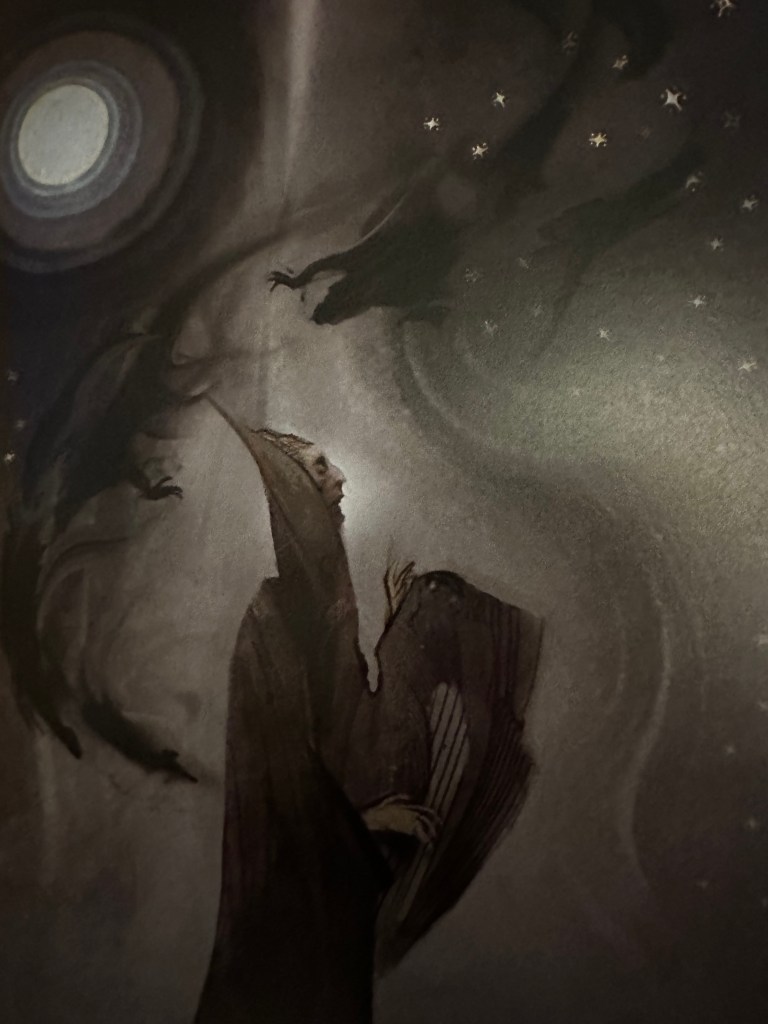
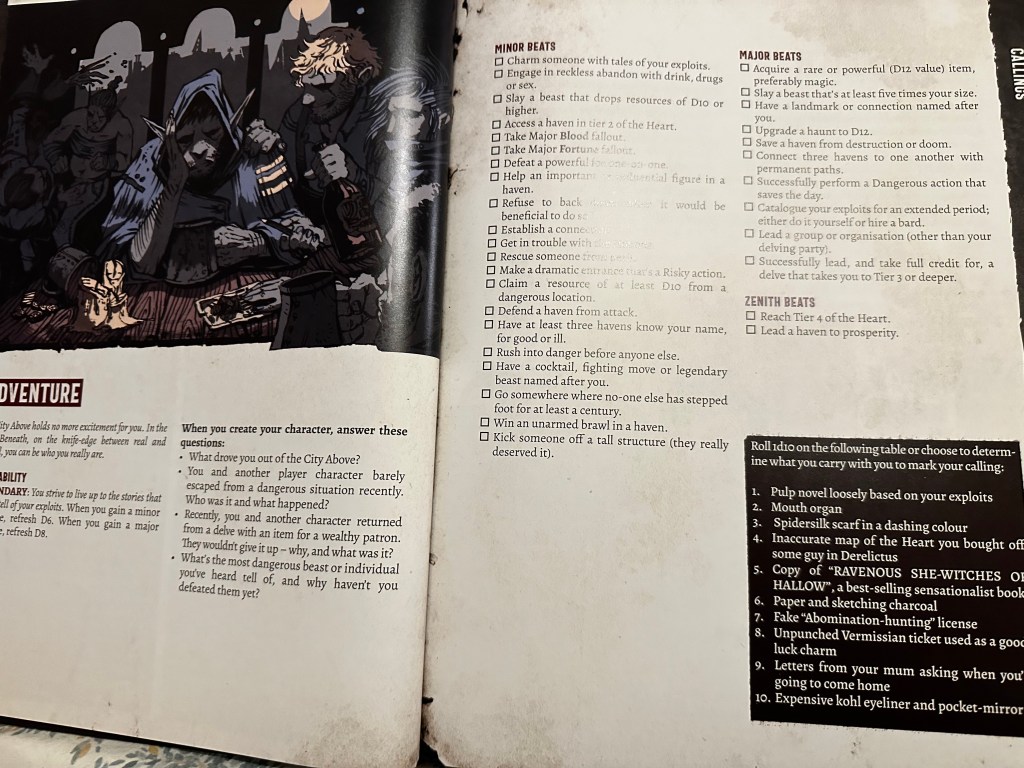
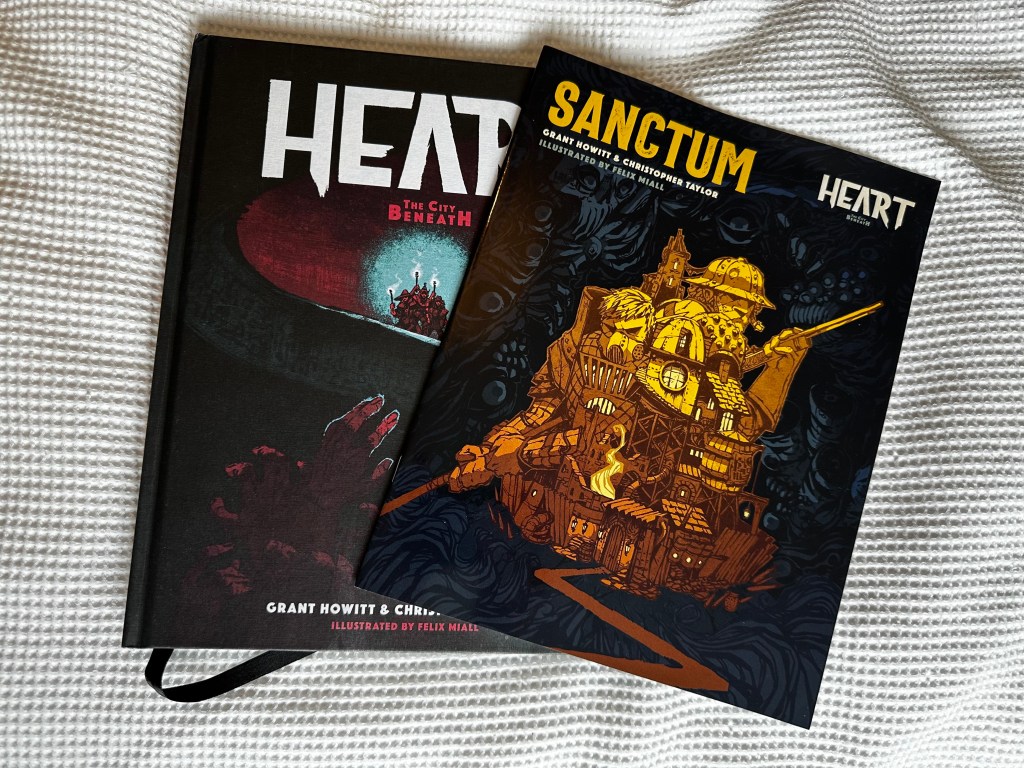
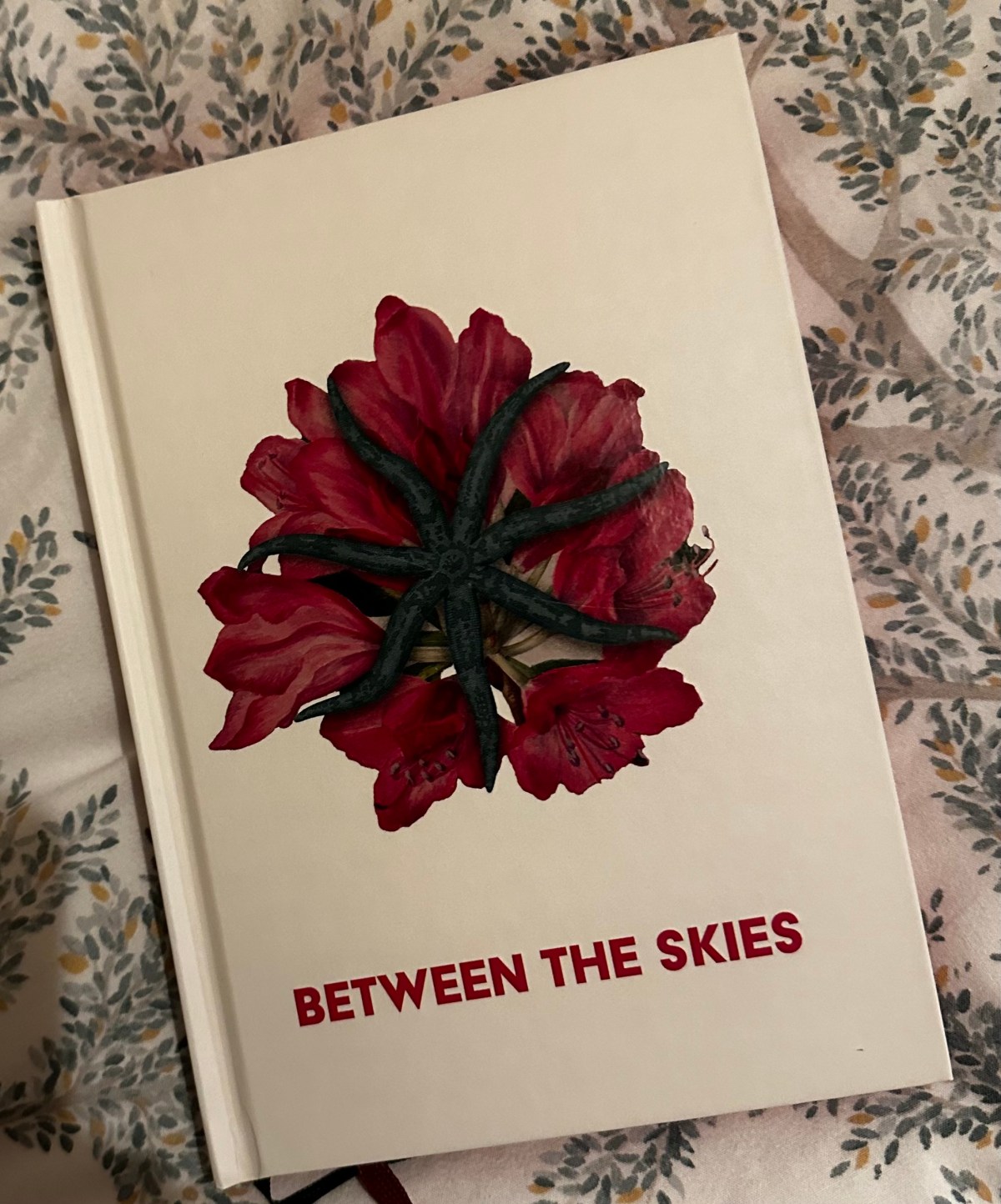
In the game of Heart I am currently running, I used a loosely written adventure that came in the Heart Quickstart Rules. We have just come to the culmination of that adventure and suddenly, the PCs are more-or-less free agents! They have done what a few NPCs have asked of them and more. They followed the breadcrumbs and now, now they are ready to take the training wheels off and head into the Heart to pursue their own dreams and nightmares. They have a couple of other leads but I am looking forwards to leaving the progress up to them from now on. I intend to largely take my hands off the wheel and, instead, rely on their own motivations to provide direction, their own relationships with NPCs to perhaps push them one way or another, even their own ideas for how the new and terrifying delves they go on might look and feel. I want to create our Heart together now that the leash is off.
Im-prompt-u
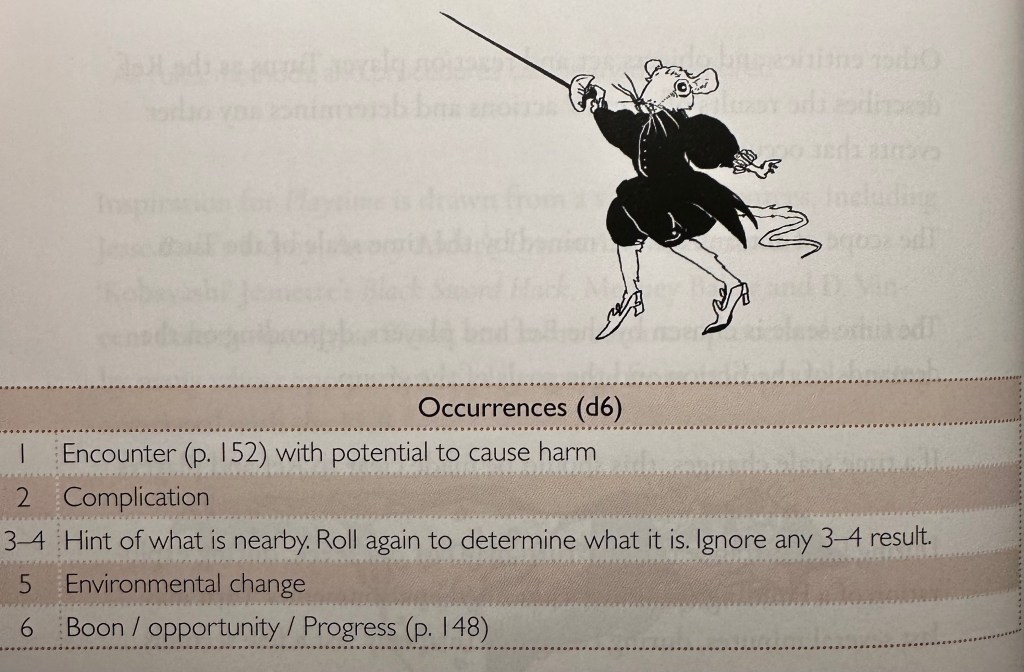
There are lots of tools out there that you can use to bring a world to life together with your players at the table. I mentioned on this blog before that we had a game of The Quiet Year by Avery Adler a while ago. In it, you get together and make a couple of establishing decisions regarding what sort of community you want to build together and what sort of genre or setting it might be in. After that, you proceed through the seasons of a year after the end of some cataclysm and before the coming of some other terror. The players use a regular deck of cards to draw on prompts from the book. Each prompt gives you an occurrence or an important decision that must be made. This way, you all draw a map together and you develop a community that includes important factions, elements of religion and social orders, abundances and scarcities, fears and loves of the populace.
I was surprised when we finished, by what a fleshed out place we had created in concert. It felt like we had the basis of a fascinating setting to start something else in. I could imagine beginning a more traditional RPG there with the same players. These players would all have had a hand in building the place, the world, its people, their relationships. And wouldn’t they be so much more invested in it?
I mentioned last time that I had made a mistake in the very beginning of the Scatterhome campaign because I had tried to play on the PCs’ devotion to their decimated homeland when they had no experience of it. They couldn’t even picture this diverse paradise island that I had in my mind. But if we had used a method like The Quiet Year to make it, we would have had the fun of playing The Quiet Year, for starters, and also, we would have a place they might have mourned as their characters.
Scale
You can go much smaller of course. In the Blades in the Dark campaign I played in recently, our GM had us use a different game called Clean Spirits to build our hideout. At the start we had to make some decisions about what sort of place it was going to be. We decided on a beached canal boat and then we worked through a series of prompts and exercises to create various parts of it. We each got to claim our own section and also collaborated to make it a place that we treasured as players and characters with its own little mushroom farm and the spirit of its former captain trapped in a bottle. Later, when we were attacked in our hideout, this made the stakes seem so much higher!
Of course, you could go even bigger instead of smaller. I know the game, Microscope, is used to create a whole history for a world that is separated into periods and events. I have no experience with it though so I don’t know how well it works.
At the table
The type of world building I like the most is the collaborative kind, I have decided. One of my players in that Scatterhome game, Tom of the Media Goblin’s Hoard blog wrote an incredible history for their character, who was a Dragonborn. Now, I had never given too much thought to the origins or current situation of Dragonborn in the setting but that was ok, because Tom had been considering it deeply. It was all couched in the back-story of their character, but it added a huge amount to the world straight away, including the fact there was an under-class of Dragonborn within the empire who were raised to be weapons at the command of their human masters, how they were raised from eggs to obey and how some escaped and went on the run. How there were bands of pirates that sometimes took on runaways like their character and how they impacted the archipelago. It was great and, although we didn’t get around to using too much of that in the game itself, the knowledge of it made a big difference to how I thought about the empire and the world as a whole.
Later in the same game, we gained some new players who decided to take their PC races from the D&D setting of Theros so we had a new island nation on our hands then, one that looked a lot like Ancient Greece and contained leonines and satyrs. Once again, their choices made that change to the world happen.
Another new character added a whole new vassal kingdom of elves to the Vitrean empire, for whom social hierarchy and feudal concerns were incredibly important. So much so that they caused a rift between his character and his siblings.
Character backstory is world-building when you leave the details of the world vague enough for players to have free rein when coming up with them. It adds to the shared world and gives them a greater feeling of ownership of it.
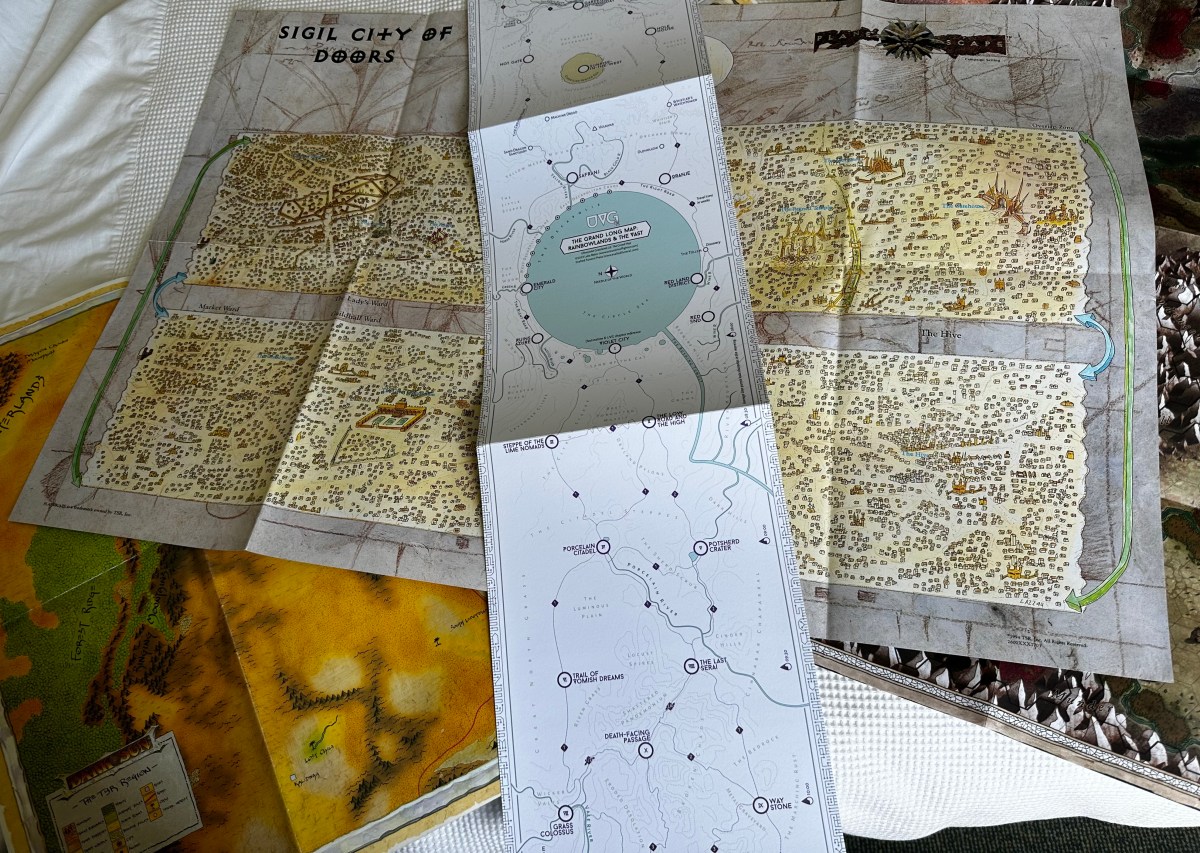
I personally love it, though, when someone, simply, confidently states the existence of a particular item, a specific shop or an individual NPC right there at the table. That item is going to help them get through that window, that shop sells the exact thing they are looking for or the NPC has the contact details they need. This sort of flavour is invaluable and often becomes far more than flavour. This happened in Spire a lot because you have to ask your players to make rolls to resolve situations but then leave the details up to them. They made up the dugguerrotypist, Reggie, who worked for the local tabloids and he later became an important bond to them. Same with every aspect of their casino, the Manticore, which quickly filled with important NPCs and locations that were largely player-created. It is the best feeling when these instantly generated details come into play right there and then at the table. It’s like magic.
How do you prefer to world-build, dear reader? Do you do all the work beforehand and let the players loose in it at the table? Do you build a world together first and go and play in it after? Do you let it all just happen at the table?


, do yourself a favour and go check them out. When I first encountered his work several years ago, it filed me with wonder. He created such a realistic depiction of a past that was largely recognisable to me from my own childhood, interspersed with or shockingly dominated by futuristic architectures and sci-fi wonders. His work excited my imagination like only RPGs had in the past. So when I discovered that Free League were producing a [Tales From the Loop game](https://freeleaguepublishing.com/games/tales-from-the-loop-rpg/), it didn’t take me long to pick it up. It took a little longer to get it to the table but when I did I discovered that the players loved it.
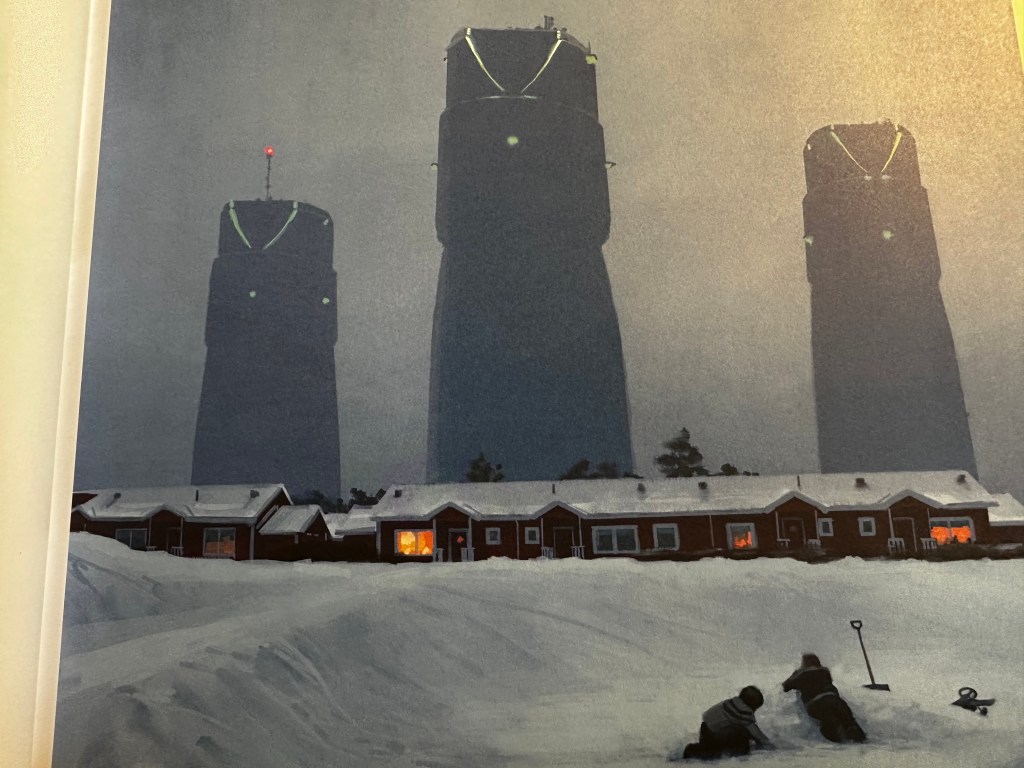
Tales from the Loop is a game about the 1980s that never was. It posits a world in which some astounding scientific breakthroughs occurred in the ‘50s and ‘60s so that, by the time in which the game is set, they are not considered so strange. You have your robots and your hovercraft and your infinitely renewable energy. But most of that stuff is considered mundane in Stålenhag’s world. Not only that, they exist alongside the ‘80s mainstay technologies like Walkmans, cassette tapes, VCRs and Soda Stream. In Stålenhag’s artwork this created some beautifully uncanny images. Most were set in the region of Sweden known as Mälaröarna, where the Loop project was based. This is where the world’s largest particle accelerator was built. Though it is not necessarily directly responsible for the many strange occurrences in the region, the people who populate such a scientifically rarified place usually are. Scientists and administrators and students flocked to the region and started families there. So many of Stålenhag’s paintings involved kids; a toe-headed child threatening an old Volkswagen van marked “Polis” with a giant robot under his control; a pair of woolly-hatted kids digging in the Swedish snow and gazing back at their homes, dwarfed by the cyclopean, other-worldly cooling towers used to release heat from the core of the Loop itself, the Gravitron; a little kid in cold weather coveralls leading his grandfather through the snow to a mysterious sphere, left abandoned in the countryside, its purpose and provenance forgotten. These were the inspirations for the RPG.
The game came out at the height of the popularity of Stranger Things, which helped it gain a lot of traction I think, and then it even had its own, unfortunately not so popular, spinoff [TV series](https://en.wikipedia.org/wiki/Tales_from_the_Loop), which I, at least, loved.
In the RPG you play kids between 10 and 15 years old. You get to choose a Type from such classics as the Computer Geek, the Hick and the Weirdo. You also have to choose some really fun things like your Iconic Item, your key relationships and your favourite 1980s song.
Once you have your Kid, you and your friends can go out and investigate weird shit on your bikes. Stuff like, where are all the birds gone? What are all the adults doing gathered around that weird machine in the field? What’s that dinosaur looking claw print in the snow? You know, normal kid shit.
## Roll mechanics
Tales from the Loop uses a version of the Year Zero engine, and, in fact, it was the first game I played using that system. It’s really straight-forward and intuitive, easy to learn and resolves situations quickly. “Situations” are generally and collectively referred to in the text as “Trouble” with a capital “T,” appropriately enough. For many, the Trouble you got into and out of when they were kids are some of the most enduring and treasured memories. In the game, you combine your ability dice and your skill dice into one dice pool and roll them all to try and get at least one 6. Since you only use d6s in this game, that’s the highest you can roll. The more 6s you roll the better, generally.
The only issue my players and I had with the rules is the Extended Trouble mechanic. The way this works is that, during the final showdown, encounter or whatever, every kid says what they are going to do and the GM tells them how many successes they will need to succeed fully. Then one player rolls all the dice in one enormous pool. Generally, if they don’t succeed fully but they still have a few successes, they might achieve what they were trying to but one or more kids will earn conditions or even become Broken. But, in play, we found this approach to be unsatisfying. Each player wanted their own cool moment to roll for and the all-or-nothing approach meant that they couldn’t attempt to take any rectifying actions if and when they saw things going wrong. Anyway, suffice it to say, we won’t be using the Extended Trouble rule next time.
## Mascots and Murder
Here are the very basics of the scenario I have planned:
Although the first Loop was in Sweden and much of the book is written as though it is the default setting, they do actually provide a second potential setting in it. That’s Boulder City, Nevada, the “Best city by a dam site,” which is a reference to its proximity to the Hoover Dam. There is another Loop in this region and all of the scenarios presented in the core book can be transposed very easily to the desert, believe it or not. This is where the kids in this scenario will be from. It is summer in Boulder City so it’s going to be so sizzling hot that you can fry an egg on the sidewalk. This will be a nice change as all the other Tales from the Loop games I have played were set in Sweden in autumn and winter.
Some teens have gone missing from Boulder City. Although their parents don’t seem too worried about it, our intrepid Kids are going to solve this mystery as they track down the source of the eerie, carnival-like music out in the Nevada desert and figure out what the connection is.
I have had fun writing this scenario, even though I have gone over it and over it to get it right. So, it’ll be ready to play in a few weeks.
The Tales from the Loop core book has some very useful advice for writing and structuring a scenario for it yourself. As long as you stick to that, you’re unlikely to go wrong. This is not actually the first one I have written myself, using these guidelines and, I can tell you, it works really well.
Have you played Tales from the Loop? What did you think of it? If you had to run a particular game for Indie Mascot Horror vibes, what would it be?](https://thedicepool.com/wp-content/uploads/2024/07/img_3376.jpeg?w=1024)
, do yourself a favour and go check them out. When I first encountered his work several years ago, it filed me with wonder. He created such a realistic depiction of a past that was largely recognisable to me from my own childhood, interspersed with or shockingly dominated by futuristic architectures and sci-fi wonders. His work excited my imagination like only RPGs had in the past. So when I discovered that Free League were producing a [Tales From the Loop game](https://freeleaguepublishing.com/games/tales-from-the-loop-rpg/), it didn’t take me long to pick it up. It took a little longer to get it to the table but when I did I discovered that the players loved it.
Tales from the Loop is a game about the 1980s that never was. It posits a world in which some astounding scientific breakthroughs occurred in the ‘50s and ‘60s so that, by the time in which the game is set, they are not considered so strange. You have your robots and your hovercraft and your infinitely renewable energy. But most of that stuff is considered mundane in Stålenhag’s world. Not only that, they exist alongside the ‘80s mainstay technologies like Walkmans, cassette tapes, VCRs and Soda Stream. In Stålenhag’s artwork this created some beautifully uncanny images. Most were set in the region of Sweden known as Mälaröarna, where the Loop project was based. This is where the world’s largest particle accelerator was built. Though it is not necessarily directly responsible for the many strange occurrences in the region, the people who populate such a scientifically rarified place usually are. Scientists and administrators and students flocked to the region and started families there. So many of Stålenhag’s paintings involved kids; a toe-headed child threatening an old Volkswagen van marked “Polis” with a giant robot under his control; a pair of woolly-hatted kids digging in the Swedish snow and gazing back at their homes, dwarfed by the cyclopean, other-worldly cooling towers used to release heat from the core of the Loop itself, the Gravitron; a little kid in cold weather coveralls leading his grandfather through the snow to a mysterious sphere, left abandoned in the countryside, its purpose and provenance forgotten. These were the inspirations for the RPG.
The game came out at the height of the popularity of Stranger Things, which helped it gain a lot of traction I think, and then it even had its own, unfortunately not so popular, spinoff [TV series](https://en.wikipedia.org/wiki/Tales_from_the_Loop), which I, at least, loved.
In the RPG you play kids between 10 and 15 years old. You get to choose a Type from such classics as the Computer Geek, the Hick and the Weirdo. You also have to choose some really fun things like your Iconic Item, your key relationships and your favourite 1980s song.
Once you have your Kid, you and your friends can go out and investigate weird shit on your bikes. Stuff like, where are all the birds gone? What are all the adults doing gathered around that weird machine in the field? What’s that dinosaur looking claw print in the snow? You know, normal kid shit.
## Roll mechanics
Tales from the Loop uses a version of the Year Zero engine, and, in fact, it was the first game I played using that system. It’s really straight-forward and intuitive, easy to learn and resolves situations quickly. “Situations” are generally and collectively referred to in the text as “Trouble” with a capital “T,” appropriately enough. For many, the Trouble you got into and out of when they were kids are some of the most enduring and treasured memories. In the game, you combine your ability dice and your skill dice into one dice pool and roll them all to try and get at least one 6. Since you only use d6s in this game, that’s the highest you can roll. The more 6s you roll the better, generally.
The only issue my players and I had with the rules is the Extended Trouble mechanic. The way this works is that, during the final showdown, encounter or whatever, every kid says what they are going to do and the GM tells them how many successes they will need to succeed fully. Then one player rolls all the dice in one enormous pool. Generally, if they don’t succeed fully but they still have a few successes, they might achieve what they were trying to but one or more kids will earn conditions or even become Broken. But, in play, we found this approach to be unsatisfying. Each player wanted their own cool moment to roll for and the all-or-nothing approach meant that they couldn’t attempt to take any rectifying actions if and when they saw things going wrong. Anyway, suffice it to say, we won’t be using the Extended Trouble rule next time.
## Mascots and Murder
Here are the very basics of the scenario I have planned:
Although the first Loop was in Sweden and much of the book is written as though it is the default setting, they do actually provide a second potential setting in it. That’s Boulder City, Nevada, the “Best city by a dam site,” which is a reference to its proximity to the Hoover Dam. There is another Loop in this region and all of the scenarios presented in the core book can be transposed very easily to the desert, believe it or not. This is where the kids in this scenario will be from. It is summer in Boulder City so it’s going to be so sizzling hot that you can fry an egg on the sidewalk. This will be a nice change as all the other Tales from the Loop games I have played were set in Sweden in autumn and winter.
Some teens have gone missing from Boulder City. Although their parents don’t seem too worried about it, our intrepid Kids are going to solve this mystery as they track down the source of the eerie, carnival-like music out in the Nevada desert and figure out what the connection is.
I have had fun writing this scenario, even though I have gone over it and over it to get it right. So, it’ll be ready to play in a few weeks.
The Tales from the Loop core book has some very useful advice for writing and structuring a scenario for it yourself. As long as you stick to that, you’re unlikely to go wrong. This is not actually the first one I have written myself, using these guidelines and, I can tell you, it works really well.
Have you played Tales from the Loop? What did you think of it? If you had to run a particular game for Indie Mascot Horror vibes, what would it be?](https://thedicepool.com/wp-content/uploads/2024/07/img_3375.jpeg?w=1024)