Prep Part 2

I am an unapologetic shill for Huffa’s Between the Skies. It’s one of my most used and most valuable RPG books. I use it constantly in lots of contexts. But I love using it to prepare for sessions.

Still Prepping

This post is part of a blog bandwagon started on the Roll to Doubt blog.

Click on the link above to take in the blogpost that’s piloting this bandwagon. Wagon-jumpers abound. You can find a very nice read on the same topic and a handy list of related blogposts on the Among Cats and Books blog.

And here’s a link to the first post on this topic on the dice pool dot com.

Between the Sessions

I am an unapologetic shill for Huffa’s Between the Skies. It’s one of my most used and most valuable RPG books. I use it constantly in lots of contexts. But I love using it to prepare for sessions. Its approach to random encounters in particular is one I highly recommend. The encounters are built, not just to make your session interesting, but to introduce potential allies and enemies, recurring characters, locations, objects. In short, they help you to truly build your campaign without relying on GM-written plots that the players may or may not want to interact with.

The methods and tables introduced in the book make for interesting, impactful characters and occurrences. And they have depth, too, enough to hook your players and keep them hooked. You know that old story that your players would die for the unnamed goblin you just made up on the spot but won’t give a shit about the NPC you spent two weeks crafting an elaborate back story for? I feel like the techniques in Between the Skies are almost designed to prevent that. Why? Well, firstly because, if used as your main way to drive the game forward, you are not going to be spending so long lovingly hand-crafting those NPCs, you are just going to roll them up on the tables provided and not worry about whether or not the PCs run into them, because whatever they run into will be interesting and fun enough to capture their imaginations. So, all the NPCs are more like the loveable nameless goblin and you don’t feel the need to make sure the PCs interact with any of them in particular. This has the effect of allowing the players to dictate the direction of the game to a large extent. This is a good thing!

Let’s Interact with the Mechanics
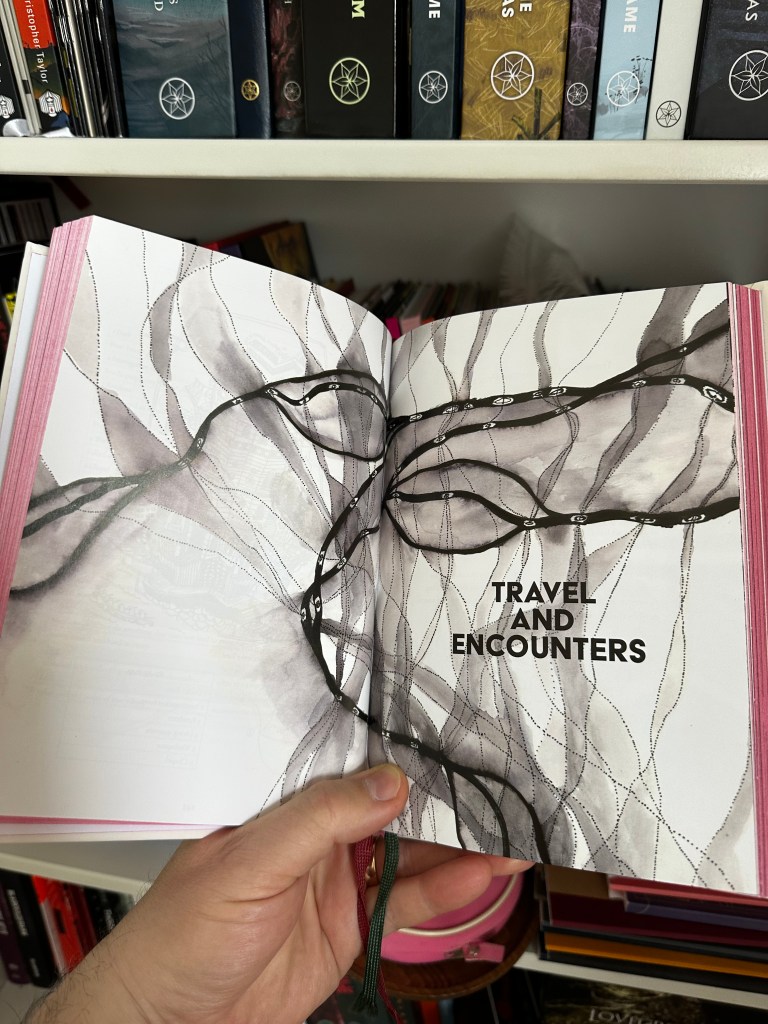
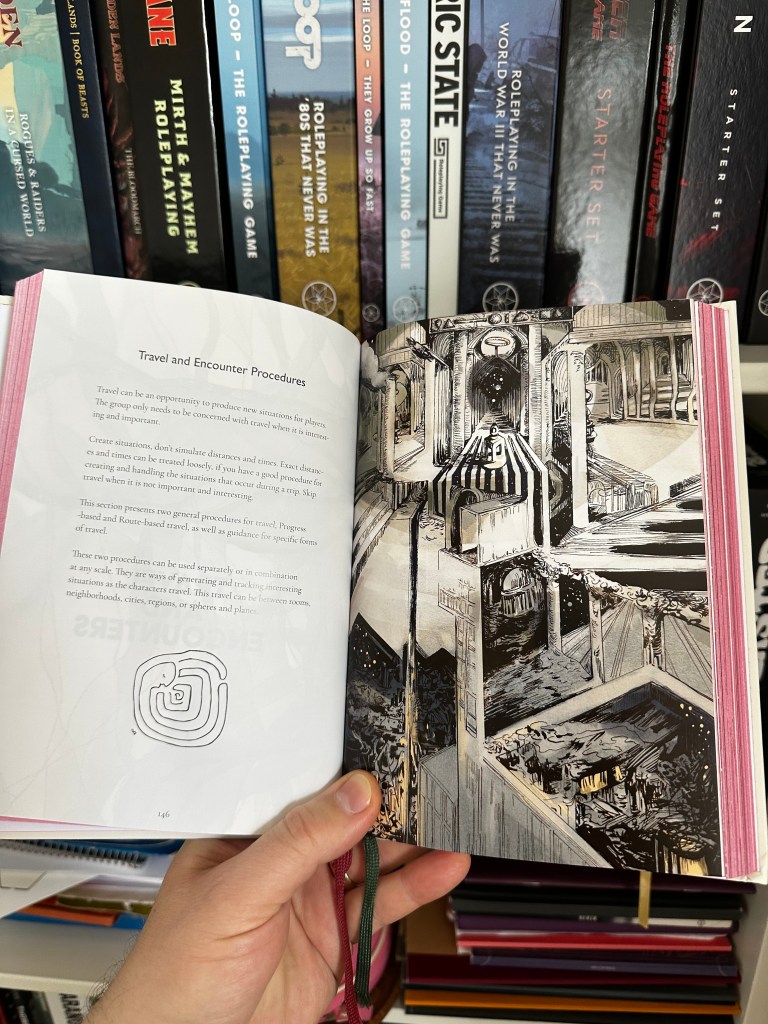
So, Huffa’s advice when it comes to travel is that, unless it is going to be interesting or important, skip it. I can get behind this approach. Recently, I have tended towards the idea of the journey being the game, but sometimes, when you know the next scene you need to play is across the city and its a relatively safe place, just skip to it, or montage it if there is something interesting to see along the way or if its a good opportunity for conversation between characters.

If and when you want to play the travel, though, Between the Skies presents you with two options, progress-based travel and route-based travel.

Route-based travel

Using this method, you use a map, just a basic one that includes routes and locations along them. You roll once on the Encounter die between locations and resolve that before arriving at the next place. Simple. The book includes several ways to generate route maps and destinations but I won’t concern myself with that here.

Your route map should have options, different ways of getting from A to B with more locations in between your starting point and the final destination depending on how long you want the journey to last.

This has the feeling of the caravan travel methods used in Ultraviolet Grasslands.

Progress-based travel

This gives me the impression of beating the resistance of a delve in Heart. Before the journey starts, determine the journey length. There is a helpful table that indicates the amount of Progress points required to reach the destination depending on how long the journey is. You record progress through the resolution of Encounter Die rolls.

The Encounter die works as follows:

  1. Encounter
  2. Something Approaches
  3. Environmental hazard
  4. Complication
  5. Hint as to what is nearby
  6. Progress/breakthrough/boon

So you only get progress points on a 6.
What I did

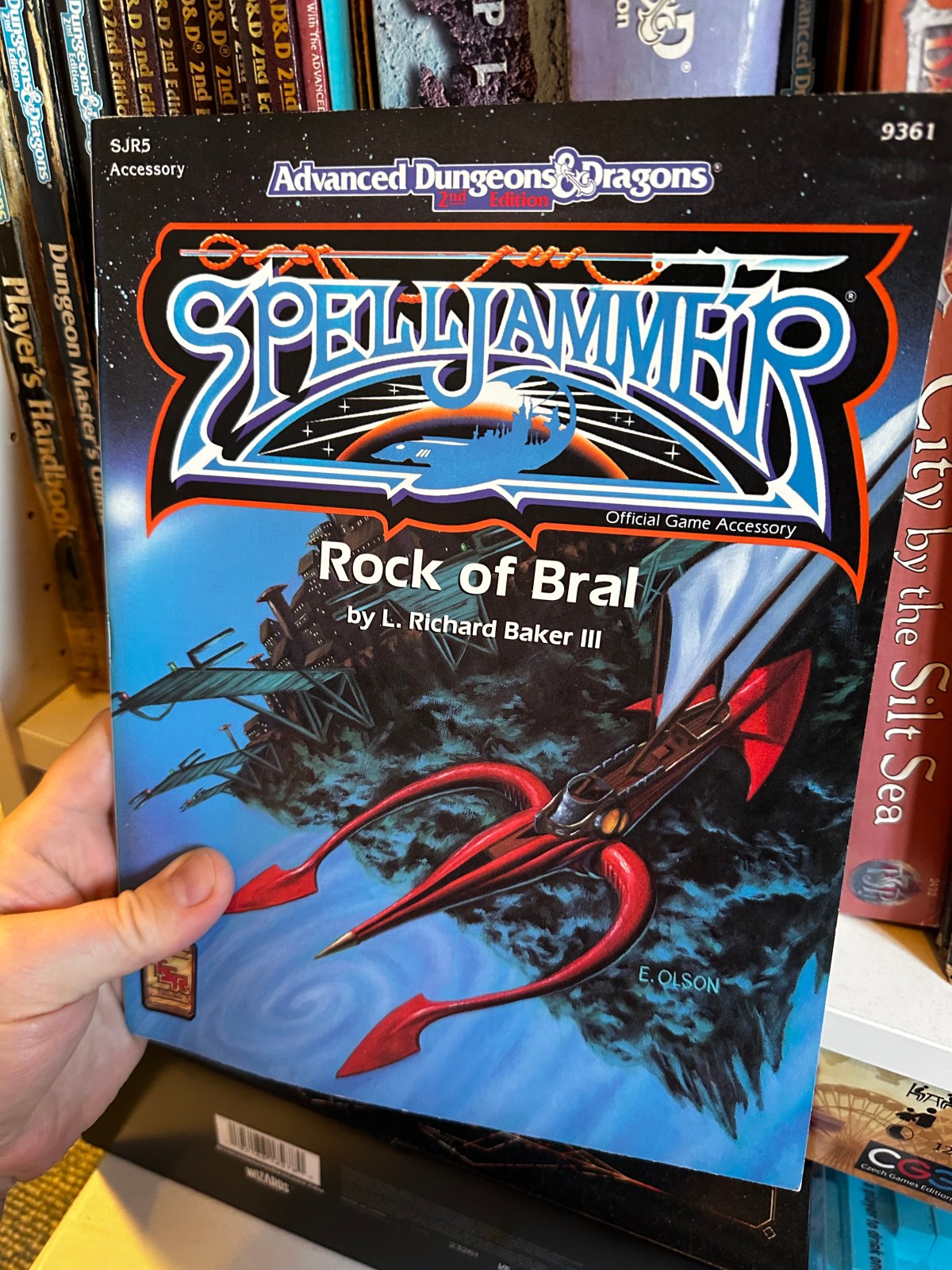
As with everything in Between the Skies, you can take it or leave it. I have used a combination of the two methods, where I decided that a spelljammer ship journey from the Rock of Bral to the First Home asteroid would take three days and I would have them roll on an encounter table once per day. So this is the table I used:

Wildspace encounter table d6

1-2 No encounter
3 Environmental/Ship Hazard
4 Ship Problem
5-6 Encounter

When you only have three days and so, three possible rolls on the table, I felt it was better to increase the chances of actual encounters/problems/hazards occurring. If it was a more exploratory journey, I would use the progress-based method as described in the book.

Now, using the tables in this book, of which there are many, you should be able to create a fascinating encounter on the fly, but, if you can, I think its nice to prepare a few beforehand, at least one of each kind. So let’s do that here.

I thought it would be a good idea to roll up some options on the spark tables in the book and add them to a d4 table for each encounter type (environmental/ship hazard, ship problem and ship travel encounter.)

Environmental/Ship Hazard

We’ll start with the hazards. For each hazard you want to prepare, you roll 1d6 to determine the hazard type and then d66 to generate a hazard keyword on the Environmental Hazards during ship travel table in Between the Skies.

I shared this table in the last post so lets use the results I rolled up on that.

3 Ship Hazards

Roll 1d4

  1. Hazard 1 – Storm, Flood
  2. Hazard 2 – Disorientation, Sphere
  3. Hazard 3 – Obstruction, Cold
  4. Hazard 4 – Trap, Haunting

I then go ahead and prepare a few details of the hazards. Here’s the first one as an example.

Hazard 1

A solar storm rolls in from the direction of the sun.

  • The gusts of solar winds batter the ship
  • The deck is flooded in light and other solar radiation
  • All those on deck risk blindness
  • There is also a chance of taking radiant damage
    • All on deck must make a Dexterity save, DC 15 to avoid blindness
    • If they are afflicted with blindness it lasts 1d4-1 days. If you roll a 1, Roll 2d12-1 for the number of hours it lasts
    • Even if they saved against blindness they must make a Constitution save, DC 15, against radiant damage. If they fail they take 4d6 radiant damage. If they succeed they take none.
    • This goes for the ship too, if the damage roll beats the damage threshold

You can see that I took the hazard type fairly literally but moved it into a wildspace context. A solar storm seemed obvious but also pretty cool. The keyword, “flood,” took me a little while to work out but I thought flooding the deck with light seemed both like a cool, spacey event and something that could present a real problem for the PCs.

Obviously, you can prepare the details for each entry in the table. They don’t have to involve a lot of work but putting a little extra preparation in at this stage can remove the need for it at the table.

Ship Problem

Similar to the hazards, you simply roll up a problem type and a problem keyword on the Ship Problems tables in Between the Skies. I did this four times and created the d4 table below.

4 Ship Problems

Roll 1d4

  1. Problem 1 – Armament, Separation
  2. Problem 2 – Quarters, Shrinkage
  3. Problem 3 – Cargo, Disappearance
  4. Problem 4 – Bridge (spelljammer helm), Error

Here’s the detail on one of these entries:

Problem 2

One of the crew has stowed something large and awkward in the crew quarters. It is limiting the amount of space available to sling hammocks and the rest of the NPC crew is unhappy about it.
This crew member refuses to be parted from their huge steamer chest as it contains something of extreme personal significance.
The PCs will need to resolve the interpersonal issue.

You can see that the details here are left deliberately vague. You Ould ask the players to decide which member of the crew is the problem, what’s in the chest that’s so important and, most importantly, how the resolve the issue.

Encounters

And finally we have encounters.
There are a lot of different encounter tables in the book. You can choose the one that best describes the surroundings of the PCs at the time. There are two space encounter tables, one for known space and one for wildspace. They are d66 tables. Once you have done rolled on them, you can get some more inspiration by rolling on the encounter keyword, detail and related entities tables.
Once you have rolled on the Encounter distance and awareness tables in Between the Skies to determine how far away the encounter is and how much attention they are paying to the PCs you can roll on the d4 table below.

You’ll note that the results on the table below are not all similar. For instance, encounter 2 doesn’t have a related entity. In general, such entities, as generated by the tables in Between the Skies, are sentient NPCs so I didn’t think it necessary for the parasite I rolled up. But mostly each of them includes an encounter keyword, a related entity, and two encounter details.

5-6 Encounters
  1. Isolationists – Confusion, Related Entity – Unknown NPC, Glittering, Prayers
  2. Ship Parasite – Loss, Scales, Experiments
  3. Ruins, Ancient – Mourning, Related Entity – Petty God, Knots, Miscommunications
  4. Stowaway – Battle, Related Entity – Creature, Eggs, Blindspots
Stowaway

Size, substance and form table: Very small biota, piecemeal.
Weakness: True name
Needs: Brains
Characteristics and details: Pacifist, stalks
Behaviour: Social: Family: 5 appearing
Demeanor and current behaviour: Protective, healing
Attacks: Blast – teleporting

For the final example, I’m using the creature generation tables in the Entities chapter of Between the Skies. You can see all the details and keywords that I rolled up above.

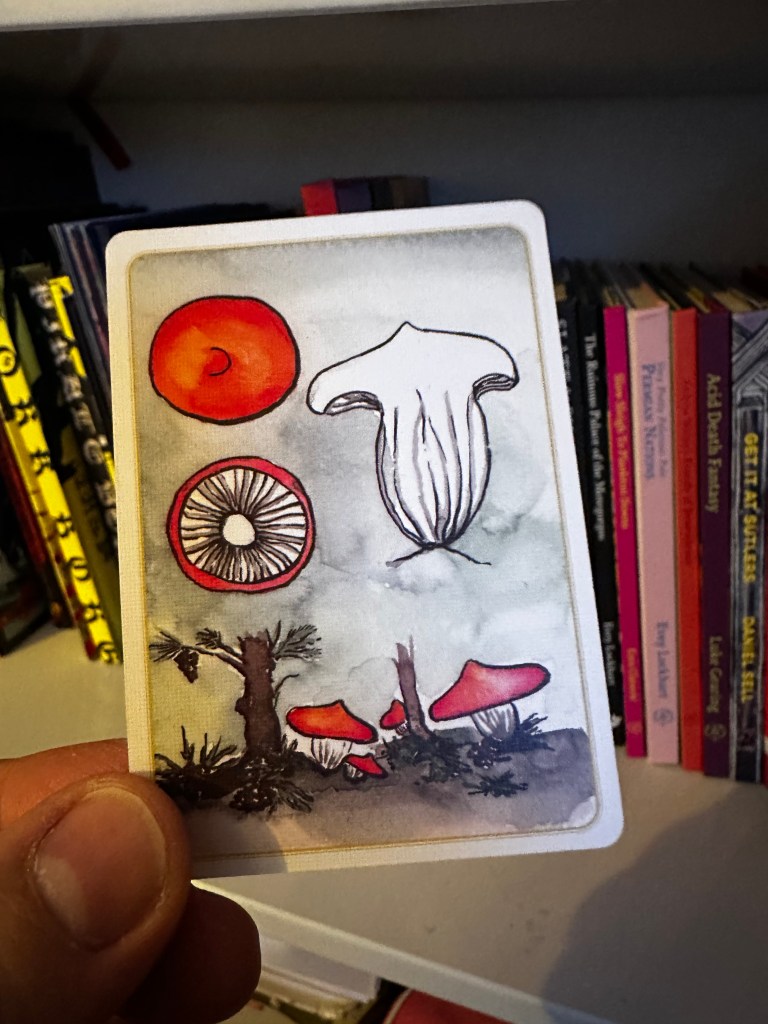
Along with the keywords, battle, eggs and blindspots, that came from the original encounter detail rolls, these will make for a fascinating encounter with some sort of very small fungal entity that has escaped a battle to find refuge aboard the PCs’ ship. The mushroom creature has a desperate need for brains to help heal its young but will not take them by force. Perhaps they only consume the brains of dead beings. Perhaps they have a blindspot that means they cannot sense constructs. And maybe, also, they have crawled into the ship’s stores to try to feed on the eggs, mistaking them for heads containing brains. I like the idea of them lashing out with a teleporting blast to deposit attackers some way off the deck of the ship, leaving them to perish in wildspace. If the PCs can figure out the creatures’ true names, they’ll be able to get them off the ship, but how?

Conclusion

I think you can see the fun you can have preparing encounters and encounter tables using Between the Skies. Once again, dear reader, I can only urge you to go and purchase it. It’s so useful and you won’t regret it!
Between the Ultraviolet Skies

Armadilloid Encounter

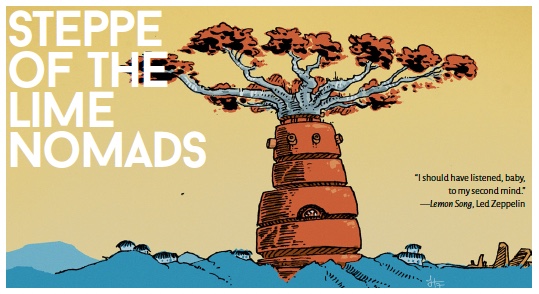
At the end of the last post I wrote about my current Ultraviolet Grasslands campaign, I noted that the caravaners were on the cusp of an encounter with some Armadilloids. The section of the book describing the Steppe of the Lime Nomads has a list of random encounters just like all the other sections do. And, just like the other ones, the detail you get about an encounter is minimal, to say the very least. You might get a level for the creatures or NPCs encountered, and maybe a word or two of description. This leaves quite a lot in the hands of the GM and, potentially, the other players at the table. Perhaps the characteristics of the encountered entity would emerge organically in play. Maybe the GM will have prepared specifics for each potential encounter, with regards to physical descriptions, motivations, weaknesses and strengths for instance. In the case of this encounter. I knew I did not want it to be an automatically violent one. I wanted the Armadilloids to be sentient but different enough as to be inscrutable. I could probably have just written a description, but I have Between the Skies, so why should I?

I took to the Entities chapter of the book and started rolling. I started with a roll on the Size, substance and form table. I rolled a 7 for size. That gave me Very large (giant-size.) I liked this. It immediately brought to mind the Armadillo super villain first encountered way back in Marvel Secret Wars II some time in the 80s. So I had a picture in my mind.

Next, I rolled a 6 on the Substance table, meaning they were Animal. That corresponded with my general idea so far, which was cool. On the Form table, I got a 13 on the d66 roll. That made them Bipedal (which is a word, that, when you say it out loud, sounds weird, we discovered.) It was still matching the picture I had in my head at this stage, except for the fact that these bipeds also had wings. For my purposes I thought it best that they be stubby vestigial wings. It’s the Grasslands, it’s not safe to fly there.

This next bit was so good. On the Weaknesses and Needs tables, I started to see the situation emerge. I rolled a 34 on the Weakness table, which meant they were Confined. Now in the previous session the players had rolled on the encounter tables in UVG and we had established already that there were ten or so of them and they were merely silhouettes on the horizon. They could see the Armadilloids so they were not obscured by any sort of physical trap. But a pretty cool phenomenon in UVG is “stuck-force.” These are invisible barriers and shapes and containers of nothing but force. They litter mainly the skies of the UVG, left over from a time long gone, when fantascience and magic dominated and their practitioners left these eternal artefacts dotted all over, making flying an incredibly dangerous prospect (as I hinted at above.) So, I came up with the situation where the Armadilloids had been trapped in a sphere of this stuck-force and had been unable to free themselves. The next table was Needs. I rolled a 62 on that, which gave me Directions. But I didn’t like this one so I opted for 26 instead, Escape. Perfect.

Next was Characteristics and details. These tables round out the looks and important idiosynchacies of these creatures. First I rolled a 21 on the Notable characteristics table. You know those big ol’ Armadilloids are rolling around like Sonic (I know Sonic is a hedgehog, ok? Just roll with it.) On the detail table, I got a 34, Tatooed. Adding a little more to this, we see that they are tattooed all over with the pictographic stories of their lives. I love this detail.

Next come a pair of Behaviour tables. I rolled on the Social behaviour table, which indicates their numbers, even though I already knew how many there were from our roll on the UVG tables. Why? Well, it also suggests the type of groups they habitually congregate in: Couple, Family, Herd, etc. I rolled a 6 and got Pack. This fit perfectly as well. I actually skipped the behaviour and current demeanour tables because I already had a good idea that they would be eager to be freed, some of them going stir crazy, rolling around inside the sphere, some simply sitting in the grass, and one of them standing with his hands raised against the stuck-force sphere trying to will his way out.

This next one was fun: Attacks! I rolled a 6 on the Mechanism of attack table, making it a Blast. The Attack keyword I rolled up was 33, Draining. So, from these words, I decided they would have a Charisma Draining Psychic Blast power. It never came up in play, thankfully. Why? Because the PCs figured out how to free them and then were invited back to their mushroom growing burros where they were rewarded with three sacks of Regular Mushrooms.

They also spent the night there around the Armadilloids fire, despite the fact the big orange guys could only speak in some brand of “meep meep” language. They all consumed copious amounts of magic mushrooms and got high as fuck using the wonderful tables in the appendix of Fungi of the Far Realms.

Since I rarely get much time to prep sessions these days, this method was really valuable. It allowed me to do what I needed to do on the train on the way to work, using the pdf of Between the Skies, an online dice roller and the word processor on my phone. I have been using Between the Skies for some other games too in the last few months, most notably our Spelljammer campaign. It has made for enormously memorable and unique encounters in that case. I can’t recommend it highly enough. Go get it on itchio or on Exalted Funeral!

Final Plug: Shadows Return

I backed a project from Ian Hickey of Gravity Realms last year, The Price of Apocrypha. It was a really successful Kickstarter, especially for a small, indie, Irish creator, and it was fulfilled and delivered incredibly promptly.

Well, Ian has another great project in the works on Kickstarter right now, Shadows Return: House of the Wraith Queen. Its a mega dungeon style adventure for use with Ad&D 2nd Edition, D&D 5E and OSR games. It’s fully funded but there are only a couple of days left of the campaign and you could still help it reach some stretch goals! Go back it!

As a final note, I have recommended a lot of books and products recently and I like to think I always do here on the dice pool dot com. I do this purely because I believe in the books, the products, the creators, not for monetary or other rewards!

So Rewarding

Surprise!

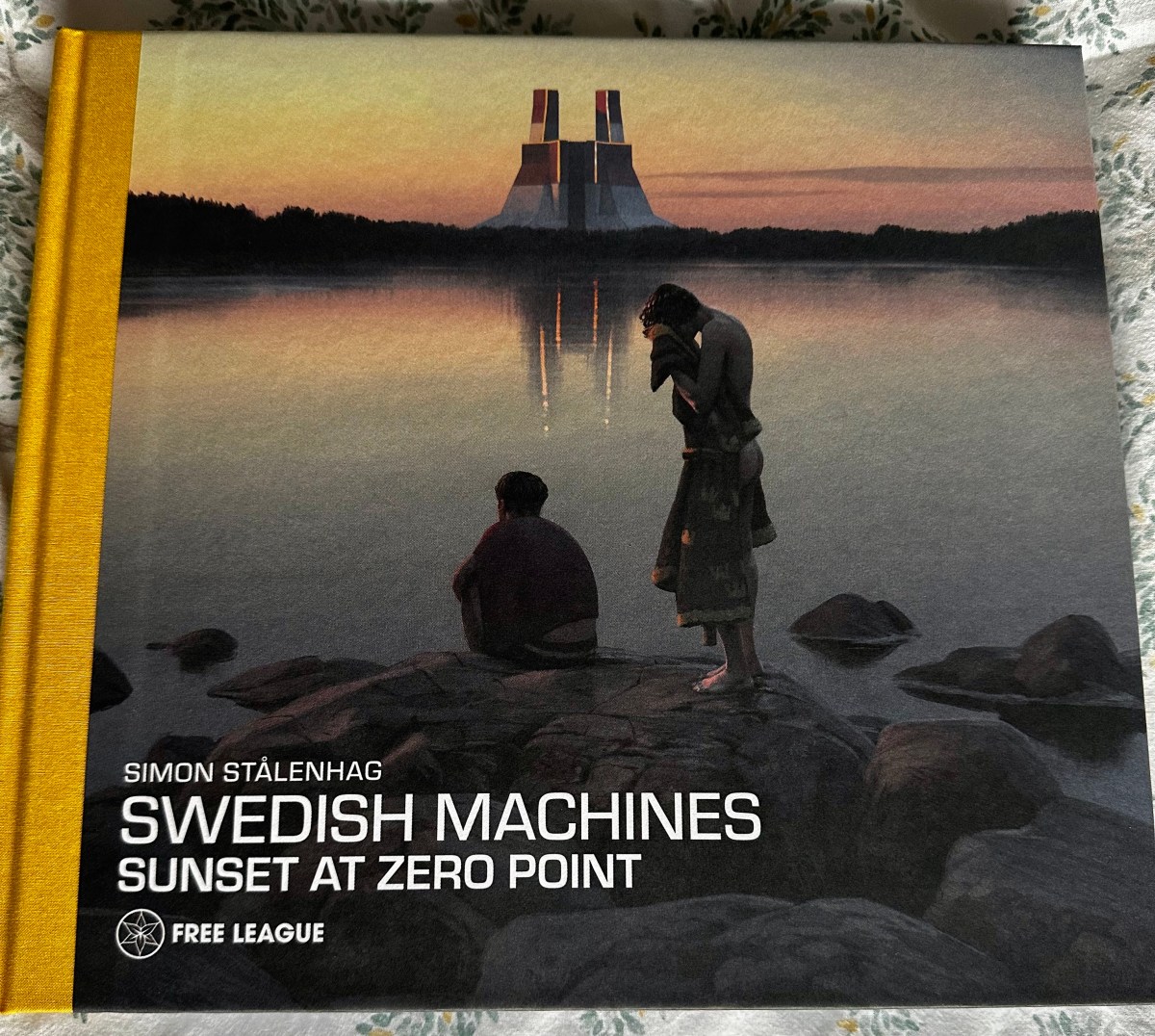
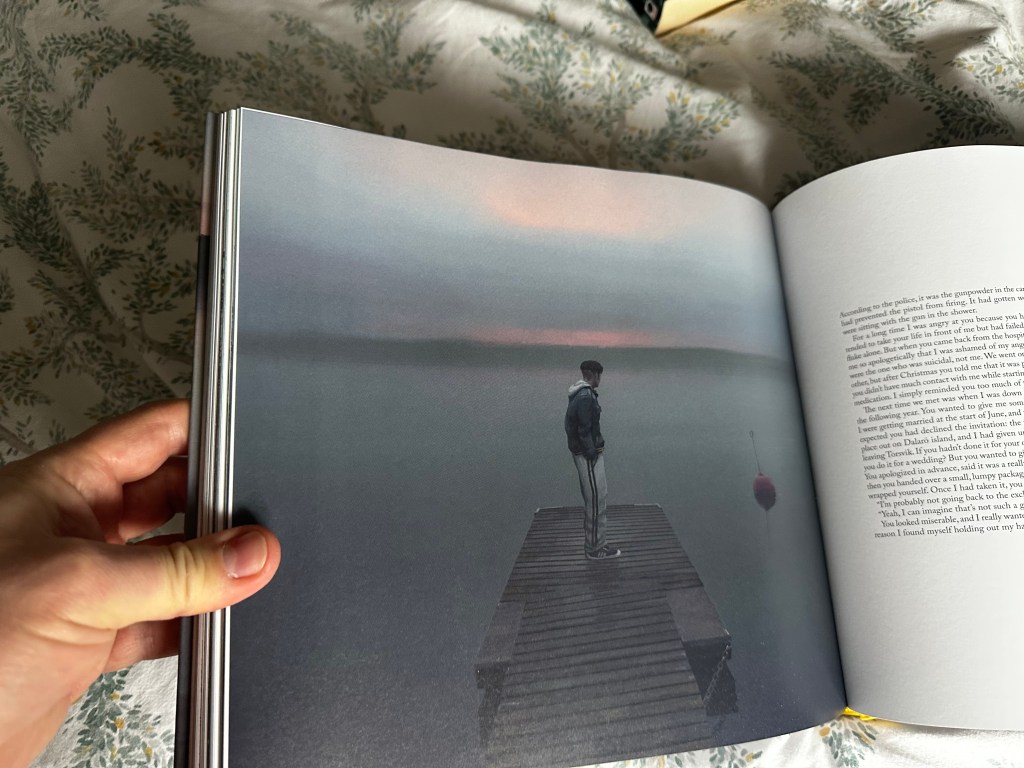
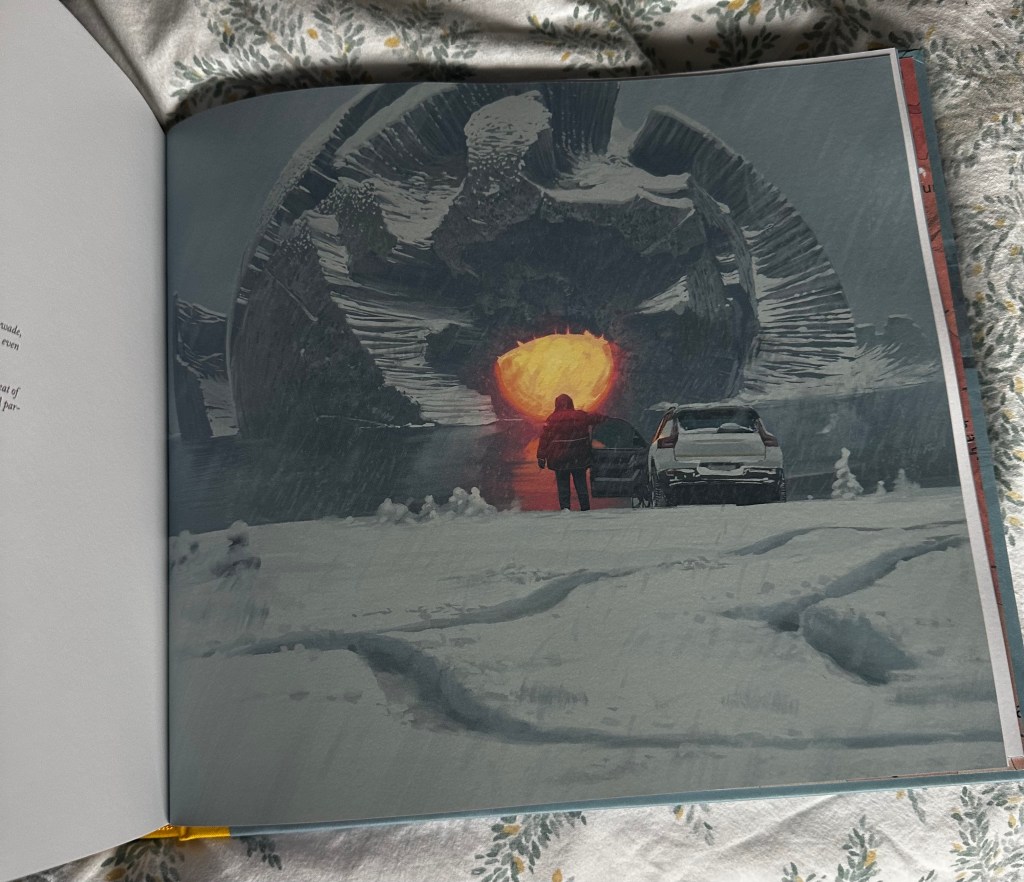
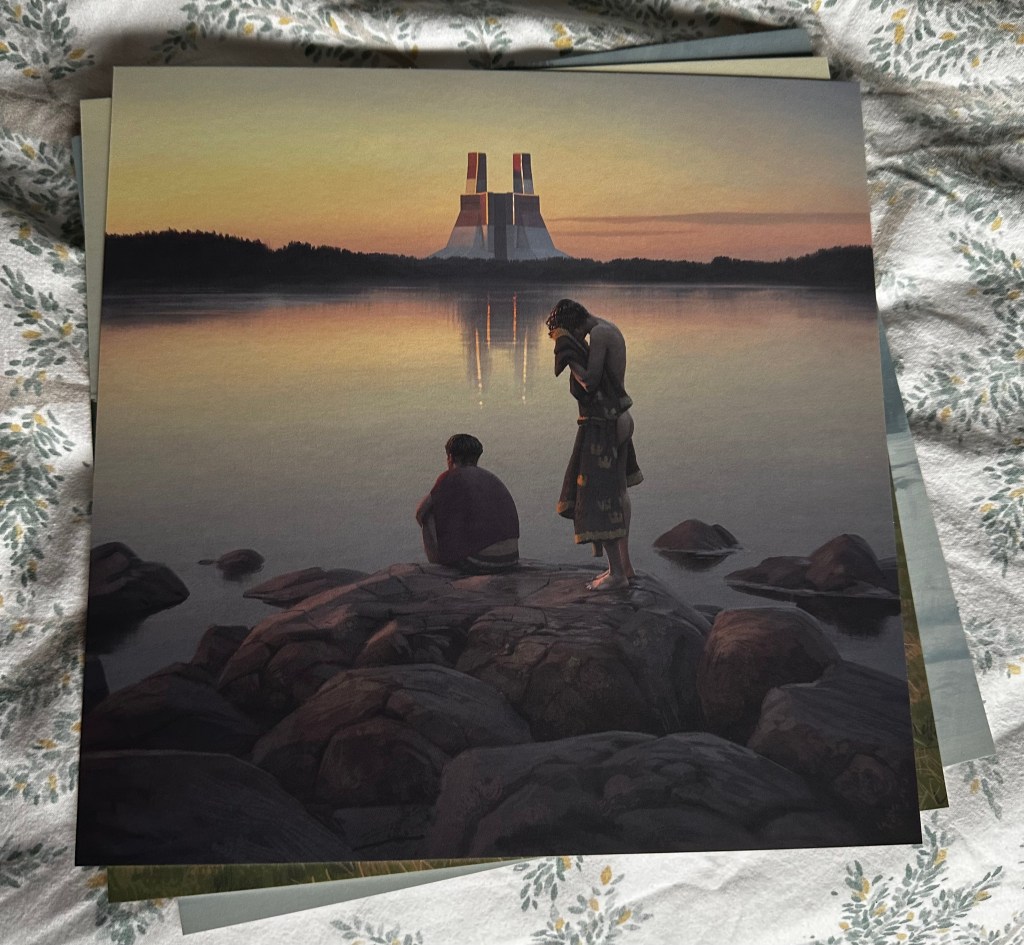
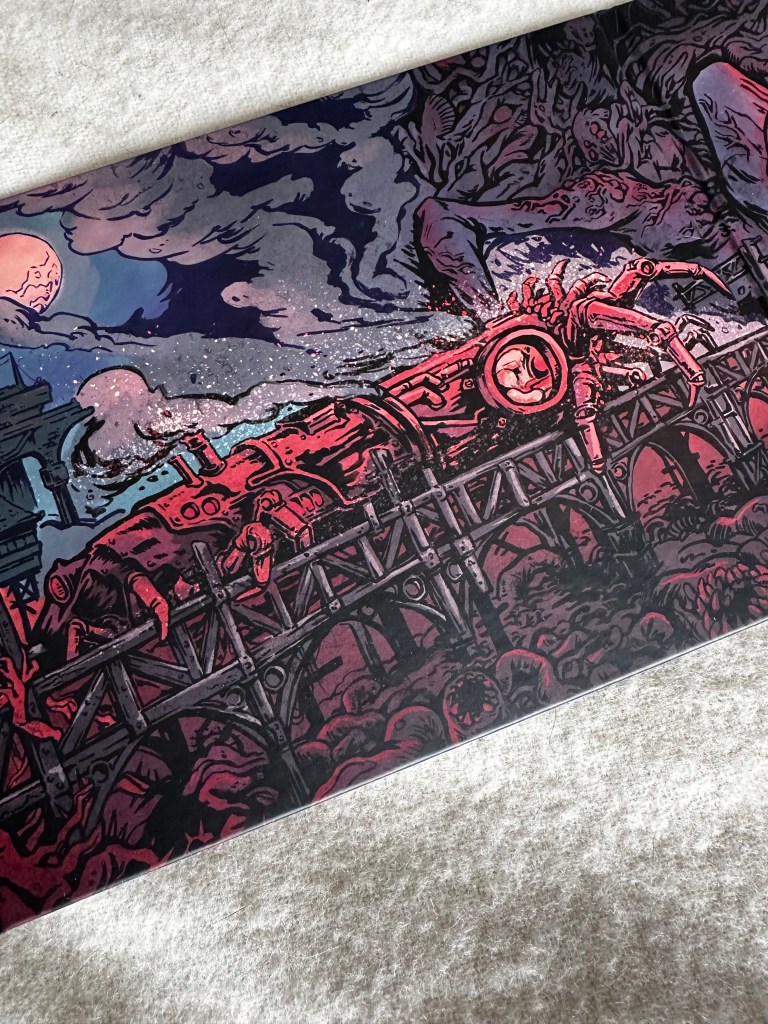
I came home from work on Friday to discover a wonderful surprise in my porch. I wrote about the Kickstarter campaign for Swedish Machines, Simon Stålenhag’s new art book way back in September of last year and ‘lo it has arrived! This was particularly pleasant because I didn’t realise they were shipping already (I have backed a lot of projects and, honestly, I can’t keep up with the updates for all of them, dear reader.)
Just feast your hungry little eyeballs on this:

Digital Surprise(s)!

Fifth Season RPG

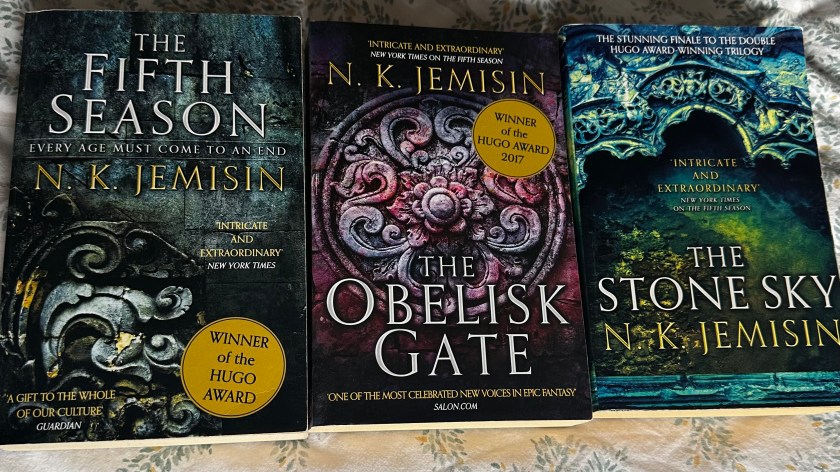
Another major surprise came yesterday when I checked my inbox and found a link to the PDF Preview of the Fifth Season Roleplaying Game. This one has been in development by Green Ronin for more than two years and has been hit with delay after delay so to finally have a version of it stored away in my overstuffed RPG documents folder was a pleasure unlooked for. It was literally the first project I ever backed on Backerkit so I forgot it was there entirely.

As many of you will be aware, I have an ongoing Dragon Age RPG campaign going right now (we recently picked up again for Act II of the campaign, using a published adventure, which will get a post of its own when we are done.) The Fifth Season RPG uses essentially the same rules engine, Green Ronin’s own AGE (Adventure Game Engine) system originally developed for their generic Fantasy AGE game.

The game is, of course, based on the incredibly successful series of novels by modern master of the SFF craft, NK Jemisin. The Broken Earth trilogy tells the story of a dark fantasy world where a feared and reviled underclass of people with the power to manipulate the earth itself are employed/enslaved in the interests of everyone else. The earth itself, on the continent known as the Stillness, is a constant danger to its populace and the orogenes use their powers to calm it and make it safe. But every so often, the earth rebels so strongly against its inhabitants that it becomes uncontrollable, unleashing terrifying earthquakes, erupting volcanoes and tsunamis of dreadful power, seemingly in an effort to end all life. This is known as a Season, the Fifth Season of the title. The story follows the trials of a small number of these orogenes and the people closest to them as they attempt to survive a Season and discover some hidden truths of this harsh world.

The books have won a lot of awards and deservedly so. They are some of my favourite SFF books of the last ten years. If you haven’t read, them, dear reader, do yourself a favour. You can easily find them in your local secondhand bookshop these days but the audio-books are also a pleasure to listen to.

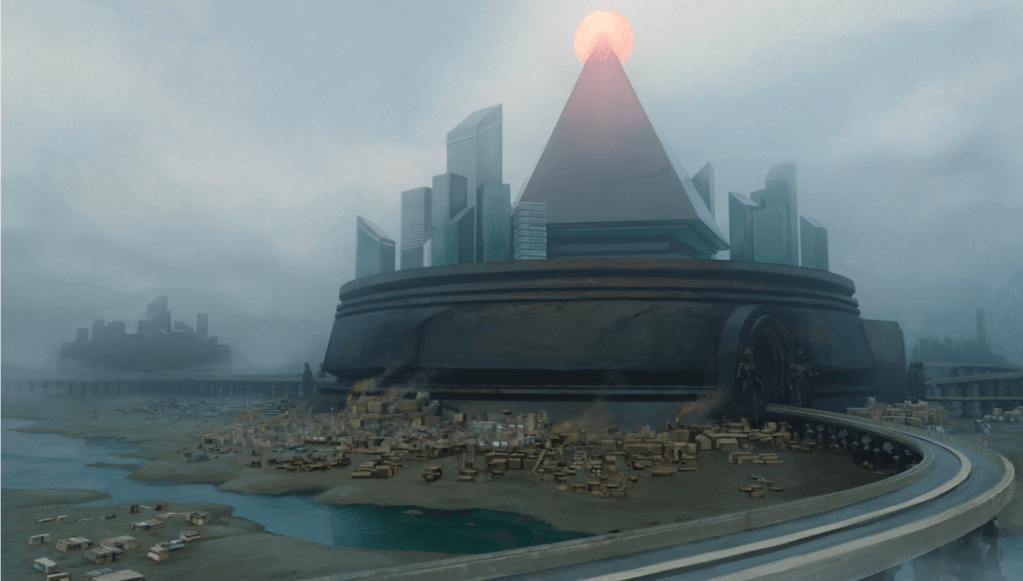
Anyway, when the RPG was announced I didn’t hesitate to back it. But, despite Green Ronin’s long experience of producing licensed games like Dragon Age, and the Expanse (I have also backed the new version of this game, The Transport Union Edition, which I’m eagerly awaiting) this one seems to have suffered a few setbacks and delays. They have tried their best to alleviate the issues by keeping in touch with the backers and offering a 10% discount on their webstore, and I think a lot of the problems were out of their hands, to be fair, so I am giving them the benefit of the doubt. Also, I’m loving what I have seen of the preview PDF so far. The artwork is gorgeous and it makes liberal use of the source material. As its a preview, I won’t share much, but here are a few shots of the illustrations:

The Vastlands Guidebook and Our Golden Age

I’ve been writing a lot about Ultraviolet Grasslands recently. We’ve just completed the third session of our campaign and we’re all loving it so far. Rarely have I run a game that has so sparked the imaginations of the players, both at the table and in between sessions. My wife, who plays forager-surgeon and Lime Nomad, Stebra Osta, explained to me today so much about the character’s people, how their nomadic encampments are set up, the importance of water in their culture, their dress and food, the way they braid their llamas’ hair… The breadth of the unknown in UVG is truly its greatest strength. Its staunchly anti-canon stance has given the players explicit permission to make the world the way they want it to be. So, do we really need more source-books for it? If they are written the way UVG was written? Absolutely. I mean, the random spark tables, the loosely described peoples, the maps with gaps, the mysterious origins of everything: they all come together to make a wonderful frame for you to fill up with your fellow players. I have no reason to believe Mr Rejec wouldn’t produce more work with the same structure and content. Well, this week, I am getting to see the beta of one of the two books in this crowd-funder and a whole section of the other.

The Vastlands Guidebook is the full set of Synthetic Dream Machine rules to play a campaign of UVG. It is very similar to the UVG Player Guide Book that I mentioned in my UVG Character Creation post but with far more detail and some very tasty art. It has full character creation rules, including a whole bunch of new Paths, eg. Barbarian, Purplelander, Tourist and Skeleton. There are mechanics for everything you could want to do in your game. It’s got powers, random NPC creation tables, corruptions, more vehicles and mounts etc. etc. I’m already thinking of ways I can get some of this new stuff to our table.

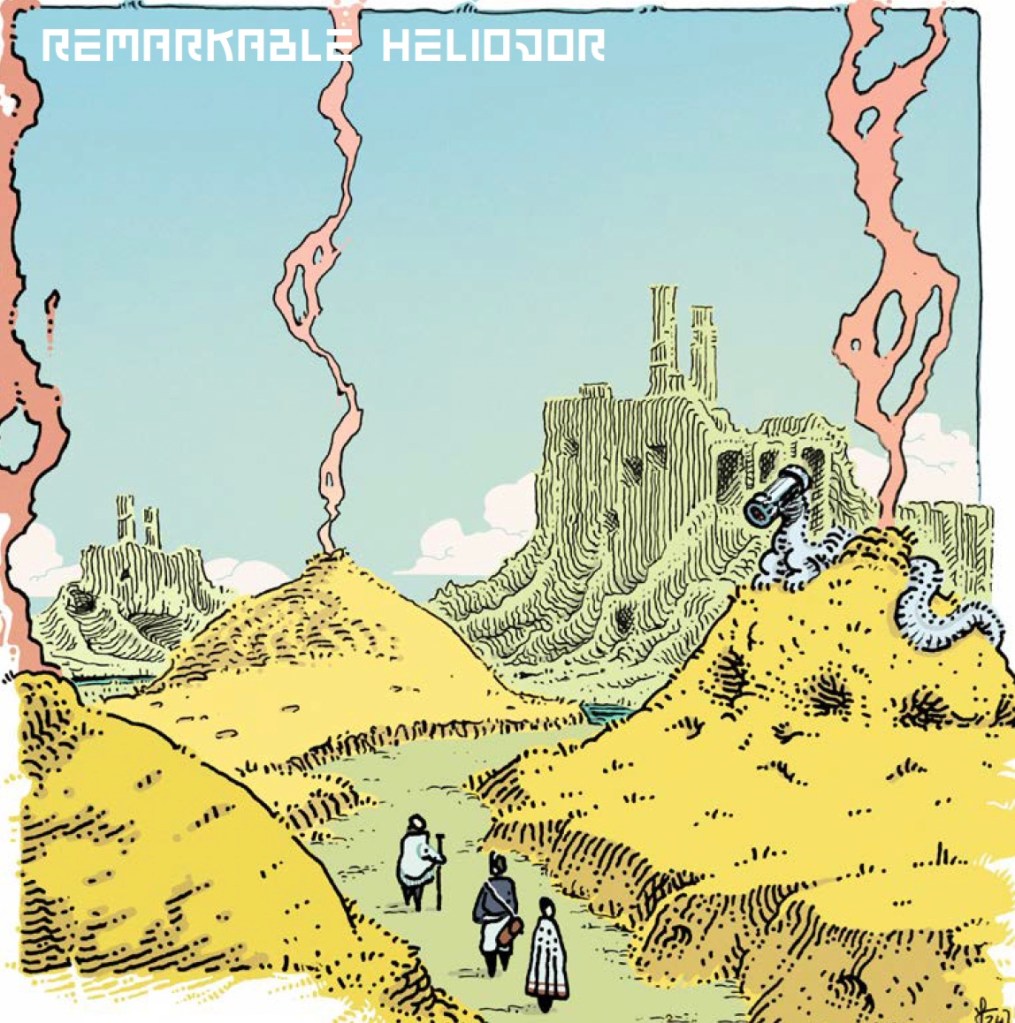
Our Golden Age is a setting book for the Circle Sea area of the Vastlands, the part of the world your average caravan in UVG is leaving behind at the start of their adventure. Luka Rejec released a teaser for the Yellow Land section of the book and it looks just as sumptuous and bonkers as you would expect from the creator of the Ultraviolet Grasslands. After a brief overview of the geography, climate, government, economy etc. you get some very fun tables. Events tables, travel tables, very unusual merchant tables, fashion tables. Then we have some interesting factions with eminently usable NPC members, a page about the Géants, enormous and unstoppable biomechanical soil farmers left over from another era, and into a section about the cities and places of interest in the region. These include Safranj, the Saffron City, with its key control of the drug/spice, saffron and vibrant opera scene. The Refining Plain: “Autorefineries of livingstone linked by arteries of basalt and tentacles of shipmetal, sinews of standardstone and great mushroom vent-mounds stud the plain below the voidtouching mountain Vulkana.”

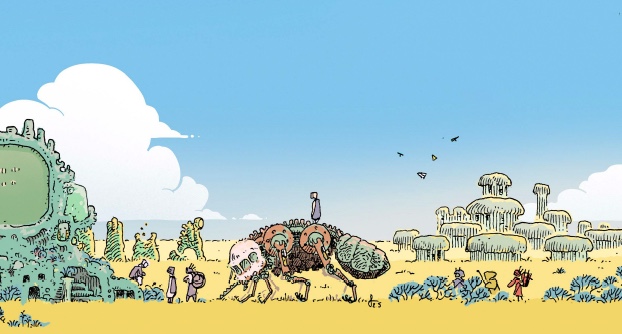
The Yellow Land very much gives me Nausicäa vibes. It has an environmental disaster theme and even has Orms (like the Ohmu in Miyazaki’s masterpiece) dangerous animals that tear up the land.

A warning for the unwary traveler:

The Automatic Tourist Entity (A.T.E.) has compiled a list of must-see places in the Yellow Land for centuries. Recently, many warn it keeps suggesting destinations with a terrifying preponderance of surprisingly cannibalistic local practices.

I cannot wait to see the finished product and get it in my grubby little mitts.

Homebrew Heart Landmarks 4

Railsea

China Miéville. Go read some of his books. Go on. I’ll wait. Need more? OK. I recommend the full Bas Lag trilogy. In my opinion each book in the series is better than the one before. Anyway, those should only take a month or two to get through. Once you’re done with those, immediately pick up “The City and the City.” Just trust me. You won’t regret it. Once you have finished getting your brain-digits around that, please relax your cerebellum and get ready for “Embassytown.” Read all of them. Please.

I still have a few of his books to catch up on. I’m a little late to the party. I picked up “Perdido Street Station” in a second hand book shop about 15 years ago and couldn’t quite get past the idea of a woman with a beetle for a head (not a beetle-head, that’s different. Her head is a beetle.) I gave it another go a few years ago and was immediately hooked. The so-very-alive city of New Crobuzon, its fascinating and beautifully realised inhabitants, the wonderful meshing of the steam-punk, the fantastical and the horrific all worked together to make me simply want more and more. Luckily, “Perdido Street Station” is about 1000 pages long and has two sequels so they kept me going for a while.

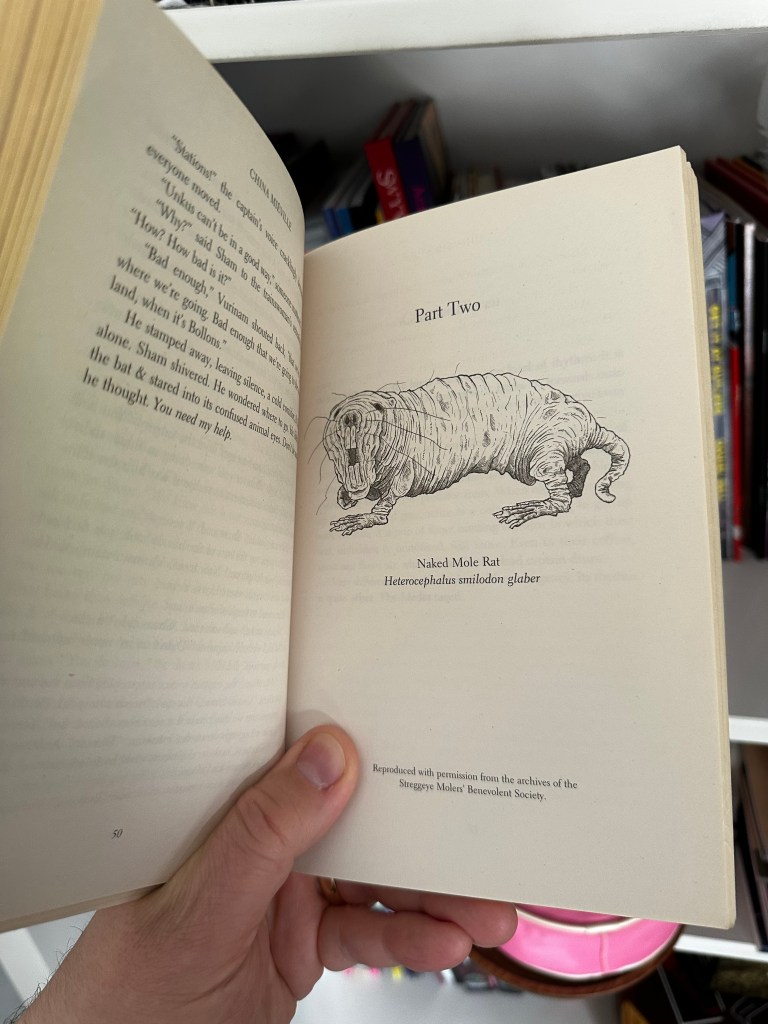
I’m currently reading “Railsea.” This is not a Bas Lag book, but it evokes a lot of the same feelings in me as his earlier work. It is set in another world, one where there is a literal sea of rails between the continents and islands, where trains are captained by Ahab-like characters who pursue Moldywarpes (giant moles) like sea-captains pursued whales in centuries past. The ground between the tangle of rails is not literal poison, oh no. Our main character, Sham, tells us that. But if you touch it, you’re courting death, or dancing with danger at least. The subterranean lifeforms, bugs, giant mammals, that sort of thing, they’ll come and drag you down or tear a leg off if you’re not careful.

I haven’t gotten very far into the book yet, but I am savouring it. I’m exclusively reading it on my train ride to and from work so it’s hard to get up a good head of steam as it were.

Anyway, it felt rather “Hearty” to me. You know, what I mean, reader? Got the old Heart Landmark juices flowing a bit. There’s so much about magical, inter-dimensional underground railways in Heart: the City Beneath. It felt appropriate to come up with a Heart Landmark inspired specifically by “Railsea.”

The Vermissian Graveyard

Name: The Vermissian Graveyard
Domains: Technology, Cursed
Tier: 3
Default Stress: d8
Haunts: The Engine (d8 Echo)

Description:
Beneath a roiling crimson sky of steam clouds, a vast and silent plain of dry red earth, dotted here and there with scrubby trees and hardy grasses, whorled and tangled by an impossible rat’s nest of railway lines. At their final rest atop these lines, trains. So many rusting, curving, snake-like carriages and engines. Freight cars, passenger cars, entertainment and dining cars, all lifeless, dark, slowly falling to pieces.
Maybe this is where the trains of your Vermissian went. It could be. Perhaps some of these vehicles once were meant for that cursed underground, but most are from some other Vermissian, some Vermissian that never had an “Incident.” Perhaps they came through Fractures, perhaps the Terminus directs all old hulks of rail-stock from across all realities to this place, this final resting place. Or maybe it’s the afterlife for these faithful old servants.

It’s certainly haunted enough to be a graveyard. Ghostly passengers walk the aisles of the cars seeking their seats, spectral engineers stand about in cabs, smoking cigarettes, conductors from beyond examine tickets to nowhere, on trains that will never move again.

The ghosts can’t do much to a living soul except maybe freak them out a bit. But don’t touch the ground. Do not touch that brick-red earth beneath the rails. Step down and you’ll understand why this place is devoid of all life. The slightest vibration will attract the stranded dead, grasping undead things, trapped here with their last trains, jealous of the life and wealth of the living, lying in wait below the earth. All they want is to strip you of your wealth. So, if your greatest wealth is your memories, they’ll take those, thank you very much. If your wealth lies, rather, in Queens and Stens from the City Above, they’ll leave you a pauper. If your most prized possession is your body or the blood in your veins, they’ll take that too. No matter what they take, they’ll try to take all of it, leaving nothing but a ghost behind, stuck on a train that’s never going to move again.

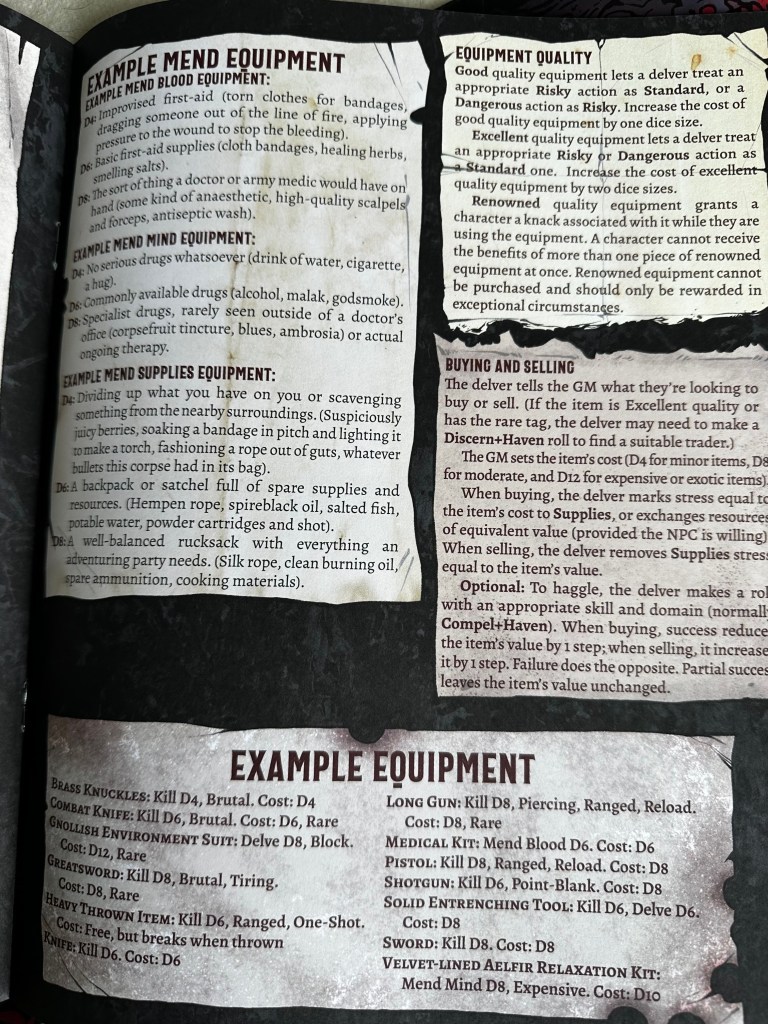
In what might be the centre of this mess of rolling stock, a single orange fire burns, fitfully and brightly, belching out spire-black smoke from the chimney of a single, shiny black engine. An old steam engine, kept polished to an unlikely shine houses the Engineer. They are a skeletal figure equipped with a spire-black shovel a set of neatly pressed denim overalls and a tall blue peaked cap. Fires burn in their eyes, emitting sparks occasionally, mirroring the hotly glowing fuel they keep the engine topped up with. When a stranger comes to the Engine, the Engineer hands them the shovel and gestures to the bunker full of spire-black and then to the fire. If they shovel a few loads, the Engineer will bow and point the way to the exit of the graveyard. They will leave feeling tired but fulfilled, as though having done a good days work. If they shovel in a suitable resource, the Engine will belch and shake and will bathe the worker in orange light, removing d8 Echo Stress from them as well. If they do not shovel, the Engineer will shrug, light a cigarette, and go back to shovelling himself.

Special Rules:
Without the help of the Engineer, this Landmark becomes a delve with Resistance 12. Potential encounters with Signal-box Cultists (see the Heart core book page 196) abound on this delve. Other possible events include falling through the floor of a rusted wreck, having to avoid toxic freight and slipping off the rails onto the ground where the Stranded Dead await.

The Stranded Dead inflict d8 stress to whatever resistance is most important to the PC. This could be defined by the PC themselves or you could choose the one they have the most Protection in.
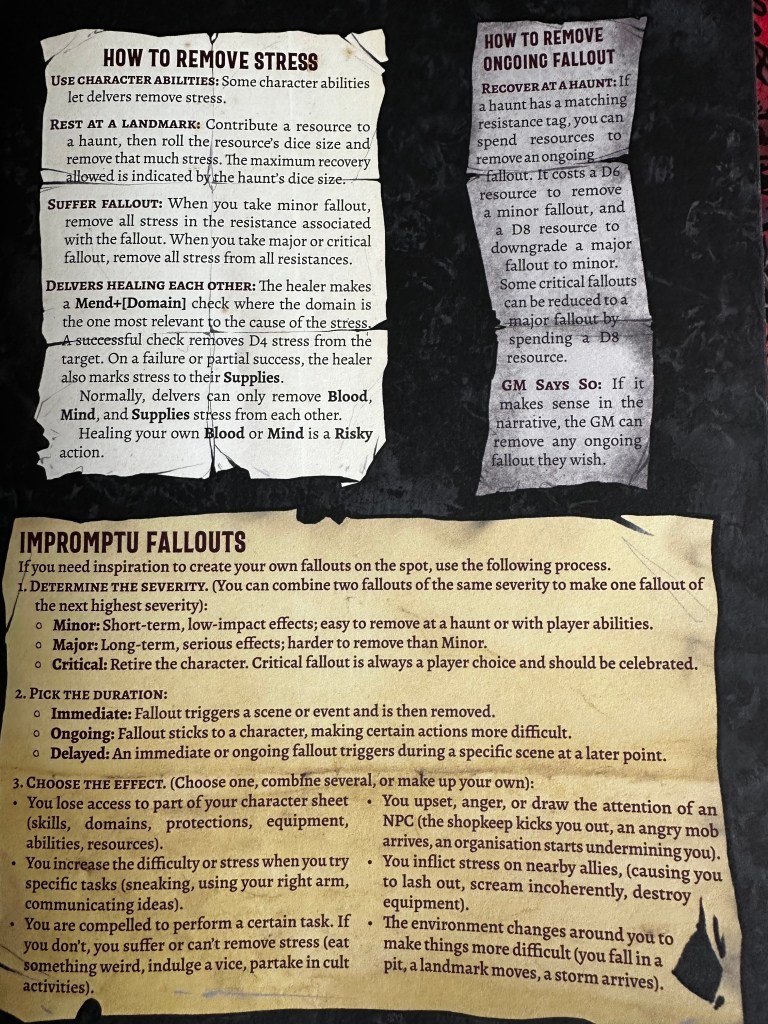
Fallout Slight Delay (Minor, Any) You touched the ground in the Vermissian Graveyard and drew the attention of the Stranded Dead. They took something from you. Now you’re just ever so slightly translucent and the ghosts on the trains are asking you to sit next to them. All actions taken to escape the Graveyard are Risky.
Fallout Major Disruption (Major, Any) You touched the ground in the Vermissian Graveyard and the Stranded Dead took so much from you. You’re hardly there anymore. You can understand the vapour talk of the ghosts on the trains. All actions taken to escape the Graveyard are Dangerous.
Fallout Ghost of the Graveyard (Major, Any) You touched the ground in the Vermissian Graveyard and the Stranded Dead took everything from you. You join the other ghosts and take your seat on the dead train.
Resources:
Train parts, d8 Technology
Train Ghost ectoplasm, d8 Cursed

Ways and Means: A Heart Sourcebook

To wrap things up, I thought I would let you know, dear reader, about the new Backerkit crowdfunding effort coming our way soon from the good people at Rowan Rook and Decard. It’s called Ways and Means and it looks like it’s going to be a great sourcebook for both players and GMs of Heart. It’s going to have new Classes and Callings as well as new Domains of the Heart and events to fill them with. You can sign up to support it here.

Fungi of the Grasslands

UVG, Yeah You Know Me

I mentioned recently that I had been reading Luka Rejec’s Ultraviolet Grasslands. I had, in fact, just been reading it for fun, but, about 50 pages in, I decided the best use for all its tables was in some sort of role-playing game. So, I got my trusty team together and started a campaign. We’ve had a session 0 and two sessions of play so far. It’s still early days. The caravan has not even managed to complete a full week of travel yet but we’re all enjoying the psychedelic vibes and the raw potential of the game and the setting.

I also wrote up character creation and caravan creation posts, which were not directly related to the campaign but were useful to me in getting to grips with some of the rules and the setting.

This post is about one element of the game that gets only a cursory mention in the book, and how I approached its use. That’s Caravan Quests.

Needy Naturalists

It might be a little ungenerous to suggest that the Caravan Quests section gets any less treatment than it deserved in the core UVG 2E book. It has a full page to itself, including illustration. Ten quests grace the page, everything from “Big Game Hunting” to “Ascending into the Sky Like the Shamans of Old.” And there are some great ideas there to spark events in your campaign. Since UVG is very much a play-to-find-out sort of game, very few things are explicitly labelled as quests. The encounter tables and the randomly discovered locations generally contain all the inspiration or trouble or opportunity the players or referee need to fill a session without picking up tasks from question-mark bedecked NPCs.

But I liked the idea of using one of them to further spur the PCs to do stuff on the road that wasn’t just trading and foraging. The one I settled on was 3. Glorious Naturalists. So, before their caravan ever set off, I had them encounter a band of scientists in L’ultim Gastrognôme, one of the most exclusive eateries in the Violet City. These scientists had been hanging around in the city for a while, looking for a group just like the PCs. They had been assigned a task by their Decapolitan university to discover a bunch of new plants, animals and minerals. They had a decent budget but, as academics, had little taste for roughing it in the trackless steppes and Vome-ridden wilderness of the Ultraviolet Grasslands. So obviously, our caravaners, Imssi, Stebra and Phaedred were the ideal choice to get out there and collect evidence of some undiscovered species! This coincided nicely with the drive of one PC. Stebra Osta, a forager and surgeon, is on the hunt for a special vegetable or fungus with incredible curative properties. She’s sure it’s out in the Grasslands somewhere so she wanted to take the scientists’ job as the perfect one to fund her own search. It also added quite a bit to their funds.

Were there more interesting or weirder quests in the list? Absolutely. Would it have been fun for them to have to 8. Witness the End of Time? Well, of course. But then, I wouldn’t have had such a good excuse to crack open a new prized possession.

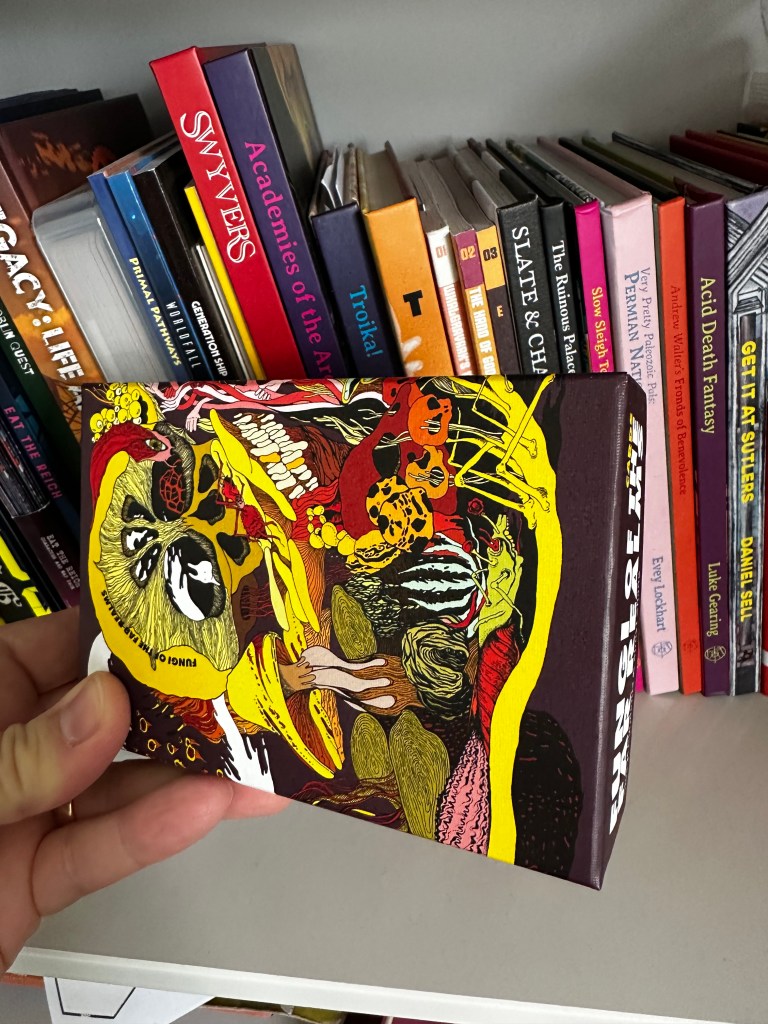
Fungi of the Far Realms

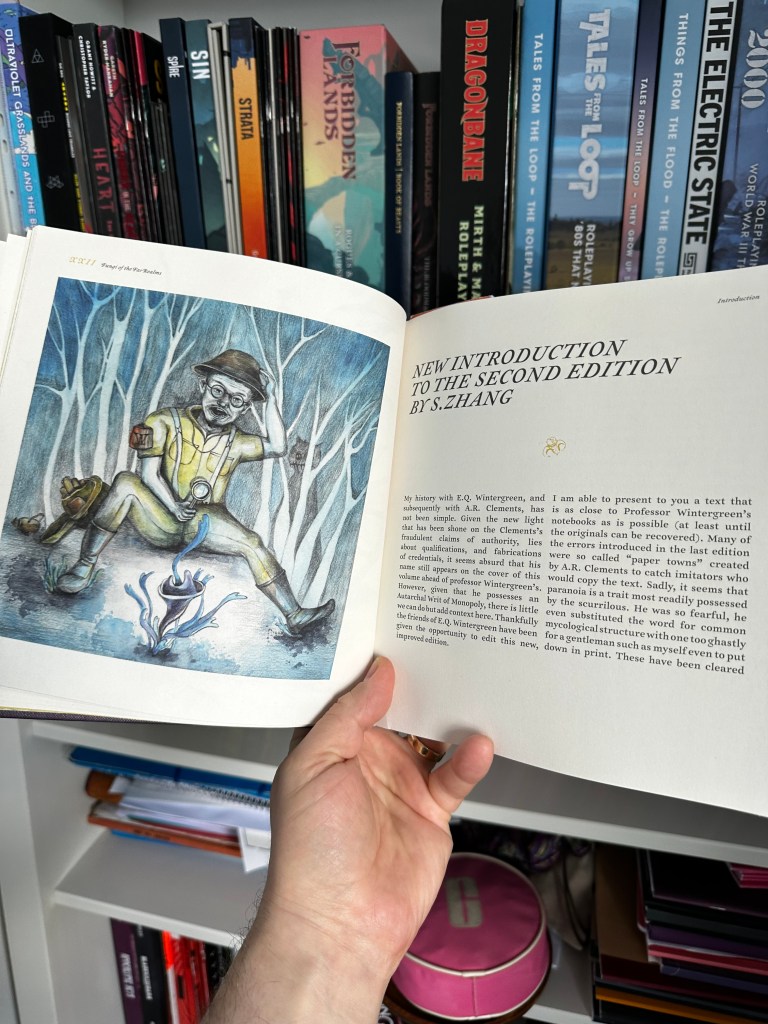
Just look at this book… Go on. Look at it. These illustrations by Shuyi Zhang are just breath-taking. The concepts of some of these funguses, written by Alex R Clements, are fun and bonkers. I remember thinking to myself, how am I ever going to use this in a game? before backing it. Idiotic question. I backed it because it is a work of art, not for its usefulness. But, I guess a thing can be both useful and beautiful.

The Caravan Quest in UVG never mentioned anything about fungi. I added that myself, just so I could get Fungi of the Far Realms and its attendant cards out at the table and have my players oooh and aaah at it. I was able to hand them their very first fungus card last weekend. They discovered a ka-zombie beneath The Last Chair Salon. It was feeding Crystal Puffballs to an imprisoned, limbless Vome-Mother. The Vome-Mother was hooked up by rubber tubing to a Fermentation Golem which turned her milk(?) into Yellow Beer, which the Salon’s unscrupulous proprietor was selling to her customers. Once they had dealt with that whole situation they discovered a nearby lush garden of tulip-like flowers, which was also dotted with dozens of the puffball fungi. I was able to hand over the relevant card to Stebra the Forager and let her know that a sack of these was worth quite bit to the right customer. What a wonderful alternative to the usual type of treasure!

There are a few valid ways to use this book at the table in many different games. I utilised the wonderful fold-out map that I received as a crowd-funding reward. I knew the type of environment I wanted the PCs to find the fungus in, so I used the grid system pictured above to locate a similar habitat. Unfortunately, there does not seem to be an index of fungus per grid-square but each entry in the book highlights the areas of the map that you might find them in. You could also just make a d666 roll and see which entry turns up for you! That’s fun, even if it doesn’t match your needs. The appendices also have tables for afflictions like hallucinogenic effects and fungal infections. If you don’t feel like freaking the PCs out or make them sick, every entry has practical world-building notes like flavour/mouthfeel and aroma. I loved these details in our recent session because it allowed the PCs to know that they had been consuming the fermented Vome-mother milk flavoured with the Crystal Puffball (Flavour/mouthfeel: rotten apples, Aroma: fresh rain.)

And there is another fungus-related adventure afoot already! Stebra, ever on the lookout for foraging opportunities, heard a rumour from a fellow Lime Nomad, that the Great Armadilloids of the Steppes were cultivating mushrooms. Then, as their caravan pushed on across those self-same Steppes they rolled a random encounter. Guess who? That’s right! Armadilloids!

Plugs

Time War

Linear time is a blasted curse! Apparently, these days, you can’t have a full time job, a home life, take part in four to five sessions of RPGs in a week and still manage to update your blog on a Wednesday and a Sunday as well! To hell with it! That’s what I say! I’m doing it anyway! It might be half-arsed and it might not be precisely what I wanted to write about but I’m going have my blog and eat it too!

Going to promote a couple of things I think you should know about, dear reader. These are worthwhile things that you should get in on.

Friends of Melsonia

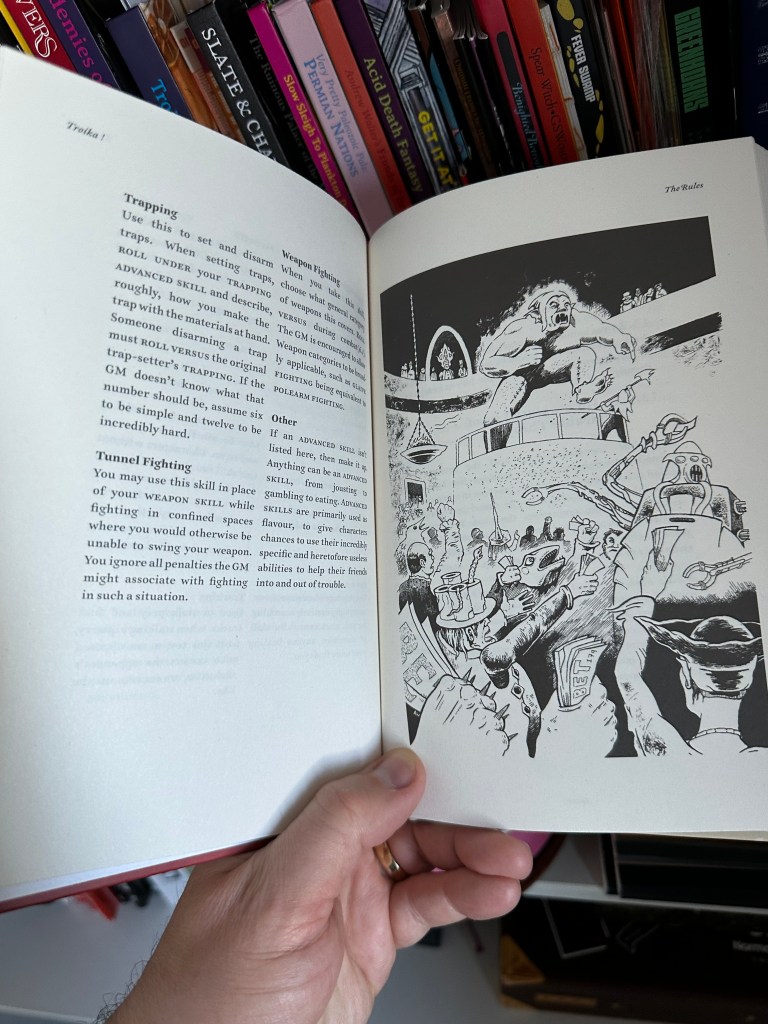
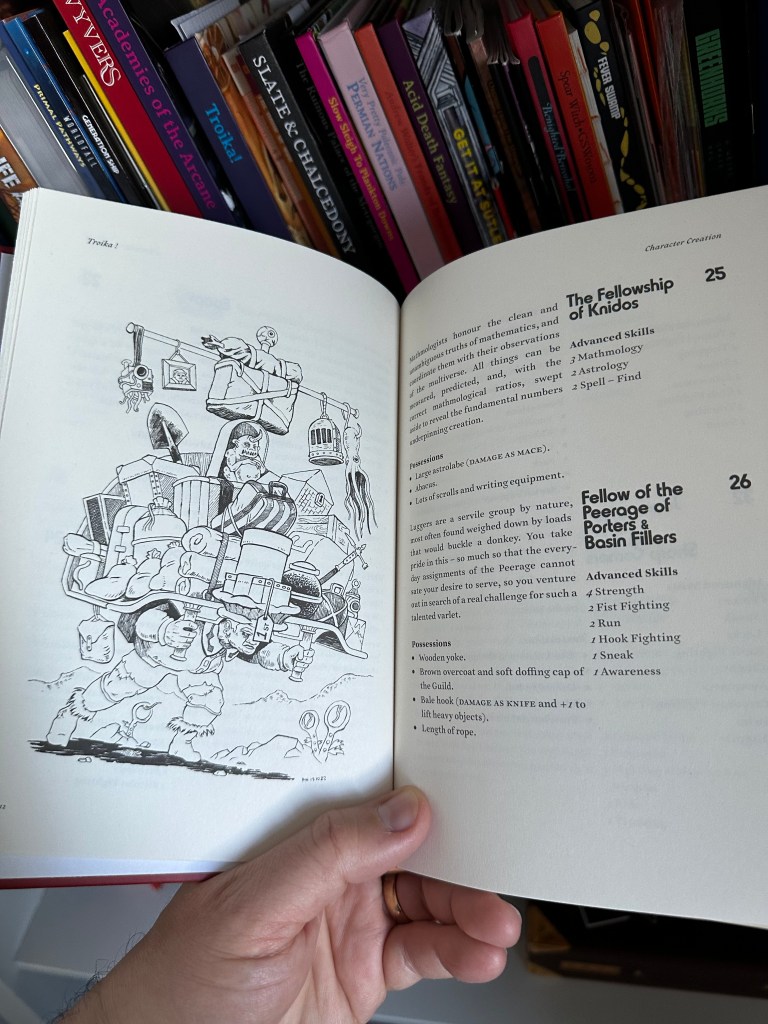
The Melsonian Arts Council, who are responsible for such TTRPG high-points as Troika! and Swyvers has a subscription service. Now, I will be the first one to hold up my hands and admit that I have been critical of literally everything becoming a subscription. Still, I love being a Friend of Melsonia. I say that in the least cultish way possible, I think?

The goal Daniel Sell and the rest of the Melsonian Arts Council are trying to achieve is to reduce or remove their dependency on crowdfunding efforts for every new project. Crowdfunding takes up a considerable amount of effort that these incredible artists could better spend on their creativity. That’s why I support it.

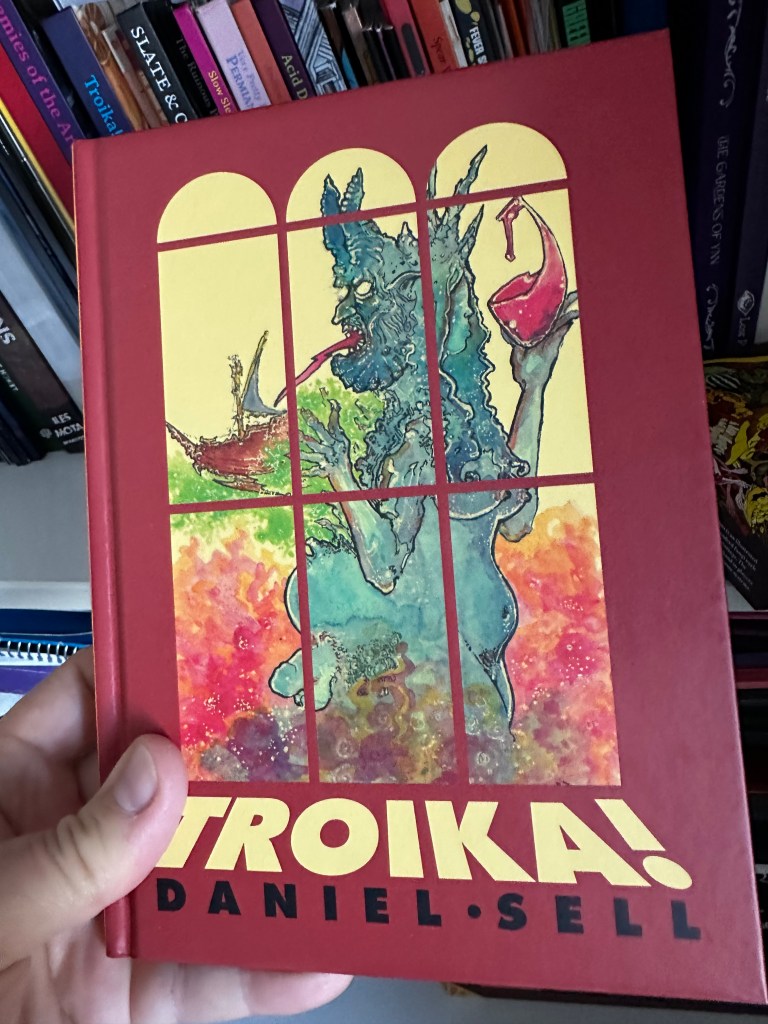
If you sign up for Friends of Melsonia for £10 a month (other currencies will, I assume, require different amounts, but Melsonia are UK based so I’m going with pounds sterling) they will send you a copy of every book they produce while your subscription is active. If that were all you were getting it would be a saving of a few dozen pounds, but on top of that, you will get exclusive stuff too! Just check out the new cover art on this version of Troika that I received in the first Friends of Melsonia delivery on Monday.

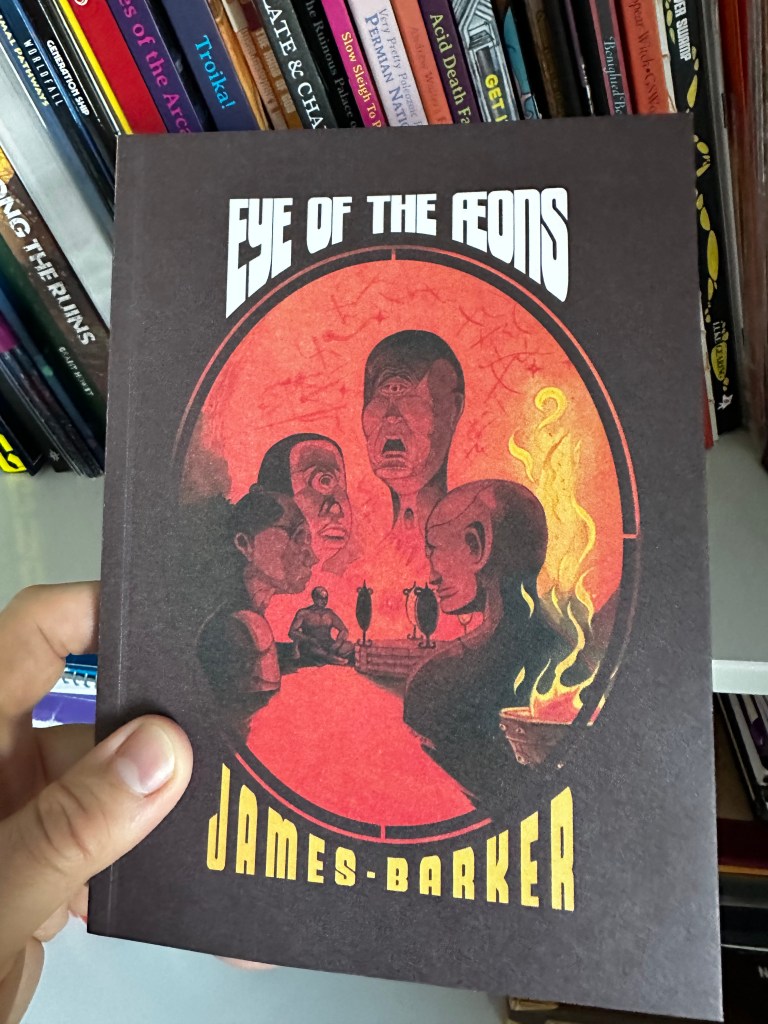
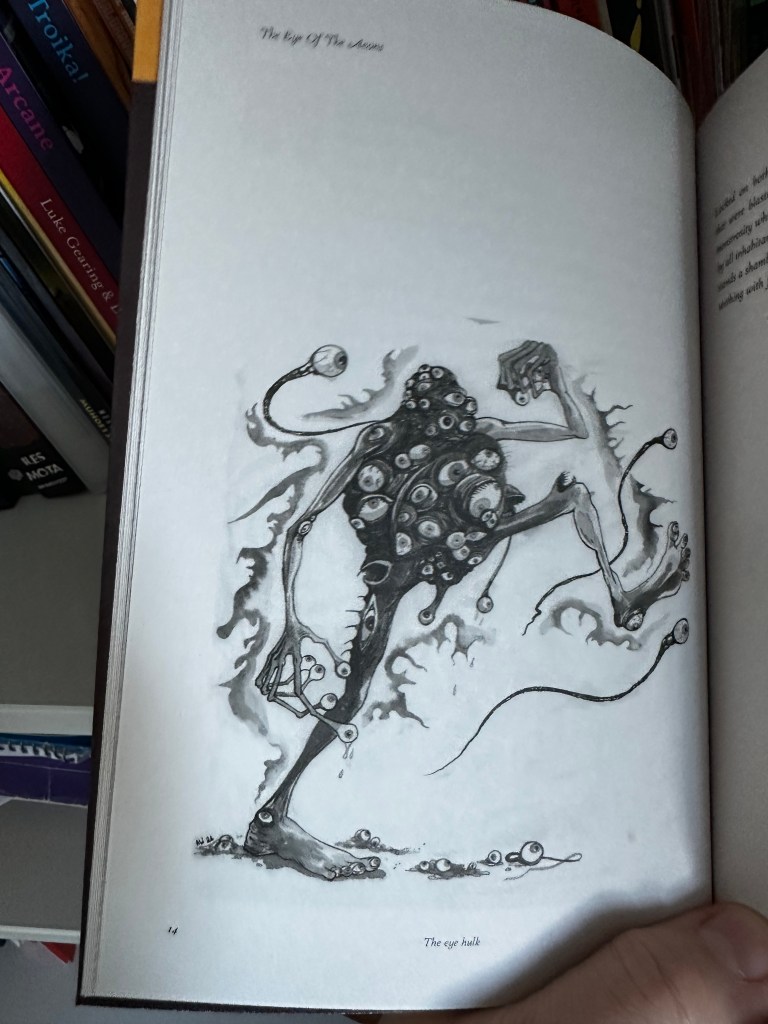
And the latest in their series of Troika location based adventures, the 1:5 Series. Eye of the Aeons has Cyclopes and snails.

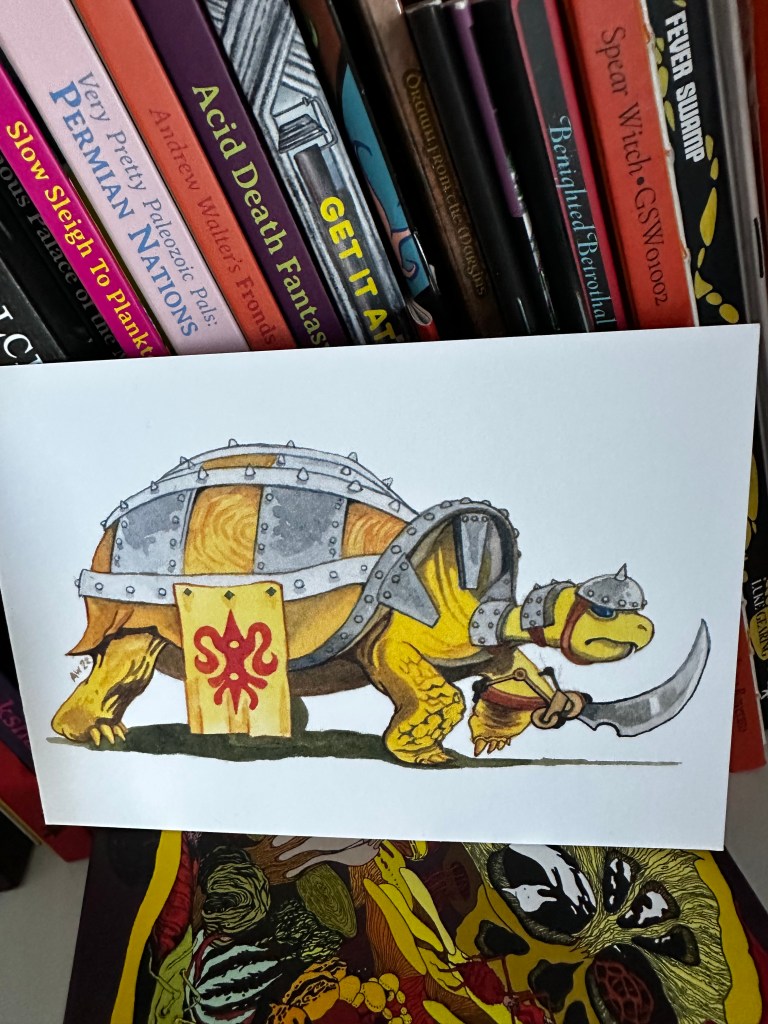
AND, as if all that wasn’t enough, I also got this turtle with the power of sword and armour in postcard form.

Go join up if you can!

Friends of Melsonia

Cosmic Dark Kickstarter

If you have been here for the last few months, you have probably noticed me mention Cosmic Dark a couple of times. Go check out those other posts for more information on this great game. So far I have only played one session of it, but it was one of the best sessions of the year so far. Also, I have another one coming up tomorrow evening.

Graham Walmsley comes with some impressive bona fides. He is the creator of Cthulhu Dark, which was something of a high water mark in the rules-light indie RPG scene that spawned a bevvy of fun hacks such as Alien Dark, which I was lucky enough to play last year. Graham also wrote Stealing Cthulhu and has contributed to some other well known indie RPGs like Fiasco and The Laundry.

The Kickstarter for Cosmic Dark is live now! It funded in under 3 hours yesterday! There is a special Launch Edition which is only available for the first 48 hours, which means you can still get it at the time I’m publishing this post and, on top of that, there are some fantastic stretch goals being reached right now. This will mean contributions from such RPG luminaries as Alyssa Griffiths, Kieron Gillen, Scott Dorward, Thomas Manuel, Jeeyon Shim and Grant Howitt. So get over there and back that thing! I want all the weird space shit these guys can throw at me.

Cosmic Dark Kickstarter

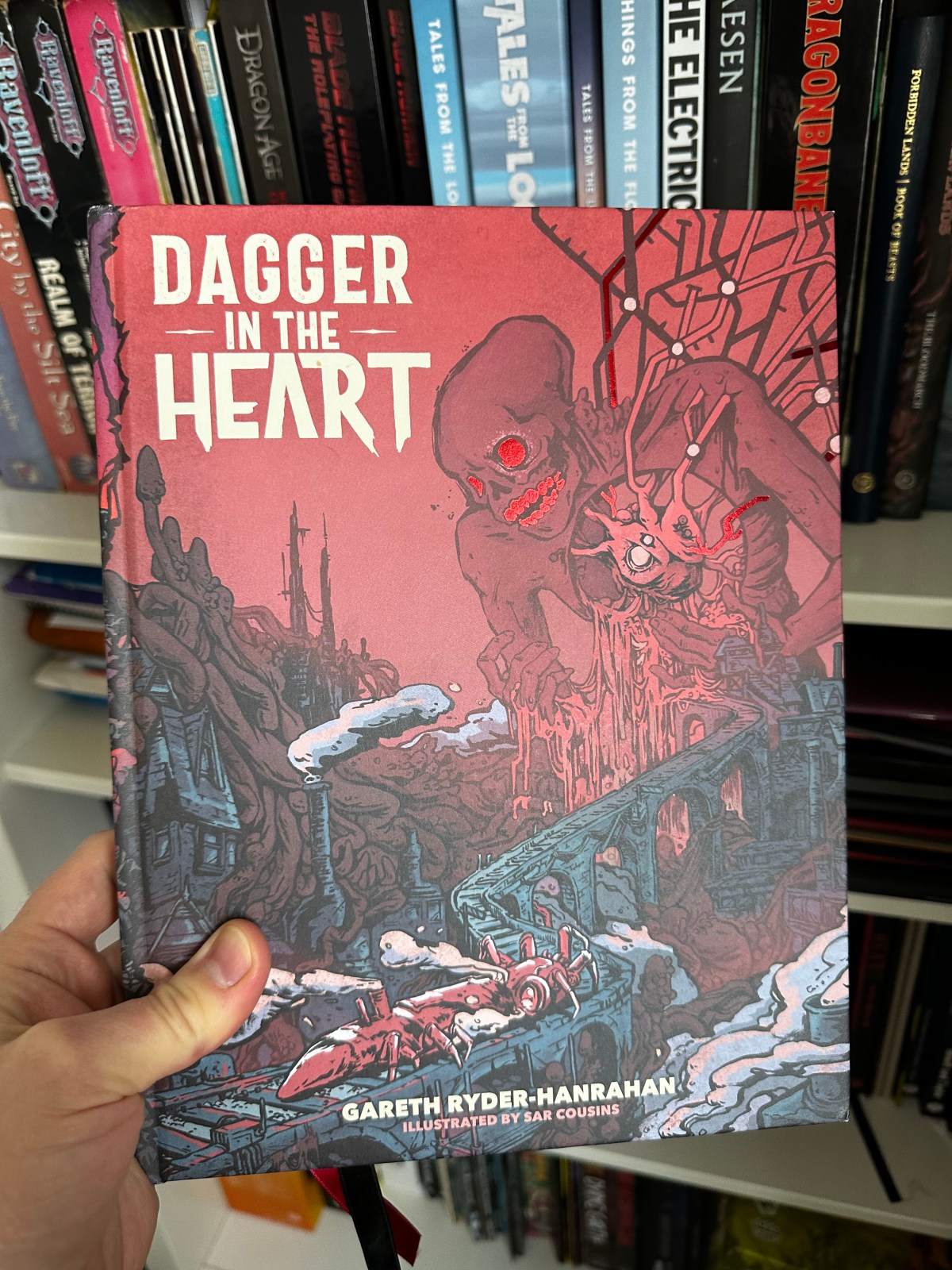
Dagger in the Heart

On Rails?

I recently finished reading through the new campaign book for Heart, the City Beneath. Dagger in the Heart from Rowan Rook and Decard was written by Gareth Ryder-Hanrahan and illustrated by Sar Cousins and came after a very successful crowdfunding effort last year. I backed it because I back everything from RRD but also because I was curious about how they were going to go about constructing a campaign for a game like Heart. In my experience, A campaign for Heart is something best dealt with one session at a time. Looseness and improvisational ability are qualities you will benefit from when GMing this game. The character beats that drive the events and the plot and the characters forward might have one PC searching for someone to kick off a tall building while another might be looking to get into a situation that’ll garner them some major Echo Fallout. So, maintaining any sort of direction can be a challenge. This is one of the game’s great strengths, of course. It makes it feel quite organic at the table and allows your players to feel as though they are the focus of the evolving story.

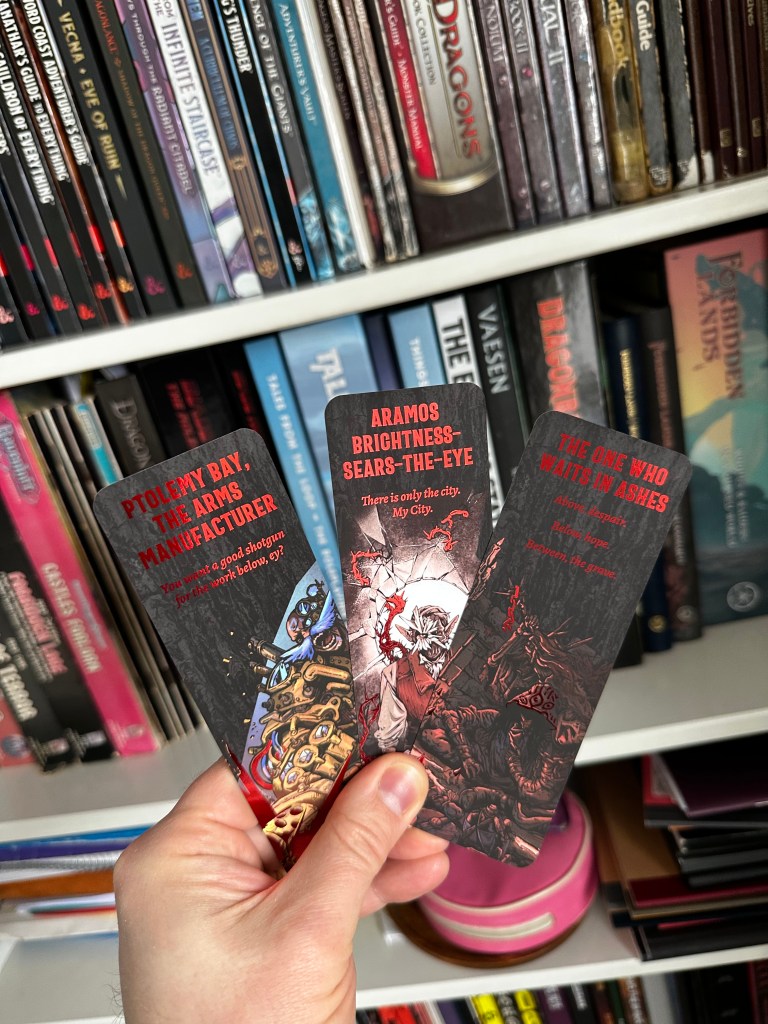
So, how to you translate that style of play into a coherent campaign? Well, you get Gareth Ryder-Hanrahan to write it for you, obviously. What he has done with Dagger in the Heart is provide the GM with a trio of inspired villains that I can imagine the PCs will love to hate and built the campaign around their plots and goals. In the introduction, he also gives you a guide on how to use these villains, depending on the length of campaign you want to run and some other factors. You don’t need to use them all, and, indeed, you are encouraged not to. Importantly, the campaign will work no matter which ones you use. They mostly act as foils to the PCs plans and actions and you are given suggestions, throughout the book, on how to use them in each area and during each major event. In Dagger in the Heart, the villains have their own beats they’re working towards, which helps in keeping track of what they are doing most of the time.

After the intro, you get seven chapters, each of which focuses on the areas of the Heart (or, indeed, the City Above) that are important at different points in the campaign. A chapter features an overview section which briefly explains what is contained in it and what the PCs are expected to be doing while they interact with the places, people and events contained in it. After that, you have a Staging section, which gives you options on how to get the PCs to move the overall plot forward while they do the usual Heart stuff of delving and hitting their Beats. This might include descriptions of major NPCs or stat blocks for enemies. After this, you get your Landmark and Delve descriptions. There are so many Landmarks in this book. I am pretty sure there are more Landmarks in this than in the Heart core book. But the delvers are not required to visit all of them. Instead there are just a lot of options. Indeed, because of the very loose nature of the campaign, the Landmarks can occur in any order, within any given Tier of the Heart, at least. In fact, they can mostly move quite freely between Tiers as well. So, despite the plot focusing so heavily on the occult and defunct underground train system known as the Vermissian, Dagger in the Heart is anything but Railroady. What it does, is provide you and your players with a plethora of options for how the story of the campaign could play out at your table and, indeed, how it might end, taking into account what your delvers might do.

After reading it, I was energised and inspired. I wanted to get some players around the table and send them back into the Heart as soon as possible. It will have to wait a little while, though, while other games come to an end. In the meantime, I get to read it again and prepare something really special.

Heart GM Screen

I also got the new Heart GM Screen from the Backerkit. It’s exactly what you would expect from RRD. Very high quality and totally over the top. There are no useful tables or common rules on the screen itself. Instead it comes with a booklet that you can rip the particular pages out of or, I suppose, photocopy and attach to the screen as you like. That way you can switch out the items you most need, when you most need them. It’s a nice idea and I think it will be useful.

Ravenloft

Something’s gotta give

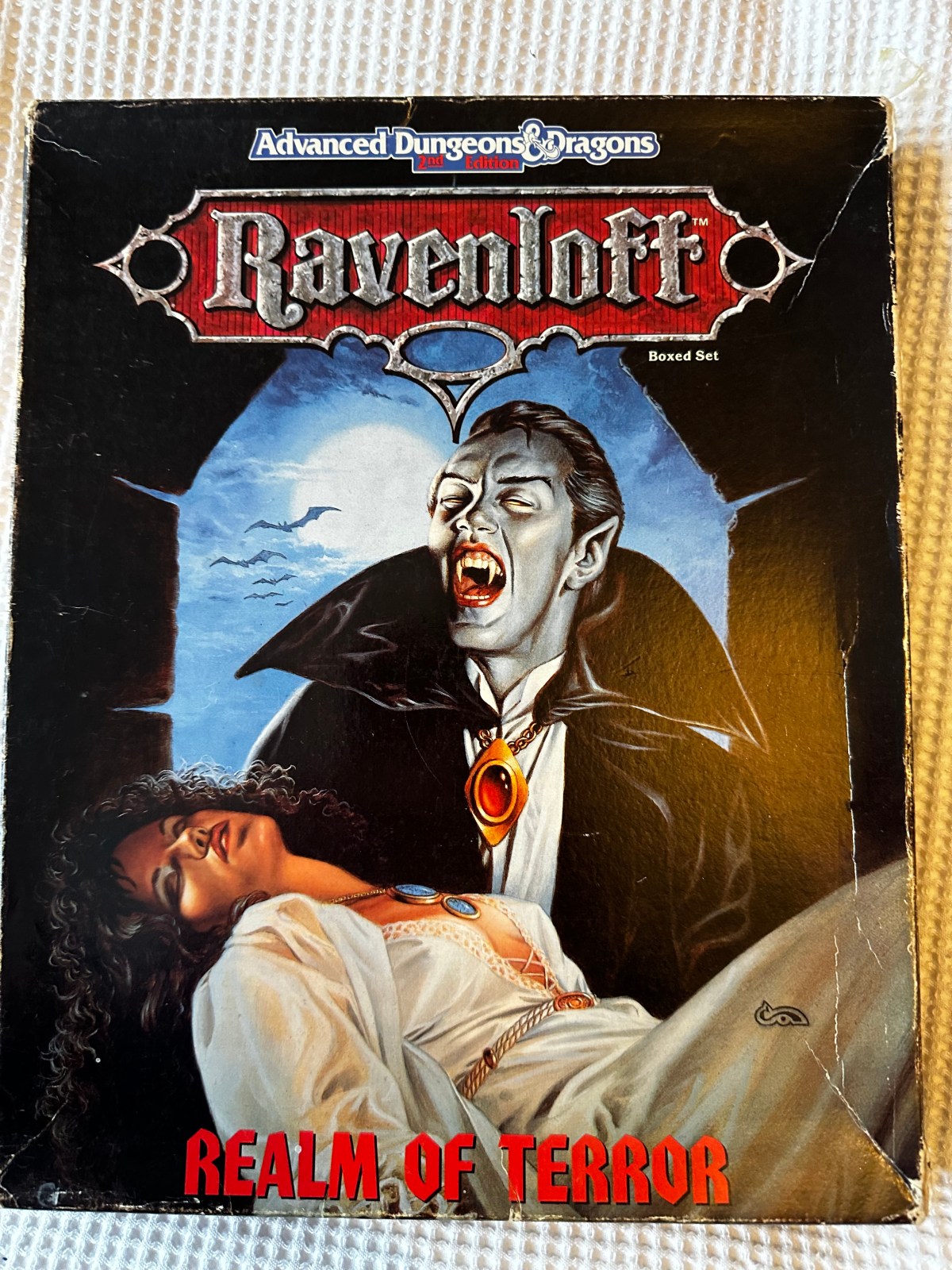
I thought I would play Ravenloft around Halloween this year. My friend returned all my Ravenloft books and boxed sets to me back in the spring after about 25 years, and since then I have been thinking it would be cool to run something in the Domain of Dread as a Halloween one-shot. But, in the meantime, I have played a lot of different games, mostly one-shots, mostly a lot easier to play in that format than any version of D&D. So I did consider starting a campaign or a multi-session adventure, but, to be honest, I didn’t have it in me to do all the reading and conversion that was necessary. I may be playing more RPGs than I ever have before in my life but that has an unlooked for side-effect: I have less time to prepare for games! This is a dilemma that has been exacerbated by my blog schedule and I have been thinking that I might have to make a change there too. I am switching to posting once every three days for the foreseeable future.

The Demiplane of Dread

So, I am not talking about the original Ravenloft adventure from AD&D 1st Edition or the Curse of Strahd released for 5E, but the setting released by TSR for AD&D 2nd Edition in 1990. It is by Bruce Nesmith and Andria Hayday. I think I have mentioned in another post that my friends and I played most of our AD&D in the Dark Sun setting but I would imagine Ravenloft comes a close second. I just loved having them create regular old characters in my home-brewed standard fantasy world and then dumping them, unceremoniously and with no warning through the mists into the forests of Barovia or the mountains of Forlorn and hitting them with monsters that drained levels and abilities and where there was no escape from he darkness and the terror. Although, I confess, the games were probably not very terrifying. I did my best, but I have always found horror a difficult genre to emulate around the table, especially with a system like D&D. The authors did their best to assist the Ravenloft DM with sections in the main book about the “Techniques of Terror,” where they discuss “Assaults on the Mind,” “Assaults on the Body,” “A Villain in Control,” and that sort of thing. But, the fact was, we were a gang of teenaged boys who mostly just wanted to hit things until they died so those were usually the kinds of adventures we got.

Looking at it from a more mature standpoint now, I would love to try to run it with a real sense of gothic horror. I think I am better equipped now to attempt it. Although I still think it would be a challenge and I might refrain from running it in a D&D-like system. Why? Well, the products for Ravenloft, while not all gold, are still some of the highest quality items I think TSR produced. Just look at all these handouts! Each one of them has something useful on the back of a beautifully illustrated card.

5E products are usually produced to a high standard, but they don’t have the variety and versatility that the 2nd Edition boxed sets did. They also don’t have the quality or usefulness of content. These boxes and sourcebooks are stuffed with useable materials; details on lands, villains, monsters, new spells, effects, encounter tables, maps, maps, maps. 5E setting guides of late, excepting maybe Planescape are very short on this sort of detail.

Adventures in Ravenloft

I usually wrote my own adventures back in the day. Or at least I would pick and choose liberally from the pre-written modules and combine them with my own scribblings to make them fit into an overarching campaign. Or that’s what I told myself I was doing. I have a funny feeling that, mostly, I was just trying o murder the PCs. This is another aspect of my style that has, thankfully, changed, since the good old days.

I do have a few Ravenloft adventures that might be fun to convert or even to just run in the original 2nd Edition ruleset.

Feast of Goblyns is a very flexible module that is designed to be run for characters of levels 4 to 7. It is presented in a format that allows many different paths to be taken through it, with the PCs potentially ignoring some major and minor plots depending on how they decide to play it. This one was designed to be the adventure that draws PCs into the Demiplane, which is always fun. I think I remember playing parts of this module but my memory is not good enough to recall which parts. At 96 pages, though, it would require a bit of commitment to play through the whole thing.

From the Shadows is written for rather high level characters, levels 9 to 12. It is based around the plots of Azalin the lich, lord of the domain of Darkon and his eternal conflict with Strahd Von Zarovich, famed ruler of Barovia and OG Ravenloft BBEG. A great deal of it takes place in Castle Avernus, the lich’s home, and that is pretty cool. I definitely played this but I don’t think the characters survived the whole way through.

Finally, I have the Book of Crypts, which is similar to the Book of Lairs but has 8 full adventures in it! This seems the most suitable for a shorter game or campaign and I might just take a look at running something from here before the spooky season is fully through.

Dear reader, have you ever played this version of Ravenloft? Do you yearn for the mists? Or would you rather play a game actually made for horror?

The Apprentice, Chapter 16 and Epilogue

The end

I’m under no illusions about what this story is. It was my very first attempt at writing anything log form. The quality of the writing (or lack thereof,) the self-indulgence and the repetition of tropes and cliches are all too clear to me. In fact, it’s been so long since I wrote this (more than 12 or 13 years, I think) that it no longer feels like I was the one who wrote it. This makes it easier for me to be critical of it, but it also allows me to see the parts that shine. The plot and the character of Maryk still work for me, and there are elements of the world I built here that I used in later writings too.

I decided to share the story here as something of an exercise, but also as a form of motivation. I would like to be a better writer, and I think, laying this book out here for the world to see (or whatever tiny proportion of the world visit my humble blog at any rate) has forced me to look at my writing from a very different perspective. And I can see the flaws and the areas for improvement. And, hopefully, that will push me to write more and to write better.

Anyway, dear reader, I hope you enjoy this finalé to the Apprentice. Let me know what you thought of the story in the comments if you like.

Chapter 16: Dead is Dead

Delegation of duties for the dead was surprisingly easy. I had already discovered in my work with the ancient dead that talents and predispositions still existed within their decaying bodies. Therefore, some were excellent farmers, some builders of notable skill and others natural warriors. In the case of the skeletons I had to just figure out which were which by assigning them the tasks and ascertaining whether they did them well or poorly. In the case of the recent dead of Pitch Springs they were readily categorised for me. The graveyard was already split into guilds’ sections so all the masons were buried together, all the smiths were in one section, all the cooks in another. Of course, a corpse’s previous profession was not the only consideration. Stage of decomposition as well as completeness or otherwise of body were also important. I separated them as best I could, sending a hundred or more farmer’s corpses into the countryside to begin working on the land, a trio of dead smiths into town to begin working at the forge, a score of shambling masons to begin construction of a much needed wall for the town, two dozen ex-quarrymen to the quarry to begin extracting stone for the wall, a baker’s dozen of deceased coachmen to liberate some of the town’s carts and start transporting the stone from the quarry. There were a few other small groups and individuals: I put Grey Greta back to work but not before I’d had her picked of all her flesh (a rotting, stinky washerwoman would never do.) Ditto the three cooks I found and sent to start cooking up a feast in the Town Square. A single sculptor’s corpse I put to work sculpting a statue of my father in the middle of Saint Frackas’ Square. My father’s empty corpse did end up at my side after all, grasping his bastard sword in two hands and standing to attention as much as one can when one’s head is lolling over one’s right shoulder like the knot on a tied up sack.

Duties assigned, I returned to my fortress to make plans for the next stage of my plan. I walked with my last skeleton guard and my father flanking me all the way back. By the time I reached my home the sun had come up and I could see many of my new servants out in the fields, hard at work. I knew there would be a backlash against them but I decided I would not allow it. Hurrying back to the fortress I gathered the remaining ancient skeletons and ordered them to wound anyone who tried to interfere with the work of the newer dead and then I sent them out to guard the workers wherever they were. This left the fortress all but undefended. I was not worried about an attack from town. There was a force of peace-keepers, certainly, but they were not particularly well regarded. The constabulary of Pitch Springs was never trained to a very high standard and were generally considered to be layabouts. I could not imagine them planning and executing a siege or infiltration, in fact, I doubt they could imagine it themselves. They had seemed to work effectively enough during the incident when I returned the mayor to town, to be fair to them, but even then it was my father who had landed the fatal blow. The only man I might have feared now stood at my side. I felt perfectly safe ensconced, once more, in my study.

I watched the happenings in the town and the surrounding country by the use of several Farsee mirrors all hung side by side on the wall of my study. There was unrest. The Pitch Springers mostly stayed indoors and avoided the few of the dead that I had sent to work there. I wondered if any of them would partake of the feast being prepared in the centre of town. When I saw a pair of constables attack the cooks I was appalled. Couldn’t they see that all they were trying to do was prepare a meal? Why would you assault cooks, whether living or dead? The skeleton guard made short work of the constables, though it was, perhaps, a little too efficient, removing a whole hand from one and shattering the kneecap of the other. On the Markinson’s farm, Old Father Markinson launched a single-handed assault on the rotting corpse of his former neighbour, Farmer Yantzi which had been cleaning his farmyard while the dogs cowered under the chicken coop. An attempted defense by the skeleton guard went awry and it ended up with a shattered skull at the end of the spade in Markinson’s hands. it crumbled into bones and dust and then the head came off Farmer Yantzi’s corpse too. I watched as the old man burned the body and the head. A number of other such incidents ended up with the dismemberment, decapitation or cremation of the dead servants I had sent out to help. The skeletons that were left after my father’s ambush were not warriors and it showed.

Most folk on the farms simply left the dead servants to it, however, and I began to hope that they were coming around to my way of thinking. Then I noticed that they were not just leaving the dead to their work, they were leaving the farms to the dead. A congregation had begun in the Temple of Mictus where it had all started. All the people of the town had gathered there and as the farmers arrived in Pitch Springs they made straight for it too. Undoubtedly, they were plotting against me. They thought me some sort of villain and they did not see the truth behind my actions. With them all gathered in one place, I was tempted to launch an assault of my own. After all, it seemed the only people I could trust and rely on were the dead ones. I looked at my father’s corpse standing nearby and wondered what the man would have done in my position. I laughed then, “You would never have been in this situation, would you?” Wholesale slaughter, though? No. There was no situation in which he would have condoned it. None. I would have to achieve my goals the hard way, as if any of this had been easy.

Before proceeding, however, I had to find out what they were doing in the temple. I could not penetrate its walls, however. I imagined it was the power of Mictus which kept me out. I consulted the Book of Royal Magic to find out what alternatives to Farsee were available to me. Every few moments, I looked up at the mirrors to see if anything had changed. It took about an hour, but eventually, there was movement. Six constables emerged from the temple’s front doors and saddled up the horses that they had left outside before riding off towards the bridge out of town. A pair of burly townsmen, bearing torches despite the bright daylight pulled the doors shut again after they had gone. Undoubtedly, the constables were coming to me. Maybe they had a plan to infiltrate the fortress and kill me. They would find that exceedingly difficult. I considered calling in some of the remaining ancient dead but quickly decided against it and sent the corpse of my father out to defend the gate and the walls. I was sure he would be more than capable, and so it proved. In fact, if the attack I was expecting had come from where I expected it to, I would be safe and well today.

I returned to my search for the spell I needed, secure in the knowledge that I was well defended. Some time later I heard the clatter of hooves on the paving stones of the little road up to the fortress gates and I knew the constables had arrived. Out of my window I could see nothing but the corpse of Korl Scharpetzi atop the battlements, looking down at his enemy as they shouted vowels at him from below.

Turning my back on the window, I returned to the book and the mirrors. “I have often wished, Maryk, that this was not you,” said a very familiar voice. I raised my hands and turned, “Master Gedholdt!” He was slowly walking towards me now, skinny as ever but much greyer than I remembered him and had he always had that limp? I do not think I had spared this man more than a passing thought since I ran away, taking his most prized possession with me. I certainly never expected him to turn up here, with an expression of sadness and determination on his face. “It is you, though, Maryk. What happened that transformed you into this?” He gestured to me and then the surrounding study and, by implication, the fortress. “I met someone and she opened my eyes to my responsibilities. Someone of my great abilities has an obligation to help others. That is all I have been trying to do: to improve my people’s lives.” Looking down at his boots he shook his head, “Improve your people’s lives by raising their dearly departed relatives to build armies of the dead?! You’re talking madness. You learned nothing when you were apprenticed to me! I taught you to use magic sparingly and for the best of reasons.” He was angry now, he felt betrayed. “Master I-” “Don’t call me that! I was never your master. I was just your mark, wasn’t I? You drew me in until you saw the opportunity to take what you wanted and go. You’re a trickster, a thief and a murderer.” He shouted the last word and threw out his hands in a magical movement. A wall hit me, I felt my nose burst and my chest crack and my legs lift off the floor; another wall hit me from behind, this time the real, solid wall of the study. I knocked the back of my head off it and my vision took a break again. Falling to the floor, I hurt all over but particularly in my chest where I was quite certain one of my lungs had deflated. I sucked breaths in at a rapid pace without much success in obtaining air from them. I looked up at my attacker. Never had I seen the man look like this, he looked dangerous. I inhaled deeply, once and shouted as best as my one remaining lung would allow, “Poppa!”
My father’s corpse would be coming but it would take time. How was I going to survive this? I had to think quickly and act quickly. The fastest spell I could remember was the first one I had ever performed, the first one that Master Gedholdt had taught me to perform. I said the word quietly and made the movements painfully. A sphere of light encapsulated the head of my old master, causing him to stumble back and fall over an ornate cherry-wood chair. I made for the door while he was blinded. I heard him roar the words of a cancellation spell as he struggled back to his feet behind me. I hobbled down the corridor and then down the stairs to my father and his protection. Where was he anyway? It should not have taken him so long to respond to the summons. I had expected to meet him on the stair but he was not there, nor was he in the entrance hall of the keep. Master Gedholdt had regained his feet and his vision, at least partially. I heard him cry out as he came to the stairs and fall down several of them before catching the bannister and regaining his balance. “Maryk! Maryk, this is pointless. You cannot escape this fate. You are accursed. This is the final fulfilment of those curses. Stop running and accept it.” I ran on. “Maryk! You don’t understand! I’m not alone here!” What did he mean by that? The constables posed no danger, that was for sure. Who else, then? Who-

I exited the great main doors of the keep and looked into the courtyard. The third of my masters stood there before the gates on the opposite side: the Fae-Mother. She stood at her full height, the hair on her head fluttering around the brickwork on the underside of the gate’s arch. A glow of dark, living green emanated from her uncovered face and hands, but her eyes, looking through me as usual were black holes in the glow and seemed to belong to the shadows behind her. My father’s headless body lay on the flagstones before her, broken and twisted bastard sword beneath it. I sobbed, it felt more like losing a father this time for some reason. Also, her presence filled me with an unconquerable fear. I fell to my knees at the top of the steps. Gedholdt stumbled awkwardly out the main door behind me. “I tried to warn you Maryk. I did not come here on my own,” he said as he came to stand beside me, “She sought me out.”
“I will speak for myself, Gedholdt.” The sound of her voice made all the stones which constituted my fortress vibrate at an incredible frequency, it made my eyes feel like they were being crushed. Even Gedholdt was having difficulty staying upright under the assault of the ancient Fae’s words. “You mentioned Gedholdt to me, do you remember?” I nodded. Pain in my chest and nose made it impossible to speak. “I knew he would understand what you were doing much better than I. I realised and released your potential and perhaps even pushed you in the direction you eventually took. I watched you and listened to your voices, inner and outer, for a time before you met me. I knew you already then, much better than you did yourself, and I saw a waste of a mind and a life. You humans and your butterfly lives, you must live them fully every second to make them worth while. The Fae can sit and contemplate or sleep for hundreds of years if we like but you…your people are different. I saw what you could become with the right desires in place and a sense of responsibility. I gave you those things when I touched you. When you started to raise the dead, your logic, I thought, was faultless. It was the perfect solution for all your people. When I saw the reaction of the townspeople to your creations, I was surprised. Why? Why could they not accept the servants you sent them? I had no inkling. That is why I sought out your Master Gedholdt. He explained it to me.” The Fae-Mother nodded to Gedholdt who started down the steps even as I cowered there at the top of them. “Folk should stay dead. Human folk that is,” he bowed to the Fae-Mother who tipped her head at him demurely. “We cannot come back whole from the other side. We cannot stop the progress of time on our bodies. No-one wants to see their dead wife or child or grandfather walking about town, faces rotting, stinking to high heaven. Dead is dead, Maryk. It is an unwritten rule and you broke it. But it’s even worse than that. So much worse.” Gedholdt had taken up a position at the right hand of the Fae-Mother and looked up the two feet to her eyes.
“Your servants. Their souls yet inhabit their bodies. Or rather, they were pulled back from the Aether to fill the empty spaces in their rotting corpses by your spell. This spell of yours required the revived bodies to have a force within them. But, cleverly, you changed the spell too, did you not? You altered it so that they would have to obey you or someone like you. So, even though these souls occupied their old bodies they could do nothing to control them.” She stopped talking, mercifully and looked down at the body of my father, sprawled on the ground before her.

I reeled and and covered my eyes as I lay on my back trying to breathe, trying to talk, trying to refute this, trying not to imagine the existence suffered by a mind trapped in a body it could not control. “No,” was all I could manage. “On the contrary. Where do you think the energy came from to do what you did? You? You are more foolish than I realised or I would not have given you my gift. Progress is all I ever strove for, as you know, for my people and yours. It is too late for my people now. Yet I thought you could do what I could not. But I cannot condone this. You have corrupted the very notion of progress by trying to achieve it in this way.” I heard her coming closer, both of them approaching.

“I didn’t know,” I wheezed.
“Ignorance is no excuse.” She was heartless. “The souls you stole to power the corpses which were at the very heart of your plans did not know what you had in store for them and yet you trapped them and used their energy without their consent.” The Fae-Mother stood over me now, her power rolling off her in terrible waves. I uncovered my eyes and looked up at her and Gedholdt beside her.

“There is only one punishment fit for the crime you have committed, Maryk,” Gedholdt’s voice cracked as he knelt by my shoulder, “ I think you know what it is.” A tear in his eye made my breathing catch. He turned away then and the Fae-Mother reached down to touch me again with her glowing fingertip, as she had done that day in my little cabin in Creakwood. That day she gave my life purpose, this day, she took it away.

Epilogue

So I died. I died and yet my life went on. Life, perhaps is not the correct word for this state. I exist as a presence inside my own rotting corpse. I can see after a fashion through the eyes of this body, well, eye, there is only the one left. If it were not for that, I think this existence might just be bearable.
The Fae-Mother briefly became my mistress again, well the mistress of my animated corpse. On the first day of my death, after she killed me on the steps of my fortress, she ordered me into my study. My body climbed the stairs back to the room where I had spent so much of my time doing such wondrous work and discovering such amazing things in my studies. I felt like a passenger on a carriage-ride on the way there. When I got there the Fae-Mother ordered my body to stop in front of one of the larger mirrors I used to use to Farsee. I stood there and then she left and Gedholdt went with her. I have not seen them or anyone else for a very long time.

I often used to wonder how long it had been since they left me there alone. I drove myself to distraction trying to keep track of the passing of the days. My mind went away for a while and when you are just mind, that is a serious thing. When finally I came back I knew not how long it had been so I gave up measuring days and weeks and months and years. I measured the passage of time, instead, by the rotting of limbs, the nibbling of rats, the decomposition of the body I was trapped in. There is no escaping it. But to try, I started to entertain myself with stories.

As I explained, my favourite one is the tale of the Man who Killed Sheep with a Stare and I told myself that one often, embellishing the tale in a variety of ways, adding more excitement or a new twist now and again. I had taken, more recently, to reciting to myself the tale of my own life. Once again I often changed it to please myself but it always began the same way. Perhaps I’ll start it again now and this time maybe I’ll let Cobbles live.

I don’t remember it, of course, but I killed my mother as a newborn. I did not learn this from my father. I was not aware of it at all until my sister told me. She has never forgiven me for it.

Between the Skies Part 3

How to begin

I’ve written about beginnings in RPGs before. I think they are crucial to establishing tone, theme, genre and expectations to the whole game, long or short. Many RPG books lay out pretty well, the genre and themes they explore, many providing starting adventures or scenarios to help you set the tone. Few do as good a job at helping you to begin as Between the Skies.

Now, as I’ve written in the previous entries in this series, Between the Skies by Huffa provides a whole lot of advice and options collected into a loosely defined game. It exists to help the players (including the GM) create the play-style and world they want. The text assumes that you will be using a set of rules that suits your table so, by necessity, the advice and tools it provides to help you begin playing are applicable in almost any game. Having read the Beginning Your Travels chapter, I can say it’s brimming with what is just plain good advice.

How and why

The why is an often overlooked element of an RPG character. What the hell are they doing any of this crazy shit for? Why are they travelling across the planes or through wild-space, in the specific example of Between the Skies. I wrote more about character motivation here. Obviously, this book has tables that help you to answer that question. They are wonderfully vague, as you might have come to expect. The vagueness allows your own imagination to combine with the generalities of the game already established by you and your group.

The How and Why do You Travel tables from Between the Skies. These include a "Who are you Traveling For? " d6 table, a "How do you travel?" d66 table and a "why are you traveling" d66 table
The How and Why do You Travel tables from Between the Skies. These include a “Who are you Traveling For? ” d6 table, a “How do you travel?” d66 table and a “why are you traveling” d66 table

You will notice there are three sub-tables there.

  • Who are you Traveling for?
  • How do you travel?
  • Why are you traveling?

Once again, it is important that they are incredibly general. You will find yourself building your world as you fill in the gaps around the results of this table.

It’s telling, isn’t it, that the how is also considered here? And that it’s randomised? This is one of the most fundamental questions to answer in establishing the setting, and, in many ways, the type of game you’re preparing to play and it’s left up to random chance. If you think of it from the perspective of a D&D game, there are not too many tables who are rolling the dice on running a Planescape, Spelljammer, Dark Sun or Forgotten Realms campaign next. But using this table gives you all the power. It allows you and your group to put down roots in the world you are going to play together in, and grow whatever you want out of them. You’re going to need a lot more than just the single result from the table but Huffa trusts that you can come up with that, and not only that you can do that, but that you will enjoy doing it. Luckily there are also a butt-load more tables in here to fire the imagination and get you moving in a direction.

How about this for a situation?

The Starting Site Recipe list from Between the Skies. It has 7 points.

Huffa would like you to start your first session in media res. That’s also what I always say. Clearly, she’s a genius. The great thing about the advice as presented in the Starting Situation section is that, once again, the in media res beginning has been formalised into a procedure. You are presented here with a series of steps required to create your Starting Site, what is called the “Starting Site Recipe.” After that you have bevvy of tables to help you in sorting out what type of situation it’s to be, what or who precipitated it, what type of site it is, its inhabitants and a some more trickle down tables that allow you to flesh out the various site types.

The Starting Situation tables from between the Skies. There is a "Starting Situation Type" d6 table with "precipitated by" 2d6 table attached. There are also two more 2d6 tables, "PCs aligned with..." and "PCs antagonistic towards..."
The Starting Situation tables from between the Skies. There is a “Starting Situation Type” d6 table with “precipitated by” 2d6 table attached. There are also two more 2d6 tables, “PCs aligned with…” and “PCs antagonistic towards…”

It makes it feel like, if you used this method, you would have your starting situation and location prepared in minutes and only need to write a short description of a few of the items you rolled up. As usual, when I read any part of this book, it just makes me want to give it a go.

How it looks

Luckily, there is a great little example Starting Situation presented in this chapter as well. It has been generated using the method described earlier and it is called “The Godshambles.” The entire situation is described in only a few short paragraphs, a couple of handy tables, a route map and particularly evocative illustration by Coll Acopian.

If you wanted, you could just use the Godshambles as your own starting situation and no-one could blame you. But, I think one of the beautiful things about the Starting Site Recipe is that the prompts you roll up on the tables will help you to imagine a situation that is fitting for the kind of game you have conjured together when you were creating characters and rolling on the how and why tables before. So, it is likely to feel a little loose around the hips or too baggy around the ankles compared to one you generated yourselves.

How it goes

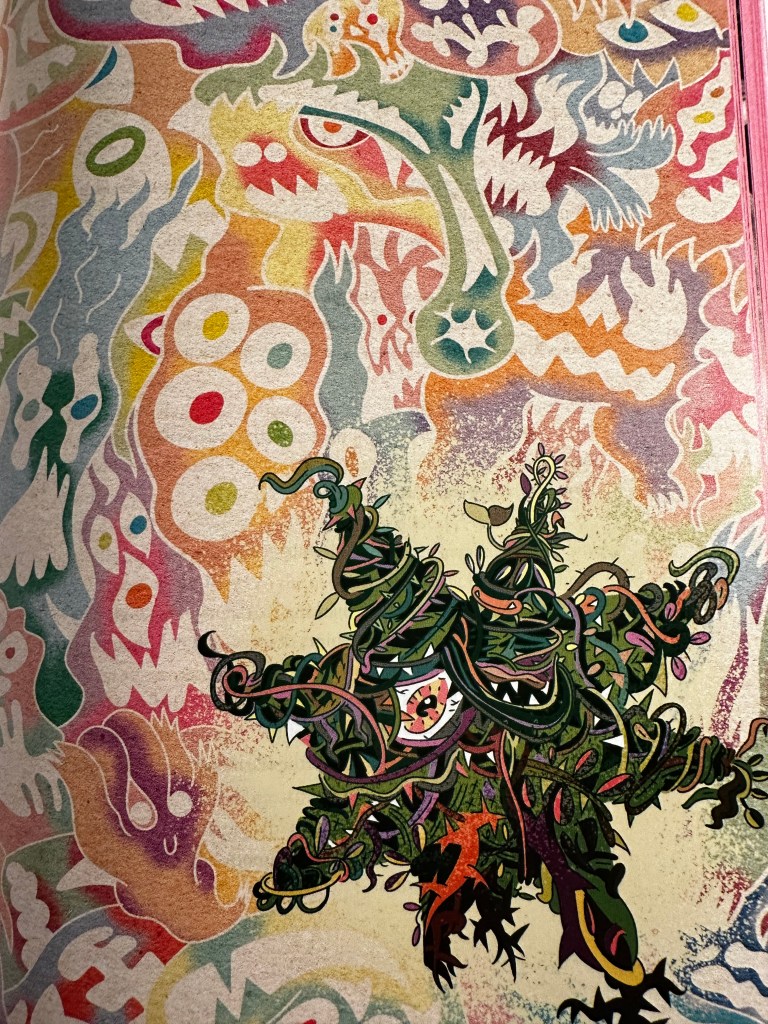
A full colour illustration from Between the Skies. It shows a star-shped being that seems to be made of an entaglement of vines and other plants floating through a multicoloured, psychadelic dreamscape.

Like I stated earlier, I am a big fan of the methods described in this chapter for beginning your game. I am excited to try it out and invite my players to be as big as part of the world building as I am, or bigger, from the very get-go.

Between the Skies has a lot more to offer. I have not even made it half way yet. But I think, for now, at least until I start actually playing it, I will pause this series of posts for now. I’ll bring them back when I have some more practical experience I think. See you then, dear reader!