It’s Bloggies time again! This year, I’m not nominated, mainly because I didn’t nominate myself, which is what I did last year. But there are lots of great blog posts involved. I recommend you go and treat yourself to some of them.
This year, it’s being run by Clayton Notestine, last years’ winner over on the Explorer’s Design blog. It’s a lot of work! The honour of winning is tempered by the commitment of time and effort it requires to run it the next year. But he’s doing a brilliant job so far.
Today, I’m going to highlight one of my favourite posts from each category. The categories are:
Advice
Critique
Gameable
Meta
Theory
Debut Blog
Blog Series
For voting purposes, the posts are all paired, so they’ll be pitted against each other in a brutal gladiatorial blog-off. There can be only one!
You can read them all using the links provided on this page. Or you can join me in listening to them via the We Read the Bloggies podcast, to which many members of the TTRPG/blogging community have so generously donated their time.
If you have ever read a TTRPG adventure and screamed at it to provide you with the relevant information on a dungeon room, an NPC or a situation, this one’s for you.
Critique
This review of Mausritter, and, more specifically, the campaign set, The Estate, for that game, is really interesting. Recently, Quinns was on the Dice Exploder podcast talking about his love of the tactile, chit-based inventory system Mausritter uses. But, in this review, although the author, Malmuria, likes the way the system works, they point out that it’s a lot of work just to keep track of all those little pieces.
Gameable
On the d4 Caltrops blog, we have a very short but incredibly useful post on the stocking of wilderness hexes in OSR games. The main resource here is a d66 table which identifies discoveries as:
Landmarks
Lairs
Resources
Special
Hazard
Or some combination of these. Mostly, it provides sparks of inspiration to allow a GM to come up with discoveries that make sense in their campaigns/worlds. Here’s an example:
Hazard/Resource: Consider a Hazard that renders the Resource invaluable or inaccessible in some way.
Doesn’t that get your little GM brain whirring?
Theory
I love this post about Making Hacking an OSR Style Problem from the goblin.zone blog. I don’t play a lot of cyberpunk games or even games set in the modern day so this is not a subject that comes up very often in my gaming life. I am, however, in my day job, responsible for system security and data protection so I particularly clicked with Part 2: Useful Real World Concepts
Meta
I write RPG reviews here on the dice pool dot com. Some are better than others, but I do always try to make them useful to the reader, the potential player/GM or the prospective buyer. I don’t often think about how I go about doing this. But, if I did, it would probably be encapsulated in this post from The Dodecahedron blog. It references another post from one of my go-to reviewers, Idle Cartulary, on the Playful Void blog, which also did a lot to lay out what reviews should do. I appreciate any writing that makes me consider what it is that I’m doing and both of these posts did that.
I am a priestess of Blorb. Just as the map is not the territory, the rules are not the fiction. You do not need a codified movement speed to permit player characters to move.
And there is a satisfying assortment of blog posts so you’re sure to find something to your liking.
Best Blog Series
It’s the Playful Void again. Over the Christmas/New Years period Idle Cartulary reviewed a truly staggering number of games/modules for Critique Navidad. It was one a day for thirty days. I wrote a blog a day during my first month on the dice pool dot com. I can tell you, that’s a lot of work! And I was only prattling away about the shit the occurred to me, not reading, critiquing and writing about the work of others in a thoughtful and fair manner. That’s what this series is. Go check it out.
Dear reader, last week, we took a look at the final part of the Sutra of Pale Leaves campaign. Today, we’re looking at the Fixer, the final scenario in Carcosa Manifest, the second book in the series. Its part of the Sutra of Pale Leaves, but its not necessarily part of a campaign. You could play it as a stand-alone module, but you could also play it as a coda to your SoPL game. It makes as much sense as the very loose way the campaign is presented, if not the way you might actually find yourself playing it.
The Repairer of Reputations
The Fixer is based on the short story by Robert W Chambers, the Repairer of Reputations. I’ve just listened to it on Youtube. It’s a story of insanity, ambition and murder, which is told from the point of view of a man who has come under the influence of the King in Yellow and a deformed, yellow Repairer of Reputations named Mr Wilde. Go listen to it or read it here. It’s not very long and I think it’s worth reading. The story and the scenario share a few major scenes and themes, but the Fixer is resembles the Repairer of Reputations only loosely. For one thing, the original was set in a then future New York City, while the scenario is based in 1990s Tokyo. The main thing, of course, is that it’s an RPG scenario for a number of players, and that necessitates a few things. The PCs need to have something to do, there has to be room for all of them to be the “main character” and it has to have enough meat on its bones to keep them going for a few sessions of play. I think the Fixer is quite successful at doing these things.
Beginnings
There is an interesting conceit here, that the investigators are down on their luck. They are members of Tokyo’s growing homeless community and are lacking money and respect. It’s possible that they are the same investigators that played through the full Sutra of Pale Leaves campaign. In fact it’s suggested that that’s the reason for their current predicament. Perhaps the things they were forced to do to fight the Pale Prince got them arrested or sent to a psych ward. Maybe they became social outcasts due to their talk about mind viruses and Carcosa and faceless people. Whatever the reason, they have ended up on the streets.
But then they’re given an opportunity by Mr Nomura to make some good money and repair their reputations, restoring their lot in life. Nomura is a strange man with terrible disfigurements and an ever-increasing number of cats. He acts as a wakaresaseya, a breaker-upper, if you will. This is a real business in Japan, and it fits in the scenario perfectly. In fact, in the short story, we never discover what it is that Mr Wilde actually does to Repair Reputations and I’m not sure that such a job ever truly existed in history. So, I like this logical adaptation in the scenario. He calls on the PCs to target several “wrong-doers who have made it into his ledgers.” These include a politician, a dirty cop, a buddhist abbott, a yakuza gangster and a fashion CEO. These are known as the Strawmen. He doesn’t want them killed or physically harmed. Rather, he would like the investigators to humiliate and humble them in particular ways.
Episodic
The Fixer Flow Chart
This scenario bucks the trend when it comes to format. Rather than simply following leads from location to location as the other SoPL scenarios, the investigators need to deal with each of the Strawmen one by one. Now, these people are all assholes in one way or another, even the buddhist abbott is a drug-addict who tricked his way into inheriting his title from his father by convincing the old man that his brother was actually the junkie. So, the investigators are unlikely to feel too bad about bringing them down. In fact, each of the strawman sections details the exact kind of shitheel each one is, their background, their weaknesses and where they’re most likely to be found. For instance, the politician can usually be intercepted at the National Diet (Japanese parliament) or on the golf course. Most useful is the “possible approaches” part in each strawman section. Obviously, this is Keeper-facing information, but it can be used to confirm that the investigators are on the right track. Generally, they are going to have to overcome things like getting onto a golf course or into parliament buildings while being homeless person. But once they get there, they get to do fun things like blackmail, or just straight-up releasing blackmail material to destroy them.
I can see each of the strawmen maybe taking a single session, with an episodic, strawman of the week type game. This would be interspersed with the results of the investigators’ efforts. You see, the truth is that targeting these individuals is essential to the completion of a ritual that will succeed in bringing Carcosa into our world. Nomura wants to overwrite Akihabara with the home of the Prince of Pale Leaves. They will start to see changes such as the police station being turned into changed into a castle looming over the town market square of Carcosa, or the National Diet transforming into the Royal Ballroom. As the city changes, so too does Nomura himself. His simple silicone prosthetic fingers become a cybernetic arm, and eventually he wears a porcelain mask and he is completely subsumed in some sort of cloak of scales with odd protuberances. I really like the gradual change in this villain and in the world. The investigators must assume their actions have something to do with these changes. The become more extreme with each strawman they bring low. And yet, the scenario assumes they continue to do what they have been employed to do.
Endings
Nomura, the Fixer
Once Carcosa has been fully unlocked by the actions of the PCs, Nomura will attempt to fulfil their bargain by offering them positions of authority in his new city. The scenario provides us with a number of lore sheets, which the Keeper can give to any investigators that agree to this. These include, the Rightful Crown Prince, the Royal Matchmaker and the Judge of the Star Chamber. These are to be assigned to particular investigators, not randomly. For instance, the Rightful Crown Prince is supposed to be given to a PC with a good reason to despise the politician strawman so that they can rightfully exceed his level of political power. Even if the PCs don’t want to take on these roles in Nomura’s new world, they might anyway, if they enter into a period of underlying insanity, or if their Exposure Points get high enough, which is fun.
As a truly standalone scenario, we are told that the Fixer is not proscriptive on how it might end. It provides a couple of potential climaxes but it could really go any way. It does, however, still have the numbered Endings common to all these scenarios. I don’t know how we square that circle, to be honest. Anyway, here are the Endings:
Party Wipe (Failure)
Carcosa Manifests (Bad Ending)
Reality prevails (Good Ending)
Split Decision (Umwelt Ending)
Conclusion
I like this scenario. It’s weird and contains some potentially amazing scenes and revelations for the players. The NPCs are well drawn and the events are memorable. I think it would be a perfect way to wrap up your time with the Sutra of Pale Leaves and would act as a fun epilogue to the campaign.
All in all, I’m happy I took this deep dive into these books. I haven’t all that much experience running Call of Cthulhu but I think I would run this full campaign because it resonates with me personally. I think the Prince of Pale Leaves is an insidious and threatening unbeatable villain. The setting is one that I think will fascinate many people and the themes revolving around elements of Japanese culture and society work really well. The variety in the scenarios would, I think, keep it compelling and interesting for both Keeper and players. But I don’t think I would take their advice on running the scenarios in any order other than the one they are presented in and I can’t imagine myself playing it more than once, as they suggest is possible in the intro.
Not quite. We’re almost there, dear reader. This post is about the scenario that’s designed to be the culmination of the Sutra of Pale Leaves campaign for Call of Cthulhu. But it’s not the last scenario. There is one more to go. It’s called the Fixer and I’ll deal with that one next time. If you’re interested in the rest of the posts on this subject, check them out here.
The Bridge Maiden, Part 2 is, guess what, the continuation of the Bridge Maiden, Part 1. You come here to the dice pool for all the hottest insights, dear reader. The intro section tells you that you should run this as the last scenario in your campaign also. As I mentioned in these posts before, you’re informed early on that you can run the scenarios of this campaign in any order, but obviously, if you try running the Bridge Maiden Part 2 before Part 1, it’s not going to make a whole lot of sense. I would contend that the only two scenarios you really have to play to make an, admittedly very short, campaign are these two. None of the events of the other scenarios are central to the main plot of the Sutra of Pale Leaves. Honestly, even the events of the first part are basically surplus to requirements. More on that later.
Make way for SPOILERS below!
Who and What is the Bridge Maiden?
“Who” is a relatively easy question to answer, thankfully. In a very real sense, the Hashihime or Bridge Maiden, is embodied by Umezono Kaho, the NPC from Part 1 who probably employed the investigators to find her brother. Unfortunately, her brother had been transformed by the power of the Sutra, into a pale, subterranean, tentacular creature, but he was basically an asshole so whatever. However, after the events of that scenario, Kaho disappeared. No matter what the PCs did, there was no way to find her. During that time, she had become more and more assimilated into the Association of Pale Leaves (APL.) Not only that, but she has become the vessel for the entity known as Hashihime, as had her ancient ancestor, the great warrior-woman, Gozen Tomoe.
“What” is a bit more difficult. As the Hashihime, Kaho will be the one to guide the Prince of Pale Leaves from his home in Carcosa, across a magical bridge to Earth. This is achieved through the performance of a ritual. It’s not fully clear to me how this all works, though. We know that Gozen was an adherent of the Prince but I don’t know why only she, or her ancestors, have the ability to act as escort. We are told that it’s part of the ritual, but not why. We don’t have many other details about the ritual either, to be honest. But that’s because the PCs will not be able to stop it from beginning. So, let’s move on.
Beginnings
It’s at least a year since the events of Part 1. The investigators might have forgotten that Kaho ghosted them after they found/killed/escaped the clutches of her brother. But something comes up that leads them back to her. As usual, you can use the investigators’ confidants to get them involved, but there are no explicit hooks provided in this scenario as there are in the others we’ve looked at so far. Instead, we have a few bullet points describing ways to bring in the PCs without the intervention of the confidants. Honestly, I’m not sure why that is. After a year, I think it would be great to have a solid narrative hook to utilise to re-introduce them to this case. Especially as it’s not really even the same case! Part 1 revolved around the disappearance of Kaho’s brother, Minoru. Her relation to the Bridge Maiden and the APL is entirely tangential to it.
Except for one important detail. The Mandala of the Divine Eye was the artwork/sign/magic that allowed the APL to identify Kaho, through the thoughts and memories of her brother. Minoru had taken it to his lair beneath Tokyo in Part 1. It’s quite possible the investigators found it when they tracked him there. If they didn’t manage to do that, never fear! It has plot armour, so they will have been given it by one of their ever useful confidants who got their hands on it after it washed out of a storm drain. Either way, the PCs will, hopefully, want to examine it. Otherwise the beginning section of the scenario, “Interval: Examine the Mandala,” will be rendered useless and their progress through the rest of Part 2 will be drastically stymied. Yes, that’s correct, we’re starting with an interval. A bold move indeed. In this interval they will, with any luck, learn a great deal about the plans of the APL through regular old studying. But, if they’re really lucky, they’ll also experience a vision of the future, the coming of the Prince of Pale Leaves himself to our world as its new sovereign. They will also learn about the robbery in which the Sutra was stolen and a lot more about the Sutra itself. This is potentially weeks of Library Use rolls and social skills to investigate. Don’t get me wrong, I think this sort of thing is important to a Call of Cthulhu scenario. In fact, I think a lot of other scenarios in this campaign do not allow for enough Library Use. But it’s not exactly an in media res beginning, is it?
Actual Beginnings
So, 9 pages into the scenario, we get to the actual start, with a section call “Start: Pedestrian Paradise.” In this section the PCs finally hit the streets and get out of the dusty libraries and backrooms. This is where we get back to one of the themes of the previous part, the fashion industry in 1980s Tokyo. In fact, this part is far more linked to fashion than the first part. Kaho has been using her designs to influence the youth of the city and the country by integrating elements of the Sutra into her designs. It uses flower motifs and the brand is called Blume. Its set in the evocative neighbourhood of Harajuku, which was coming into its own in the ‘80s as a hub for youth and fashion, the likes of which, its fair to say, Japan had never seen before.
As the investigators try to question the groups of young people in the streets, they realise that there is something wrong here. The various groups, all wearing Kaho’s designs, tend to move as one, even going so far as to surround some poor girl menacingly, and acting like some sort of crazed flash-mob. All she had done was dropped her ice-cream on one of them! The mob are almost dancing at first, as though choreographed, but if the PCs intervene in anyway, the whole crowd will turn on them and attack.
This is more like it! This is the way I like to start a scenario. But, unfortunately, it comes only after weeks of in-game time while the PCs hit the books.
Leads
Bridge Maiden Part 2 – Flow Chart
Following the flash-mob frenzy, the investigators are expected to follow some bread-crumbs. These lead to locations such as the design studio, Blume, where they might encounter one of Kaho’s employees with some answers for them, and a hypnotic motivational poster that’s forcing the staff to work absurdly long hours to fulfil the company’s goals. If only tearing a poster off the wall were enough to cure that particular illness in Japanese society. One of the disappointments in this scenario is that it doesn’t lean further into this particular theme. I think Part 1 does so quite well, though with other themes, as does Wonderland and Fanfic. But this scenario has a more urgent feeling to it (except during the ponderous starting interval.) It’s trying to wrap things up. So let’s move on.
The Association of Pale Leaves
The page of the scenario that includes an image of the invitation to the event/ritual that will launch the new fashion brand and summon the Pale Prince.
They’ll eventually receive an invitation to the launch party of Kaho’s new brand. Her co-mastermind, according to the invitation, is a man named, simply, Prince. Nope, not the Purple One, the Pale one. And they’re having a big party in a warehouse on a wharf in the city. This is to be the location of the ritual during which they will summon a Bridge of Light linking our world to Carcosa, allowing the Prince to cross over. That, of course, is where the big finale will be.
But before then, they might just want to investigate the offices of their nemeses, the APL. Truly this could be an “into the belly of the beast” moment in this scenario. They might actually have been invited there by the leader of the APL, Ōhiro Kimitaka, who could have given them one of his business cards in an earlier and entirely optional encounter. In the text, this encounter is described as “dangerous.” In reality, it is nothing of the sort. The most dangerous thing that might come out of it is to push the plot forward. Which begs the question, “why make the encounter optional in the first place?” Of course, there’s always the possibility that the PCs might attack him. You never know what they might do, after all. But it’s unlikely and he is heavily guarded.
Speaking of Ōhiro, I am not convinced by this guy’s villainy at all. Only within the Keeper-facing backstory has he proven himself to be ruthless and single-minded in the pursuit of his goals, which include bringing the Pale Prince to Earth. He Is, if anything, a slightly tragic figure. He can never realise his other goal, which is to become one with the Prince like everyone else exposed to the Sutra. Due to some neurological damage he suffered in World War II, he is “unsuitable.” Obviously, what he wants is unfavourable to the rest of humanity, but we never get to see him do anything particularly heinous in the course of the campaign at all. However, in one potential ending for this scenario, he begs the Prince to take him with him back to Carcosa. In answer, the Prince picks him up, defying all logic and physics, folds him like origami and pops him in his pocket, while Ōhiro screams in either despair or ecstasy. And that’s good.
OK, back to the APL HQ. During their time in this location there is a chance they will not only encounter Kaho, finally, but also uncover a great many answers as to what the heck is going on. They might even be able to recover the original copy of the Sutra. All of this is great, but is also fraught with danger. Obviously there are many opportunities for the investigators to gain more Exposure Points, thus drawing them closer to being taken over by the Prince themselves. They could be discovered and detained until the ritual. They might even risk death if they go up against some of the Courtiers of the Pale Prince. Hopefully not though. If you had a TPK before getting to the finale, that would be a real shame.
Finale
The PAle Prince is a blonde guy with sunglasses on and a low cut top.
“Spectacle” is the word I would use to describe the ending of this scenario and, I suppose, the whole campaign. This feels appropriate. Most of the scenarios have ended that way, Fanfic on top of Tokyo Tower, Dream Eater in a fight to the death in the dreamscape, The Pallid Masks of Tokyo in the otherworldly Château Carcosa/psychaitric hospital. Also, this one involves, for the first time, the incursion of the Prince of Pale Leaves himself into our world. It should be huge. He doesn’t strike me as an understated kind of bloke.
So this is what we have. After the investigators have milled around in the warehouse party for a short while, it’ll be time for the event/ritual. Everyone goes out to the wharf where construction has begun on the real-life Port of Tokyo Connector Bridge, aka the Rainbow Bridge. I like this intersection of the mundane and the mythical in the real-world, crossed with the events in this campaign. This is a really good example of it. Anyway, As everyone arrives, a great, winding bridge of solid light appears at the end of the unfinished, physical bridge as fireworks burst and fall above. Beyond, Tokyo disappears and Carcosa appears.
What a vision, what a reveal. This feels like a proper culmination to this long series of scenarios. The way is open and the Prince appears in a parade led by Kaho, now in her role as Hashihime, the Bridge Maiden. Carcosa threatens to overlay itself on Tokyo, and, eventually, the whole of the Earth. Only the investigators stand between their world and utter erasure. Big stakes! Surely they’ll throw everything they have at this threat!
There are several options to do this. They can take out Kaho in one way or another. Without her, the ritual will fail and the Prince will be forced back into Carcosa, closing the portal behind him. They could try ramming the Prince’s car off the bridge (there are lots of large construction vehicles handy), they could even do a suicide run on the bridge with a helicopter.
Endings
We have three potential endings this time. The worst is really the worst.
Symphony in Yellow (Failure) – If they don’t defeat the Prince, the Bridge Maiden or disrupt the ritual, the entire world will fall to the Prince and will merge with Carcosa.
Pre-emptive Strike (Best Defense Ending) – Its possible the PCs did some questionable, “the ends justify the means” type shit to disrupt the ritual. So, they might just end up in prison, safe in the knowledge that it was in a worthy cause.
The Once and Future King (Triumphant Ending) – The investigators come out completely on top, having disrupted the ritual and destroyed the Bridge of Light. The APL might rise again, but, for now, it has been defeated.
Conclusion
There are things I like about this scenario. I like the actual start with the Pedestrian Paradise. I like the thematic elements like the mandala making the workers work harder and longer. I love the finale. It’s over the top and you might even argue that it is less than fitting for a Cthulhu game, but it works for me, especially as the culmination of the entire campaign.
On the other hand, I am not a fan of the interval to begin the scenario. I also don’t like the lack of additional thematic elements or the lack of action from one of the main villains of the piece.
But, as with all of my reviews of these Sutra of Pale Leaves scenarios, I haven’t played them. I don’t know how they might work at the table. I make a lot of suppositions and assumptions. They are educated guesses really. So, please do bear that in mind when you read them.
As I mentioned at the start, there is actually one last scenario in Carcosa Manifest. It is somewhat different in flavour, format and content, but it is related, nonetheless. If you have been following along, dear reader, you probably have a good idea of my overall impression of these books, the scenarios and the campaign. But I will go into it in more depth at the end of the next post.
Our Blades in the Dark campaign is going well. We’ve only had three sessions but the players are moving the plot forward all on their own and are developing their characters in unusual and gratifying ways. But, for reasons, we’ve had to move our recent sessions to the weekend. So that has left us with a Wednesday gap. I grew bored of wasting my Wednesday evenings on housework, dog-walking and reading so I cooked up a plan to go back to Spire. But, since the change to our Blades schedule is only temporary, I wanted to make this a short one. To be certain we could wrap up our game, I decided to make it a one-shot. A city-break, if you will.
Shadow Operations
Shadow Operations
A few years ago, Rowan Rook and Decard published a book called Shadow Operations. It’s a collection of eleven scenarios meant to be played in a single sitting, and it’s great.
It does a couple of things cleverly and well. The first thing is that it presents a template for a Spire one-shot and then has every scenario in the book stick to it. Not only does this make the reading and digestion of the scenarios easy for the GM, it also provides them with the basis for creating their own one-shots. You can see this Scenario Breakdown in the image below.
Scenario Breakdown
The other thing I really like about this book is the Iconic NPCs it provides. These are a list of statted out archetypes. They have titles such as “the Enforcer,” “the Queen,” and “the Vizier.” Then, throughout the book, each of the major NPCs presented in the scenarios fit into one of these archetypes. You don’t need stats for each NPC that way, you just use those iconic cookie cutters and refer to the handy reference page in the front if you need some stats for them. For a game like Spire, where there really isn’t anything like a bestiary or monster manual, and the enemies are just different types of people, this is a game changer. You can see the Iconic NPC stats in the image below.
Iconic NPCs
Other than these introductory sections, there is a page of advice on Running One-shots in the back. This is pretty bare-bones, to be honest. It does tell you its best to “be up-front with your players.” Which is a great advice. You won’t have time for hidden agendas, secrets and mysteries that require deep investigations to reveal. Just lay it all out for them or you will leave them frustrated and the scenario unfinished. I couldn’t agree with this more. But the main piece of advice is to use index cards to write down the various locations, NPCs, PCs and props on. Once you have done that, you can group them appropriately, kind of like a game of Cluedo (or Clue for my dear readers from across the Pond.) There is nothing wrong with this advice. As much as I could, I went with it, insofar as I could playing on Roll20. But, as it turned out, we never really used my virtual index cards. The players had no real problem remembering where their characters or any other NPCs were at any given time or where any particular location was in relation to any other. So, I can’t help but feel that this advice only scrapes the surface of what the prospective one-shot GM needs to know. So much better is the advice in Heart. In Heart we are told to pay particular attention to pacing, to start fast and keep the pace up as much as possible. A one-shot is a sprint, not a marathon. Provide necessary information in flashback or in summary and get the PCs started right in the middle of the action. Give them an achievable goal. I wrote a whole blogpost on this a while ago. You can check it out here. One thing I’ll say, however, is that much of the need for this advice is obviated by the structure of the scenarios in the book and the directions within each one on how, where and when to start, and what the PCs’ aim is.
Running One-shots – advice page from the back of Shadow Operations
Speaking of the individual scenarios, I found it quite tough to choose the one I wanted to run, especially as I only left myself about three days to decide on it and prepare it.
Here are a few that I considered:
Life and Soul – Go kill Mr Winters, one of Spire’s most prominent gangsters, at his own birthday party
The Last Train – Get aboard the Last Train travelling the Vermissian and steal it or the tech that powers it
These Feral Saints – Find and recruit a newly reincarnated Hallow (drow saint) in Pilgrim’s Walk before some other cult does
But the one I went with was Jailbreak, a mission to infiltrate the Hive, Spire’s most notorious and terrifying prison, and, once there, ensure the aelfir can’t execute their prize prisoner, the Gnoll Warlord, Brakesh Gold-Tongue.
Jailbreak
There will be SPOILERS ahead, so, if you care about that sort of thing, look away now.
If you’re still here, welcome to the Hive. I’m going to discuss, briefly, my experience with Jailbreak as a scenario, playing Spire as a one-shot and whether or not I would recommend it.
I had four players for this one-shot and exactly three hours to complete it in. I like having time-constraints like this in some ways, as it gives me a very clear idea of how long I can spend in the various sections of the session. I was able to wrap it up within the time, although it was tight. We played online for convenience and because there was a gale-force wind and torrential rain that evening. We used Roll20, as I alluded to above. We found the Spire character sheets on that platform to be quite user-friendly and easy to navigate once you got used to them. It helps that Spire is a relatively rules-light game, certainly. There is a button you use to make rolls when necessary, which is handy as it combines your dice pool automatically. However, I will say that in instances where you have to apply a Difficulty to a roll you are forced to roll each d10 individually, because you can only see the highest die roll if you use the button. If an opponent has a Difficulty of 2, it means you have to take away your top two die rolls from the dice pool and go with the third highest. It’s a small thing but it did come a up a couple of times during play.
Suggested Classes
Character Sheet for the pregenerated Bound character, Sansel from the Spire Quickstart Guide.
Another piece of advice that I feel should be central to running a one-shot of Spire, much like my advice for a Heart one-shot, is to make sure you have pregenerated PCs. When time is of the essence, you can’t be spending an hour creating a set of custom characters. One of the most useful parts of the scenario structure provided is the Suggested Classes. For Jailbreak, these were Bound, Carrion Priest, Lajhan, Midwife and Shadow Agent. So I stole and tweaked a number of pregens from other Spire products such as the Quickstart and the campaign frame, Eidolon Sky. The only one I had to create from scratch was the Shadow Agent as I couldn’t find one already made in any of the Spire books I own. The most time-consuming element of this was just copying and pasting a bunch of stuff into the Roll20 character sheets. But there is no doubt about how much time it saved on the night. I could have done a better job with some of the characters to be honest, but when they are only in the spotlight for such a short period of time, a long and complicated backstory can be a hindrance, actually.
Finally we get down to the scenario itself. As I mentioned above, the central goal is to infiltrate the Hive and get Brackesh Gold-Tongue out. But, the Intro actually asks you to start the PCs already inside the prison. You then just ask them how they managed it! I loved this as it got them started right in the action and removed all the time-consuming planning that such an undertaking would usually require. My players went straight in the front door in disguise, in a meat cart or as a sort of chaplain for the drow guards and prisoners.
Intro
The Cover of Sin
You are then asked to describe the Hive. Now, there is minimal description of the prison in the main Spire book. It introduces it as a jail built into the living walls of Spire itself. It has rows of hexagonal cells which can be dropped individually from the wall in the event of an escape attempt. The unfortunate inmate would fall inside their cell all the way through the central abyss of the city, possibly all the way down to the Heart beneath. This is a terrifying prospect but, as I said, the description of the building, its inmates and staff etc, is brief. I was happy I had a copy of Sin. That book contains a much more evocative section on the Hive that was written, as it so happens, by Basheer Ghouse, the author of Jailbreak. It provides juicy tidbits like the way there are lots of walkways spanning the chasm below the prison, but they don’t have any handholds. Gulp. It also provides some great examples of the types of poor mutated experiments of creatures that are resident in the Menagerie. The Menagerie a part of the Hive where the aelfir send their old pets, experiments and art projects when they’re done with them. One of the main NPCs in Jailbreak is Dawn-Upon-Ice, a hobbling former aelfir who now acts as an information broker of sorts and can produce all sorts of nasty poisons in her guts for a price.
NPCs
Speaking of NPCs, Jailbreak has five, which is an easily manageable number. I will say, we didn’t interact with all of them, we skipped Qadiv Love-Fool, a sort of gnoll collaborator, purely due to the fact that the PCs did not pursue the information they gained about him. Brakesh Gold-Tongue, himself and Dew-In-Shattered-Mountains, the aelfir poet-interrogator, were my favourite to play. Neither lasted long against the PCs.
Suggested Scenes
After the NPCs section, there’s the suggested scenes. With the sort of structure you’ve got in these scenarios, this is really useful. Essentially, all you’re given to work with is a starting situation. The PCs are expected to push everything on from there. The suggested scenes allow the GM to pepper their descriptions of the infiltrators’ journey through the prison with interesting moments and opportunities to introduce the major NPCs. Here’s an example of one that I found particularly useful:
Smiling Kas spots the characters as she escorts Dew about the Deep Cells. She asks precisely no questions and accepts any excuse or alibi, no matter how ridiculous. If the characters have not threatened her and seem new to the Hive, she warns them not to stay in the Deep Cells too long.
I made liberal use of these suggested scenes.
Locations and Props
The next section describes the major Locations. I gave each one of these a little box drawn on the map on Roll20, thinking I would move the players’ tokens around from one to the next as their PCs moved. But, in practice, I didn’t really use them at all. Each of the Locations, which included the Menagerie, the Offices, the Guard Quarters, Watch Posts and The Deep Cells contain a brief description of the place, where it is in relation to at least one other place and the sorts of people and props that might be there. They are all short and to the point. Very easy to use on the fly. This section is supported by the prop section, which comes next. Props include unnamed NPCs like patrolling guards and menagerie experiments, by the way.
Twist
Each scenario has a Twist. Jailbreak’s twist is that Brakesh is a real asshole and has been going around the Hive murdering people, guards and prisoners alike. He was betrayed by his own side and left for dead before he was captured because he was kind of a psycho. He won’t leave with the PCs unless they either help him to kill each of the other named NPCs or offer him a shot at Snow-On-Stone, the aelfir commander who captured him. My players only encountered him about ten minutes before the end of the session. This worked out fine because their attempts to convince him to come with them failed so miserably that he attacked them and they were forced to kill him before escaping through an exploded front door to the prison. This worked out fine for them, as it happened. The Ministry wanted things to get messy to gain the attention of the papers and they were happy as long as the aelfir no longer had Brakesh as a source of information and didn’t get the opportunity to execute him publicly.
Conclusion
I love the way Shadow Operations is presented and it has a great variety of one-shot scenarios with an eclectic variety of settings and characters. Each of the scenarios is presented in only four pages, including one full page illustration. They are tight and easy to use because of the format. I do think it could do with some better advice on running a one-shot but, as I said above, if you follow the scenario structure, you’ll be alright.
Jailbreak was fun. It had a great setting. I loved describing a scene where the guards dropped one of the cells out of the wall and the PCs watched it plummet and the moment when they discovered one of Brakesh’s murder victims stuffed under the stairs was good too. But I found we had not enough time for the characters to shine as much as I would like. Maybe this is just one-shots in general, or maybe it’s how I handled it, but I would have liked a bit more room for the PCs’ characters to breathe.
I will definitely be going back to mine that rich seam of Shadow Operations in the future. It was so easy to pick up Jailbreak and run it with minimal prep. I would recommend it!
This is the sixth in a series of posts on the Sutra of Pale Leaves, the Call of Cthulhu campaign set in 1980s Japan. Go check out my previous posts on the subject here.
Cyberspace, Sort Of
As usual, SPOILERS AHEAD! If you want to take part in Wonderland as a player, go read another post! I’ve got loads. If, however, you want to play as Keeper, stick around. You might find this useful.
Wonderland is probably the most old-fashioned horrific scenario presented as part of the Sutra of Pale Leaves so far. It’s got body horror, mutilation, mutation and teens in danger. And that’s just what happens in the real world. But this scenario centres around a computer game that is more addictive than World of Warcraft (just speaking from personal experience there.) Of course, that’s because it connects the real world to an aspect of the Pale Prince in the form of 不思議の国 or Wonderland, as in Alice in… The background section explains how Charles Lutwidge Dodgson, aka Lewis Carroll, came in contact with the Sutra while out of his gourd on opium, causing him to pen the Alice books, which gained a fanatical following in Japan. So much so, that, decades later, a talented computer scientist, named Nishikado Kazunori came up with a new game, named Wonderland, a MUD in which players could reimagine themselves as whatever they wanted and interact with each-other and the White Rabbit, the Cheshire Cat, Tweedledum and Tweedledee and all the other characters from Carroll’s novels. Of course, the longer they spent there, the more they would be consumed by the Prince himself, leaving nothing but a shell of a body behind in the real world for the Prince to inhabit and do with whatever he pleased.
There are a few other weirdnesses here. Like, if you have spent enough time in Wonderland by accessing it through the game, you don’t even need a computer to access it anymore. Instead, you just need to stare into a mirror and you will be transported. Also, if you’re juiced enough by Wonderland and the Prince, the physical persona you take on in the game can become real, in a most disturbing way. As well, the location of the studio where the game is being made is important, in a spiritual, and occult sense to the power behind the game, as it occupies the same spot where an old, blasphemous sect had their temple before it was burned down by some heroic monks.
Anyway, this is all just the setup to this lengthy scenario. Wonderland takes up about 43 pages and provides a plethora of new NPCs, locations, and rules. There’s a lot to take in, but if you understand the opening situation, you should be good. It’s worth noting that much like The Pallid Masks of Tokyo, this scenario would prefer if the investigators had a particular type of occupation. In Pallid Masks, it was cops, in Wonderland, its teachers. This makes sense when you consider the inciting incident.
Face-off
So, as I mentioned above, this one’s properly horrific. Just to prove it, author of Wonderland, Andrew Logan Montgomery, starts us off with a high school kid carving his own face off with a piece of broken mirror in the school toilets. If the PCs are teachers, they will be among the first on the scene when the screams ring out across the campus. Immediate sanity rolls. Now, that’s the way to start a Call of Cthulhu scenario! This is the first of the hooks provided. In fact, it’s a well thought out section to play, rather than just some read-aloud text to set the PCs on the case. We also get a couple of Lore Sheets here, one on Japanese Schools in general and one on this school in particular. The general one was clearly written by someone who has spent significant amounts of time in both the classroom and the teachers’ room in a Japanese high-school. It all rings true and jibes with my own experiences as an ALT on the JET programme. The one on the Kagaminuma High School is short but provides a good overview of the type of school it is and the students that attend it.
If the players are not playing teachers, they only find out about this bloody example of self-mutilation after the fact, probably from their confidant, such as the Fed, the Abbott, or the Heiress, all described in the Campaign Background chapter at the start of both this book and the previous one. Hook Four: “An Electronic Opium…” brings back Madam Inaba, the fortune teller from the first scenario in the campaign, Dream Eater, which is cool.
The matrix like background reads Aokuchiba, or the Sutra of Plae Leaves over and over again.
I can’t emphasise enough how much easier this scenario is if your PCs are teachers. The author, Mr Montgomery, even provides us with a number of well-drawn teacher NPCs that can double as PCs to get you started quickly and easily. But what I really mean is that in many instances, where other investigators would need to make some sort of social roll just to get past the door in many sections, a teacher need not roll at all. This checks out to me. The role of a teacher in Japanese students’ lives is much greater than in other countries. It is not unusual for them to make home visits to talk to parents, in fact, it’s part of the job. The homeroom teacher is very familiar with all of their students and is there to support them in all sorts of ways. There is also a level of automatic respect attributed in the culture to a teacher, which allows them a little more leeway than the average citizen, although I think that’s taken to extremes in some instances in this scenario.
Anyway, back to the plot. This kid is sent to hospital and this is where the mystery begins. It is assumed by everyone that this is Uchida Kenji, since he was wearing that boy’s uniform. However, it’s actually Hosoda Riki, his “friend.” Kenji convinced Riki to swap uniforms and then to mutilate himself, with a little help from the Pale Prince and the Wonderland game, which has turned his mind to Swiss cheese. With this cover, Kenji disappears fully into the game, himself, becoming his own avatar, a sort of big wolf. Meanwhile, his body is occupied by the Pale Prince, who hangs out in the offices of White King Studios, the makers of Wonderland.
White Rabbit
Wonderland Flow Diagram
This is the investigators’ white rabbit. They’ll follow the trail from the incident in the school to the other missing boy, eventually figuring out that everybody has them mixed up. They are very likely to figure out that Kenji, quite apart from his current supernatural status, was a psychopath all along, and that he tricked his friends into playing the game until they were largely subsumed by the Prince. Not to mention the old face-carving shenanigans.
Another of Kenji’s friends, Yamauchi Kenichi, (I’m not sure why it was decided to give this kid a name that was so close to Kenji. It confused me while reading the scenario, constantly. You just know it’s going to get mixed up in players’ heads too) has become a shut-in, so addicted has he become to Wonderland. In fact, he no longer needs the computer to access it. Instead he can just stare into a mirror and lose himself for hours. We get another Lore Sheet here. This one’s about Hikikomori, the ever deepening phenomenon in Japanese society of people withdrawing entirely from it to occupy a single room and interact with no-one, often playing video games addictively. This lore sheet admits the slight anachronism here, as the term was not coined until the 1990s. Still, the phenomenon was present even in the ‘80s. Obviously, most instances of it were not caused by the encroaching influence of some elder god in the form of a memetic virus, however, as it was in Kenichi’s case. Kenichi is a very tragic case. The investigators are likely to learn that he feels he’s lost most of himself to the Prince. His story is likely to end with him taking his own life. It was something a of a shock for me to read that this is likely to happen, no matter what the investigators do. I don’t believe I would run it this way. To be fair, though, there is an optional section near the end of the scenario, “The White Wolf.” In it, a brave investigator can enter Wonderland to rescue Kenichi and, hopefully, bring him back to the real world.
Montgomery is really delving into some of the darkest social phenomena in Japan here. We also discover, as the investigators follow the trail, that Riki’s father has a crippling gambling addiction, which he satisfies by playing pachinko. I only ever entered a pachinko parlour once, out of curiosity. Sensory overload is the best way to describe the experience. All those tiny little metal balls being propelled around the insides of hundreds of machines makes an almighty clangour, the lights flash and the faux silver of the interiors gleam, the stink of tobacco smoke and old coffee. I couldn’t get out fast enough. But many people are hooked on it and they often go into debt with some unsavoury characters to feed their demon. That’s where Mr Goto, the local yakuza oyabun comes in in this scenario. He likes to consider himself a servant of the people in Tokyo’s Adachi Ward. If the PCs are teachers, he sees them as fellow public servants, and so treats them as colleagues. He’s one of my favourite characters in this scenario. He’s well-drawn and can be manipulated if the investigators recognise how to push his buttons.
Through the Looking Glass
Eventually, one of the investigators is likely to log into Wonderland. Obviously, this being the mid-eighties, this is easier said than done. You need a compatible computer with a modem and internet connection. Such things were few and far between back then. But eventually, they’ll probably find a way, maybe even in Kenji’s house where it’s all set up and ready to go. However, it is unlikely that more than one of the PCs will be able to do this at a time, unless they manage to find a number of internet-capable machines to log into at once. The scenario is written with the assumption that only one investigator is taking the delve. I think I would run it differently, however. This is a lengthy portion of the scenario and probably the most fascinating aspect of it, why not involve any and all players who want to get in on it? There are already several minor anachronisms in this scenario, so why not?
Although Wonderland is a text based game, they soon find themselves sucked into another world, which they can experience through their own senses. They will find themselves on the other side of the looking glass and interacting with the honest-to-goodness White Rabbit. When they realise they are using their own skills to make checks, even in the game-world, they will be confronted with a sanity-defying fact… They, themselves, are fully immersed in Wonderland. They will be able to conjure items and effect changes to their surroundings similar to the way they were able to in Dream Eater. But there are, of course, negative consequences to Wonderland exposure, on top of the effects of Exposure points, even. The game will begin to seep into their real lives and eventually they will be utterly consumed by it, leaving their body a shell in the real world. I’m honestly not sure that this campaign needed yet another set of exposure/infection/insanity rules for the Keeper to keep track of. I feel like all of this could be dealt with by the existing sanity rules, with a little creativity.
The trip through Wonderland will lead them inexorably to an audience with the White King himself. Little do they know it, at this point, but this is Nishikado Kazunori himself. After this, they get ejected from Wonderland.
Map of Wonderland
I generally like this section of the scenario. It’s well described and I feel like it would be fun to see the players’ reactions to it. But I do have an issue. You are provided with a bare-bones “map” of the world that includes whimsical locations like the Cave of Woe, the Moaning Woods, etc. But you can only interact with a few of them. The experience is quite railroaded from the Chess Board Fields to the Court of the King allowing for no deviation. Those other areas are not even described in the text.
Of course, it’s always possible the PCs won’t play Wonderland, considering what they have discovered about the game so far. In that case, we are provided with a short section on what the Keeper should do… We’re given the option of simply going with it. The scenario will lose something if no-one decides to enter the game, but it can still be brought to a satisfying end. The other option is to kind of… force them in. This is supposed to work only if a PC has accrued a number of Exposure Points already, maybe in the course of other scenarios. In that case, simple proximity to a computer running the game will affect them, sucking them in in their dreams.
Checkmate
The White King
The finale comes down to a physical confrontation between the investigators and the White King/Pale Prince who has taken over Nishikado’s body. White King Studios is the venue for this showdown. In all likelihood, the PCs will be there to burn the place to the ground, in a fairly predictable mirroring of the events surrounding the temple that once stood on the same ground hundreds of years before. The White King begins as a diseased, but human looking man (although, he’s missing his genitals, according to the text. Not sure why we needed to know that, since it is a detail only the Keeper is likely to ever discover.) But during the final encounter, he will transform into a horrific, real-life chess-piece. He will speak like Lewis Carroll might write him, with lots of alliteration and self-satisfied word-play. Sounds difficult to play for the Keeper, if I’m honest. They’ll also find Kenji here, or, at least, his body, occupied by the Pale Prince, who acts as the mouthpiece for the White King.
Endings
Only three potential endings in this one:
Party Wipe
Just a Game (they solve the mystery but fail to destroy all copies of the game before its released)
Twisted Firestarter (they defeat the White King and burn the place to the ground with all the copies of Wonderland inside.)
Conclusion
This was a long write-up dear reader, but it is one of the longer scenarios in the Sutra of Pale Leaves campaign. It is a complex scenario with a lot of NPCs, a number of events and locations and even a trip to another dimension, sort of. I have some issues with it, which I enumerated throughout. My main problems are the introduction of yet more Exposure-based mechanics to what is already a slightly bloated system and a slightly rail-roady tendency in a few places. But, in general, I’d be excited to run Wonderland, with a few tweaks.
We are closing in on the end of this campaign, now, dear reader. Only two scenarios to go! Next time, we catch up again with Umezono Kaho for the Bridge Maiden, Part Two.
We have left Twin Suns Rising in the past, dear reader. Things can only get darker from here. Today, we move onto the second and final book in the Sutra of Pale Leaves campaign for Call of Cthulhu. We’re still in Japan in the ‘80s, but the plans of the Association of Pale Leaves are moving to the next level. For my thoughts on the previous book and its scenarios, click here.
This is the book that attracted me to this campaign in the first place. I’m not too proud to say that I saw the cover on the shelf in my local game store, Replay, and realised I had to have it. It was only later that I discovered how it formed the perfect intersection of some of my own interests, namely Japan, and nameless horrors.
The book starts with a campaign background chapter that is very similar to the one in the first book, but with less detail. I guess this is needed because you’re supposed to be able to run any of the scenarios in the campaign in any order or even to run them as independent adventures. So you need that info in both books. Anyway, if you want more on the contents of that, check this post out.
Then we move swiftly on to the first of four scenarios in the book. As usual: SPOILER WARNINGS! Don’t read past this point if you want to be a player in this scenario or campaign.
The Bridge Maiden, Part One
This is a short scenario compared to the others I’ve looked at in this campaign so far, only 26 pages long. However, it is only part one of a two-parter. Part Two is the third scenario in this book and, ostensibly takes place about a year after the events of this one.
The intro to Part One tells us this is a suitable place for inexperienced investigators to begin their adventures with the Sutra of Pale Leaves, which is interesting. I have repeatedly come back to the fact that you are encouraged to run these scenarios in any order, despite the chronology of events laid out in the campaign background chapters. You can also skip scenarios you don’t want to include. And all of that is fair enough. Any of them would work well stand-alone. But, I think you would be missing out if you skipped ahead to this point.
Beginnings
The visual scenario flow diagram for the Bridge Maiden Part 1
Once again, we’re given a number of hooks to get our investigators involved; no fewer than six hooks, in fact. All of them involve the PCs hearing about the disappearance of a man named Umezono Minoru. In some instances, this will come from one of their confidants and NPCs from other adventures such as Nagatsuki Kaede of Fanfic fame. In others, they will be approached directly by his sister, Umezono Kaho. She thinks he has gotten in trouble with the yakuza since he’s got bad habits and money troubles. Honestly, everything we learn about this guy during the course of the scenario would lead you to think he’s a bit of an asshole and deserves everything he gets. This is one of the reasons that there is a reward for finding him, I think. No one wants him found because they love him. Even his sister only does so out of some sort of obligation to their parents, it seems. The scenario even suggests one or more of the Investigators might have known the Umezonos when they were younger, just so they have some extra insight into the personalities of the two and more of a reason to help them out.
What’s interesting about the Umezono family is that they are proud to be related to one of Japan’s foremost historical warrior women, Tomoe Gozen. The APL is convinced that she was the Hashihime, or Bridge Maiden. She was integral to a ritual used in the past to summon the Prince of Pale Leaves to Kyoto during a time of war. Although the ritual failed due to the fighting, the APL knows that, if they could just find a likely candidate to fulfil the role, they could still make it work. Enter Kaho and Minoru. The APL used an artefact, the Mandala of the Divine Eye to search the minds and memories of passersby in Tokyo, searching for any sign of a suitable host. In this way, they discover the debt-ridden and beleaguered Minoru, and through him, his sister, Kaho. They determine that she would be perfect, but, in the meantime, due to his exposure to the Mandala, Minoru gives himself up to the Prince, only to be transformed into a subterranean monster of a man, a tentacled mockery of his former self. And, he, dear reader, is the subject of this scenario.
A Model Mystery
The whole scenario has a theme of fashion and modelling to it. Kaho is a small-scale fashion designer garnering some interest in Tokyo and her brother runs a modelling agency in his spare time. But Minoru is a dirtbag, as has been stated. His inappropriate behaviour has caused most of his models to take off and his receptionist to spend all her time looking for new jobs. There is a parallel to be drawn between the way the fashion industry used women for its own ends and the use of Tomoe Gozen and, in the future, Kaho herself, for nefarious purposes.
Some of the locations the investigation takes the PCs are related to the industry. The main one is Minoru’s model-dispatch office, where they will encounter the job-hunting receptionist. She will just confirm what they probably already know: that he is an asshole, a womaniser and is in debt to the yakuza.
Of course, this might lead them to talk to their local yakuza businessmen, and from there, we start to see a seedier side to “modelling” in Tokyo for young women. Its not overt, to be honest, but in the “Somewhere with Payphones” section, they will find the spot where the mandala had been placed by the APL, pasted to a wall by a line of phones, somewhere public and busy like Shinjuku Station. On the walls around that spot are pinned flyers and little cards for illegal brothels and entertainments. The mandala itself has been removed but it has left a hole, a spatial anomaly of sorts known as the Eye Socket, which makes the witness feel like they are being pulled into darkness where the Prince of Pale Leaves waits. This feels appropriate to the themes. It portrays the seedier, darker side of the industry and its discovery may eventually lead them to Minoru, formerly a monster of a man who abused women and now a true monster who attacks them.
The film industry gets a look in here too. A well-known documentary film-maker has become obsessed with filming the place where the mandala once spied on the city. He and his staff have all been exposed to the sutra in this way, though not to the extent that Minoru has. The staff, convinced the film they made is possessed of some unspeakable evil try to burn down their production offices. The investigators will need to prevent this if they want to see what they filmed. Of course, watching the film will endanger their sanity because this is Call of Cthulhu.
Seedy Underworld
Minoru
Our investigators will follow some more leads until they find Minoru’s hiding place in an old culvert beneath the city, where once a canal flowed. He can’t stand the light anymore. His skin has gone pale and his eyes only work in the shadows now. He looks terrible and his arms are long and snaking tentacles. In their exploration of this place, they will discover his little shrine of objects taken from the various women he’s attacked since his monstrous transformation. That’s when he will attack them. There is not going to be a non-violent end to this one. The investigators can defend themselves, they can die or they can run. Those are the three potential endings we get here. Afterwards, if they don’t defeat Minoru, he and all his creepy mementoes will get washed out of the culvert and into the river after a big storm, putting an end to him. But he’s not the only one gone, when the investigators go looking for their reward or just to tell Kaho about her brother, she will be missing. And this is what leads to the Bridge Maiden Part 2.
Conclusion
Upon my first reading of this scenario, I was underwhelmed. I thought the monster was not particularly scary, the plot was thin and I thought we should be focusing more on the Bridge Maiden herself. It was only while writing this post that I began to see how well the themes are represented in this scenario and how satisfying it might prove to be to put an end to Minoru. If the investigation progresses in the way the scenario wants it to, it should feel like a spiral from the relatively normal world of fashion and modelling, down to the darker side, the street-level prostitution controlled by gangsters and the violence that’s part of that life for many women.
It makes me interested to see what they pull out of the bag for part 2. I should get to that in a couple of weeks, dear reader. Next time, though, we are entering the computerised world of Wonderland.
This is the third in a series of posts on the Sutra of Pale Leaves, the Call of Cthulhu campaign set in 1980s Japan. Go check out my previous posts on the subject here.
Adaptation
In Fanfic, by Damon Lang, the Prince moves to the big city and tries to make a name for himself. But some bullies don’t want him to succeed. Those damned investigators!
Scenario Flow Chart
This is a long scenario, 53 pages, in total, so I’ll just note at this point that its format is practically identical to Dream Eater’s, which you can read about here. Similar to the first scenario, it also has a really nice, manga-themed scenario flow diagram, which seems very helpful. It also makes use of several of the same NPCs who act as the Confidants to the investigators and plot hook facilitators, which I touch on here.
From this point on, THERE WILL BE SPOILERS! If you intend to take part in this scenario or campaign as a player, turn back now! You have been warned.
The Prince of Pale Leaves wants to find new media to help spread his influence around Japan. Since he turns out to be a big nerd, he decides to use manga as his chosen medium. This makes for a fun, tongue-in-cheek romp across the seedy underworld of the independent Tokyo manga scene. Everyone here seems to be obsessed by the new, groundbreaking graphic novel, the Tale of Pale Leaves, and its author Yamabuki Iroha (a pseudonym.) This is the setup for this scenario. I like that it has taken us from the small town setting of Dream Eater, to The streets of Akihabara and Ota in Tokyo. And I also like the manga-themed conceit of it because, although I joke about our antagonist being a nerd, it’s true that manga was and is an incredibly popular and culturally important source of entertainment and information in Japan. Also, it makes sense in the way the adaptation is described in the scenario. It seems like a far more efficient way to expose more readers to the power of the sutra than an esoteric work of semi-religious literature written in a form of ancient Japanese could ever be. Of course, it’s also just fun.
At times, though, it loses its Call of Cthulhu flavour as it dances around Tokyo with its magical girls… I’m willing to question whether or not that’s really a bad thing. It certainly feels like it might work better as a Pulp Cthulhu scenario than a traditional one at times (the scenario text even provides suggestions of changes to make if you do want to do that.) Still, I think it’s fair to ask if eldritch horror can’t take the shape of a young woman with a magic paint brush.
Beginnings
The heroic Prince of Place Leaves
Hooks? We got ‘em. Five in total. These have been thoughtfully crafted to involve investigators depending on their background with the campaign. There’s also one to use in the event that you’re playing Fanfic as a standalone scenario, or as the first one of the campaign. I think this would work beautifully as an adventure all on its own. It’s very much self-contained, thematically coherent and has the potential for some very significant consequences. But as I read through these scenarios, I am starting to feel that this could also be a weakness with the campaign. There is a loose through-line with the Confidant NPCs who act as quest-givers and, of course, the elusive and menacing antagonist in the form of the Prince, but these first two scenarios, at least, don’t feel very connected, from my point of view. Perhaps they will as I get further through the scenarios, but I guess we’ll see. Also, from the start, we are told that we can run the scenarios in any order (despite the existence of a clear chronology to them) and that we can even leave some of them out altogether. I think this very flexibility may hurt its ability to work as a campaign. But, once again, I can’t say that for sure without running it, so take that opinion with a pinch of salt.
Whatever hook you use to get the investigators involved, they start off on a train going to the Winter Manga Market in Tokyo. They encounter some weirdos in Pale Prince cosplay and then immediately encounter the person who will become the scenario’s main antagonist, the manga artist Nagatsuki Kaede, who is secretly the author of the manga adaptation of the Sutra of Pale Leaves. I quite like this conceit as she is almost entirely unassuming as an NPC, and they are incredibly unlikely to be suspicious of her until much later in the scenario.
Tokyo Manga Market blueprint map
The entire first act of the adventure takes place in the Manga Market, so it’s nice to get a blueprint style map to use for it. I like that, so far, the maps produced for each scenario have been unique and interesting in format. The investigators are expected to visit several stalls, talk to randomers and plot-significant NPCs alike here. As they do, they will gain some info on the Tale of Pale Leaves and its author. The majority of the clues they get will lead them down the wrong path.
Two Halves
There is an interesting departure, here, from the format of Dream Eater. It is very much a game of two halves.
The Alabaster Archfiend on the dancefloor of death
In the first half, the investigators will likely find themselves on the trail of Kōda Tsutomu, a mediocre manga artist who ripped off the ideas from the Tale of Pale Leaves and, in some instances, the artwork itself. In so doing, he has become a vessel for a supernatural entity of his own creation, albeit one without the power or subtlety of the Pale Prince himself. This entity is known as the Alabaster Archfiend, and it is horrible and murderous. This allows for the introduction a new memetic “infection,” similar to the Prince, but separate, and with its own mechanics. This one is not based on the Exposure Points the PCs have been building up since the previous scenario, but on Sanity loss. The first half ends with “an old-fashioned boss fight” where the investigators square off against the Alabaster Archfiend in all his tentacled glory. This will probably feel climactic. The fight itself looks difficult, even if the PCs try to avoid direct combat, and the setting for it is quite nightmarish. So, they could be forgiven for believing they’re done. But of course, there are loose ends, and they should know that Kōda was not the true author of the Tale of Pale Leaves, as he had claimed. So, they go back to the Manga Market for Day Two.
And that’s where the second half of the adventure starts. Now, without the red herring of the Alabaster Archfiend, they can focus all their efforts into finding the true culprit. The investigation will almost certainly take them to see the mastermind behind the Association of Pale Leaves, a charming politician and patron of the arts, Mr Matsushima, who seems like he would be fun to play for the Keeper. This is an NPC who should turn up repeatedly in these scenarios, I would think, if he survives this one. They might also go to visit the printers where the comic is being printed. If they do, they will discover one of the scenes that has really stuck with me after reading Fanfic. Everyone in the building is dead, dying or passed out due to the effect of so much concentrated Sutra emanating from the manga.
The workers closest to the print machinery are dead or dying, their internal organs pulped
The Pictomancer Prince scene takes place on top of Tokyo Tower.
They are also likely to finally get the full story when they visit the private party organised by Matsushima for the joined, those who have read the Tale of Pale Leaves and are now inhabited by the Prince. Here they will witness an horrific but ultimately successful ritual involving the ever-suffering Saito Tomoko, Kōda’s girlfriend, performed by Nagatsuki Kaede, using her magical paint brush (yep, that’s right.) This brush gets used for all sorts of things from this point on. Essentially it is a tool to allow her to edit reality. (Come to think of it, this is a nice way to tie the finale of this adventure to the one in Dream Eater. In Dream Eater, the investigators had the ability to edit the the dream in the final confrontation, and had the potential to effect reality from that too.) She then draws a portal in the wall to take her to the top of Tokyo Tower where she starts drawing scenes on the great windows of the observation deck to alter Tokyo subtly, allowing the spread of the Pale Prince even more easily. She undergoes a literal magical girl transformation in this confrontation, which elicits a Sanity Roll from the investigators. This is so funny to me. The idea that Sailor Moon might tip some poor occultist over the edge is just priceless. Less funny (but still quite amusing) is her ability to paint out body parts if it comes to a fight with the PCs. She can even just erase someone’s head! Needless to say, it is in their interests to deal with this situation with social skills or sabotage rather than fists and weapons, because they are likely to lose a stand up fight.
Endings
Just like Dream Eater we’ve got a list of potential ending states for this scenario. My feelings about this detail are still up in the air. I don’t think I’ll really know for certain util I play this campaign. We have seven Endings ranging from “Party Wipe” to “Save Game,” which is a “Surprise Ending,” the surprise being that the PCs managed to kill Nagatsuki Kaede in the finale. Number three is “God of the New World” and is described as the “Bad Ending.” Here’s an excerpt from its description:
When all her drawings on the windows of Tokyo Tower are completed, Nagatsuki announces that victory is hers, twirls her spear around, and sends out an invisible pulse of energy.
This is so goofy and she sounds like such a cartoon villain that I have to give Damon Lang props for really leaning into the manga tropes.
Conclusion
There are things about this scenario that I love. The general theming is great and consistent throughout, the NPCs are interesting and the tongue-in-cheek aspects are funny. But I do wonder if it might be difficult to maintain the delicate balance between comedy and horror when running this. It might work fine. In fact, it might work great. I can imagine my players laughing their heads off at the magical girl transformation right up until the point where she actually deletes one of their heads… I still feel like a lot of the dialogue for the NPCs is overdone. It feels like I’m reading the answers in dialogue trees in a computer game sometimes. Once again, I wonder if it might have been better presented with guides on how to play the characters and some bullet points on the info they have and what motivates them. If I ran it, I might even do the work to try and run them that way.
All in all, though, I enjoyed reading Fanfic and I think it would be a blast to run.
Happy Holidays
This is my last post before Christmas, dear reader, although I might get in before the end of the year for a round up post of come sort. If you are celebrating with family or friends, I hope you have a wonderful holiday, and if you’re not, I still wish you all the best. Happy solstice!
I think it’s interesting that each of the scenarios is styled as being possible to run as a one-shot but I can see Dream Eater’s potential in the context of the greater campaign.
Format of the Sutra
This is the second post in my exploration of the 1980s Japan Call of Cthulhu campaign, the Sutra of Pale Leaves. Go here for the first one, which deals with the overall premise and the Campaign Background chapter from Twin Suns Rising. Although the text suggests that you can play the constituent scenarios in any order, they are presented chronologically and I can’t imagine running them any other way. They are also presented in two different books, of which Twin Suns Rising is obviously the first, with its three scenarios taking place between July 1986 and Spring 1987. I thought I’d be able to write about all the scenarios in this book in a single post, but it turns out, I can’t read that fast. Each scenario is long, between 35 and about 50 pages of dense, small-font-size text. So, instead, I’ll just be examining the first of them today, Dream Eater, written by Damon Lang. Please note that I haven’t played or run this scenario, I have only read it. So, take my conclusions and thoughts on it with that in mind.
WARNING: SPOILERS!
I would find it very difficult to write about Dream Eater without massive spoilers, so I am giving you a warning, right now: if you want to be a player in this scenario or the wider campaign, its probably best to skip this post. Come back later! I’ll probably have something for you then. Or check out my ever-growing back-catalog of posts.
Dream Eater
We exist without ever knowing If this world Is a dream or reality, Reality or a dream.
I once wrote two novels about the adventures of a twelve year old Japanese boy who moved to Ireland with his family. In them, he discovered that he was able to use his cat as a conduit to enter the dreams of others. This allowed him to reconnect with his friends at home but his consciousness became trapped in the kitten! Various hijinks and drama ensue. Anyway, suffice it to say, I was very quickly on board with the premise of this scenario given teh Japan and dream-related elements of it.
The premise is that a small, rural Japanese town is beset by sleeplessness and terrifying dreams of monsters. The longer it goes on, the more the citizens worry for their safety and sanity. The authorities have offered financial rewards to anyone who can help them solve the problem or take care of the afflicted.
That’s where the Investigators come in. Perhaps they are from this small town of Ikaruga, or maybe they just heard of their troubles and have come from the city to look into them. Either way, their assistance is greatly welcomed.
Indeed, their investigations are likely to take them quite quickly to the door of an old man, Mr Taneguchi, who was responsible for the death of a young girl in a traffic accident recently. From there, they will visit other sites in the town, and other potentially recurring NPCs, and they will learn of the Baku. This Yokai is the eponymous Dream Eater, and the cause, it would seem, of the town’s problems. The Investigators will have to find a way to defeat, satisfy or neutralise this creature if they are to help.
But, of course, there is another layer to this story, just below the almost obvious one. The Prince of Pale Leaves has worked through one of his recruits to use Mr Taneguchi to spread the Sutra of Pale Leaves. The Prince has been invading the dreams of the people of Ikaruga, through the old man’s chanting of its mantras at night. It has been creeping through the town, insidiously and terribly. This is what has drawn the Baku to this place. It finds dreams of the Prince the most delicious. The Baku is known as a benevolent yokai in Japanese legends, one that takes your nightmares away and lets you sleep soundly. And that is what it’s attempting to do. The thing is, as it eats the dreams of the Prince, erasing them from the memories of the dreamers, the only image they are left with is of a scary looking ,purple, tapir monster, the Baku. And so, it becomes the scape-goat. The Prince attempts to use this misunderstanding and the Investigators’ intervention to defeat the Baku, thus allowing his influence to grow all the faster.
The question is, will the investigators figure this out? Will they destroy the Baku? Will they leave this town better or worse than they found it?
The Flow of the Scenario
Dream Eater Scenario Structure
Take a look at this flowchart. This is useful in a scenario like this for a game like this. Call of Cthulhu is a trad game, and, as such, its scenarios rely on these sorts of stepping stones to get you from hook to ending. So I really appreciate it when you get something like this that cleanly represents that idea visually.
So, after a lengthy preamble giving us Keeper background, an intro to the main NPCs and a few PC hooks, we start with Ikaruga town, a place that’s renowned for its truly ancient buddhist temples, which contain the oldest wooden buildings in the entire world. I like that the section on the town asks the Keeper to get in media res and kick things off with a shared dream sequence. Something weird is happening from the off and it gives PCs who don’t know each other yet a good reason to seek each other out.
You get a basic map of Ikaruga in the style of a roadmap, which is a nice touch. Along with this, we have an “Exploring the Town” section, which spells out stuff like population, transport, amenities and accommodation but the only real subheading to this is the Shepherd Bar: A Foreshadowing, the purpose of which is a little too subtle for my tastes.
The scenario, and indeed, the campaign is sprinkled with “Lore Sheets,” which detail elements of Japanese cultural, societal or mythical knowledge that the average Investigator might be expected to know without having to make a Know roll for it. The Keeper is supposed to hand them out as and when the subjects come up. In this section, we have one on Hōryūji Temple, for instance. Each of these includes a little snippet of “Personal Background,” which the player given the lore sheet might adopt for they own character. It’s a nice way to weave the PCs in with the place and the lore of the place.
The Investigators are expected to visit the Town Hall to begin their investigations. The Town Hall section, as is the case with each of the major plot points of the scenario, begins with a handy summary that looks like this:
This is another incredibly useful tool to assist the Keeper at the table, allowing them to see, at a glance, if they are at the right section, where they should be looking next and the overall purpose of the scene. This last is important to let you figure out where a scene should end, which is not always obvious.
As we get into this section, we notice that precise and exacting answers are provided to every relevant question the PCs might ask Mr Maeda, the Vice-Chairman of the Public Welfare Committee. This is common to most of the NPC interactions in the scenario, which will keep you, as the Keeper, on track with regards to what each of them knows. Once again, it’s a trad scenario. Rather than summarising the things they know and letting you play them as you see fit, things are a little more proscribed here. Of course, if you want to run these interactions differently, you can. It will just mean you spending more time prepping.
We get some general knowledge and descriptions of half-remembered dreams from talking to the townsfolk, but we really get into it when the Investigators go to meet Taneguchi, the old man who is secretly harbouring the Prince of Pale Leaves in his mind. He was approached by a representative of the Association of Pale Leaves and told that, by chanting from he Sutra of Pale Leaves nightly, he would pay off his karmic debt from running over the little girl on the road. Unbeknownst even to himself, he has been making beautiful and elaborate copies of the Sutra at night, when the Prince takes over his body. The APL is planning to use these to spread the Prince’s influence even further across Japan. It is in this section where the Investigators are likely to gain their first exposure to the Sutra, thus beginning their journey towards recruitment by the Prince, themselves.
From here, the investigations might lead to Hōryūji Temple, where they might encounter another recruit, Ukami, a former monk, who is also a martial arts master. Or they might go to the Momijidera Temple, where Taneguchi recites his prayers each night, But eventually, we come to one of the more interesting parts of this scenario, Unpleasant Dreams, where the Keeper can tailor nightmares to individual investigators’ personalities, backgrounds and memories. This is the first time they will encounter the Baku. There will be different outcomes depending on the levels of exposure they have had to the Sutra so far. It could lead to significant Sanity loss, but, on the bright side, it could also lead to Exposure Point (the points which track how exposed you are to the Sutra and how much influence the Prince has over you) reduction.
Lore sheet
After this, they are likely to visit Madam Inaba, the Fortune Teller or go to the aforementioned Hōryūji Temple to find out more about the Baku and how to defeat it. Importantly, they should then go and do some research in the Sutra itself, exposing them once agian to the Princes influence. This will lead them inevitably to the Dream Dive section. The scenario takes us back into dreams here, this time, a shared, lucid dream, which they will have learned how to perform from their research in the Sutra, of course. Rather than have the Keeper craft the dreamscapes they encounter this time, they are put through a “Gauntlet of Nightmares.” I like the nightmares that have been described in this section, they are Japanese-flavoured (I have definitely had nightmares about the mukade myself) and they’re scary, but they seem a little random. They’re not as thematically coherent as other parts of this scenario. At least, until you get to Taneguchi’s Dream: The Accident. In this one, you relive, along with Mr Taneguchi, the night he killed Nakamura Hinako on the road. The scenario presents several ways the Investigators might deal with the situation, from doing nothing to showing some humanity to the dying girl, to rewriting history!
Yum Yum
The only thing left to do is to face the Baku itself. By now, the PCs might have learned enough to know that the Baku is not the real threat here. Rather, it comes from the Pale Monk haunting the dreams of Taneguchi, the representation of the Pale Prince. Or they might play right into the Prince’s hands and attempt to defeat the creature, clearing a path for the Sutra to capture more recruits. Whatever they decide, there is a good chance they will have to use signs and magics learned from the Sutra itself to do battle in the Final Encounter. The scenario introduces mechanics by which they can spend Magic Points to summon useful items or weapons to help them, but their opponents can do the same or worse. The Baku can fully transform the dreamscape allowing it easier access to Taneguchi, which is all it wants. It wants to gorge itself on the old man’s Sutra-ridden mind. If the Investigators allow that to happen, it is one of the best endings you can achieve, leaving Taneguchi in a state of extreme dementia, but freeing the town of the Prince’s influence.
Endings
Endings
Note that the endings presented here and in later scenarios are labeled and numbered, as is common for indie scenarios in Japan. This enables players to tell others how their game went on social media while avoiding spoilers for everyone else.
I understand this concept and the reason for it. But I don’t particularly enjoy the implication that you can’t have your game end any other way than one of the six potential endings provided here. I am not going to judge it without playing it out, but I will say they are described in terms of one ending being a “failure” and others being “Bad Ending,” “Good Ending,” and “Best Ending.” Of course, these are value judgements. Just because you TPK, doesn’t necessarily mean it was a bad ending for your party, and, to be fair, the text does describe this one as “something of an achievement.”
The inclusion of “Optional Post-credit Scenes” is interesting too. These each present a little vignette of how the Investigators might have changed reality during their adventure through dreams. It explains that they work better if the scenario was run as a one-shot but that they might just serve to show the sheer power of the Sutra over reality.
Conclusion
This feels like a great scenario to start off this campaign dealing with the Prince of Pale Leaves as the antagonist. It immediately introduces the players to the idea that this is a being that exists in the mind of others and is spread through the dissemination of the Sutra, or it should. I can’t say for sure if it does it effectively without playing it. Overall, I like the structure, which is designed to keep the Keeper on track, no matter which way the players decide to go from one scene to the next. I do find the extreme levels of detail in the NPC encounters a little unnecessary. I still think it’s possible to summarise a character’s personality and the things they know in a much shorter manner, that would work just as well, if not better.
I think it’s interesting that each of the scenarios is styled as being possible to run as a one-shot but I can see Dream Eater’s potential in the context of the greater campaign. I’m looking forward to reading the next one, Fanfic, where the APL hatches a plan to recreate the Sutra as an action manga.
You might remember a few weeks ago… I reviewed Slow Sleigh to Plankton Downs. Well, the disclaimer on that review, that I had not played or run it is no longer valid.
Nun too soon for an update
Just a short one this week, dear reader.
You might remember a few weeks ago, for my Halloween post, I reviewed Slow Sleigh to Plankton Downs. Well, the disclaimer on that review, that I had not played or run it is no longer valid. Sister Majid, the Misstep Monastic (a type of nun) and Lee Tuluk, the Scud Miller (meat grinder) formed an unlikely friendship through a misallocated cabin and a game of chance and before you know it they were investigating a murder!
We played one session on Halloween and just finished it up last night. It took about six hours altogether, although there was some time spent on character creation in the first session.
Take a butcher’s at this!
A nun with an ice adze dressed in gold
Here are some things I loved about running this adventure:
The new backgrounds are great. Most of them are really far out there but the two that my players chose were obviously quite mundane. They still had some incredible Advanced Skills that got milked for all they were worth. Somehow, our nun used “Reconcile God’s Glory with the Failings of Mortals” constantly. Meanwhile, the Scud Miller managed to use “Fix Anything, Not Necessarily Well, Even with the Wrong Tools” on everything, including relationships. Use the backgrounds if you’re going to play this.
It’s so easy to prepare and run. The keyed descriptions are short enough to easily use on the fly, the premise of the adventure is straight-forward and there are only a couple of unavoidable events that are not difficult to get to grips with. I read it through once, fully, and then reviewed particular sections such as basics of the adventure and the murders before actually running it. It doesn’t take long to do this; its a svelte little scenario.
I really got into describing the aftermaths of the murders and the effects they had on the crew and other NPCs. As rumours spread I had nuns moving in pods and whispering about terrible occurences while blessing themselves, while the porters and mates dealt with grief at the passing of their colleague. Upon the discovery of the second victim, the security guards were puking in corners and staring blankly at blood-soaked toilet stalls. The creature has a silly name, which my players refused to say right, but the murders are gruesome and horrific. It felt important to play into that.
The map of the Nantucket Sleigh Ride. We used this work of art throughout. It was so useful to help the players orient themselves on the hovercraft and it was a genuine pleasure to refer to it. Its beautiful.
The Weather table. I got the players to roll for weather right before the final encounter and they rolled us up a storm. The ship was forced to drop its robotic anchors and ride it out just after the second murder. They figured out who the murderer was and that they were outside on the Observation Deck. What a setup for the final showdown. It was poetic.
Aftermath
Conclusion
Dear reader, I would highly recommend you take the Nantucket Sleigh Ride on a trip to Plankton Downs. If you have a couple of evenings to spare and a couple of friends who might enjoy a who-nunnit, as it were, you could do a lot worse. It’s not your typical Troika fare but I am beginning to think there may not be such a thing. You will have horror, you will have laughs and you will definitely have fun.
[My players] didn’t find the book of norse legends, the handwritten notes that presented possible ways to defeat the Sciapod, the silver items that would allow people to actually see the creature, etc, etc.
Two-part One-shot
SPOLIERS BELOW, ME HEARTIES! Turn back now if you want to be a player in the Derelict!
You know how it is, dear reader, when you board your luxury yacht and expect to make excellent time crossing the North Atlantic? And then you start to run into complications? Almost everyone gets drunk, you come across a seemingly abandoned reefer ship washed up on an iceberg, you decide to explore the possibility of rescuing anyone from it or maybe even salvaging it for vast profits, you board it and find its covered in blood and the controls have been deliberately sabotaged, you’re hunted by a towering monstrosity with a crystalline bow and only one weird leg, which is visible only to about half of your number, your own yacht’s controls are smashed to bits and the captain is eviscerated and several of your number begin to lose their grip on sanity?
Of course you do! Anyway, when I write it out like that, quite a lot did happen in the first session of the Derelict. It took so long, in fact, that we had to stretch it to two. We played it out in about five hours in total, I’d say, but there was plenty left undone as far as this scenario goes. You could easily stretch it out to three sessions of three hours each, I’d say.
The Scenario
What a mess!
In this post from about a month ago I introduced the premise of the Call of Cthulhu scenario I ran as part of our Tables & Tales October Event, during which we ran a bunch of horror/spooky/halloween themed games especially for our newbies. Today, I’m going to look at how it went and how I think it could have gone better.
The Derelict is a 28 page adventure for Call of Cthulhu. It appears in Petersen’s Abominations, published in 2015 by Chaosium. It was written by Sandy Petersen with Mike Mason.
It seems Petersen got the idea for this adventure while reading about Viking explorers and this particular encounter that was described quite matter-of-factly as a Sciapod, a one-legged creature with a crystal bow. The conceit is that such creatures were not necessarily taken as supernatural by people of by-gone ages so the encounter was recorded as a relatively mundane occurrence. I like that this theme jibes with Zedeck Siew’s observations about the attitude many Malaysians would have to signs of the Pontianak in his scenario, A Perfect Wife, as well as my own personal experience of growing up in Ireland. Of course, when the Investigators encounter the Sciapod in the Derelict, they are not likely to react the same way at all.
Siren/Lori Washinton
The Derelict was clearly designed as a one-shot or very short campaign. It would be hard to work it into an ongoing campaign, I think, given the rarefied circumstances and setting, so if you want to run it, I would suggest taking it at face value and go for something short and self-contained. I would also recommend using the pre-generated characters. They are all rich/famous arseholes of one stripe or another. You know, the type of people you would expect to have on a luxury yacht. But they also have their own motives, some are having money troubles, some are looking for sponsors, some are party animals, that sort of thing. They are relatively well painted and designed to be easy to pick up and play. There is a second option presented in the scenario: the PCs could be members of a rescue team sent to investigate the Derelict, but this option lacks the horror movie energy you get from the rich yachters, in my opinion.
The formatting is useable and fairly presentable. It starts with the intro and a brief description of our cast of characters before a short section on Starting the Scenario, under which we also get a useful Sequence of Events. I say “useful,” but my players exited the sequence pretty quickly and I was forced to improvise liberally from that point on.
The bulk of the scenario is taken up with descriptions of the main areas of the Derelict ship and the iceberg it’s stuck on. It does go into a fair amount of detail even about the areas that are of little or no interest. It will tell you where to find the clues and items of interest within these descriptions. This is the greatest weakness of the adventure, to be honest. My players spent almost no time exploring the ship. They were incredibly goal oriented, going to Engineering to find things to help them fix their own boat and to the radio room for a way to contact someone. So, they didn’t find the book of norse legends, the handwritten notes that presented possible ways to defeat the Sciapod, the silver items that would allow people to actually see the creature, etc, etc. I wish I had started just transplanting some of the more important clues and things to the rooms they did explore earlier. In the end, I did do that but we had played the bulk of the game by then.
It has some great maps and illustrations throughout. The maps of both boats were particularly useful. We were playing on Roll20. So I used the maps a lot. In the first session I used fog of war on the map of the Derelict, but I found this led to too much player confusion about the location of everything and too much time spent by me on descriptions. It was supposed to be a one-shot! So, in the second session I turned off fog of war under the pretence that they found a full map in Engineering. That made things a lot easier. The players were able to see where they might want to explore and they started to do that.
One of the strengths of this scenario is that, even though it provides you with a sequence of events, it encourages you to play it quite free-form. Simply allow the PCs to look around, discovering clues as to what happened here and maybe how to defeat the monster, and then start picking off characters with the Sciapod as they go, NPCs first. They’ll start getting injured and insane and the scenario should blossom from that. In many ways, this is what led to our game going quickly off the rails. The sequence of events expects the players to start trying to find ways to kill or drive off the Sciapod but that’s not what happened at all. As I started to kill them off and ship away at their sanity, they began to look only for alternative ways of escape. But, of course, along the way they saw some some pretty disturbing things and one of them lost the plot completely, going full axe-murderer before eventually getting it together while they all bundled into the last remaining lifeboat. Except for looking for firearms on board, they never considered finding a way to kill it. And, of course, this was great! I loved it and the players had fun. But I will admit to, at times, trying to get them to take the route that was expected of them. I think I would have had more fun if I had lust loosened my grip on the reins a bit more.
Still, if your players do get so far as to start coming up with ways to beat the bad guy, there is a useful section at the end of the scenario devoted to potential plans that they might come up with, using lots of things my player never even discovered. They could use the CO2 stores, the bulldozer or forklift that was in the hold, etc.
The Appendix
Hawkeye? You’ve changed.
In the Appendix, you get stats for the two NPCs and the Sciapod itself.
The NPC stats could be particularly useful if a player loses their PC early and they need a replacement. This did happen in my game but only after both NPCs were already dead so it didn’t help.
When it comes to stats for the Sciapod, I don’t think it should matter really. It is designed to be undefeatable by normal means. The PCs are supposed to have to come up with some big, brash, loud plan to kill it, after all. But there are elements to the creature that are of real interest. For instance, it is visible only to those who have silver touching skin for some reason. This proved to be a weird and scary element of the PCs encounters with the monster. It directly led to the death of one of them but it is a strange addition to the abilities of what is already an odd adversary. It is utterly silent too, and it wields this weird crystalline bow with enormous glass like arrows. This last bit feels very un-Cthulhu to me. It adds more of a D&D flavour to this monster but it did allow it to attack from a distance, which I made use of. This led to two memorable moments of gameplay, in fact. First, our pop-star character, Siren stood on the deck and had a showdown with the Sciapod, she with her little .22 pistol and it with its giant glass bow. Second, the creature launched one of its enormous arrows into the hull of the lifeboat they were escaping on right at the end, ushering in their deaths and the end of the game.
Conclusion
This was a fun one-shot/two-shot. It had great pre-generated characters and a fascinating premise and setting. (Although I have to stop running one-shots on boats. Apparently its become a trend…) But I question whether the monster that’s central to it is really Cthulhu-mythosy enough. It’s strange but not necessarily horrific in and of itself. Also, the adventure involved a lot of prep for something that could be designed to be run with little or no preparation. But you have to read the descriptions to familiarise yourself with the setting, the clues, the origin stories, hidden history etc, etc. and that all takes time.

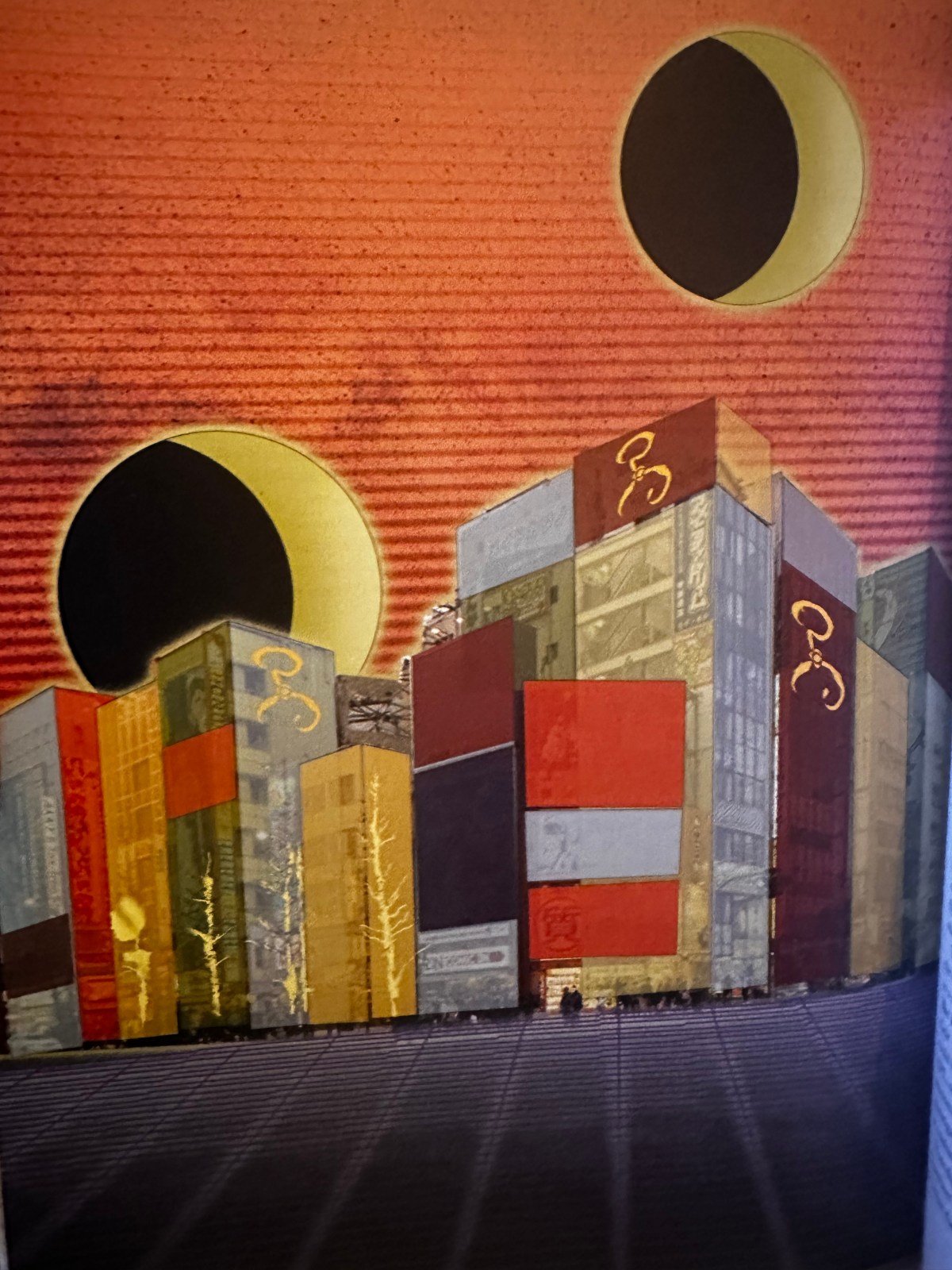
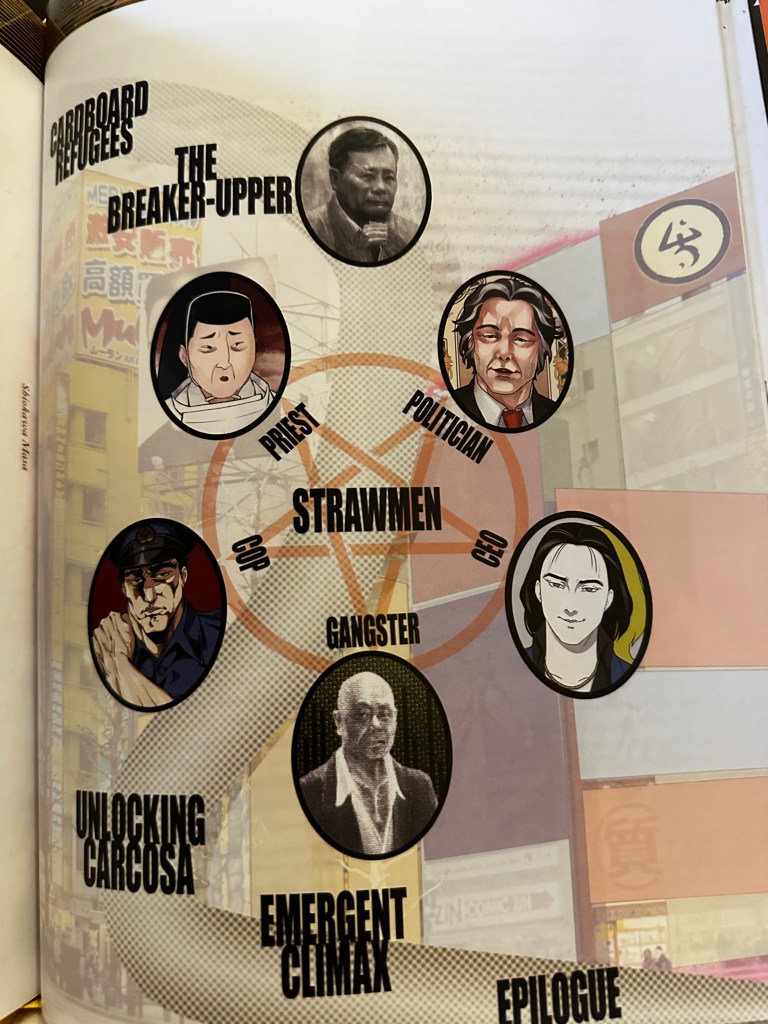
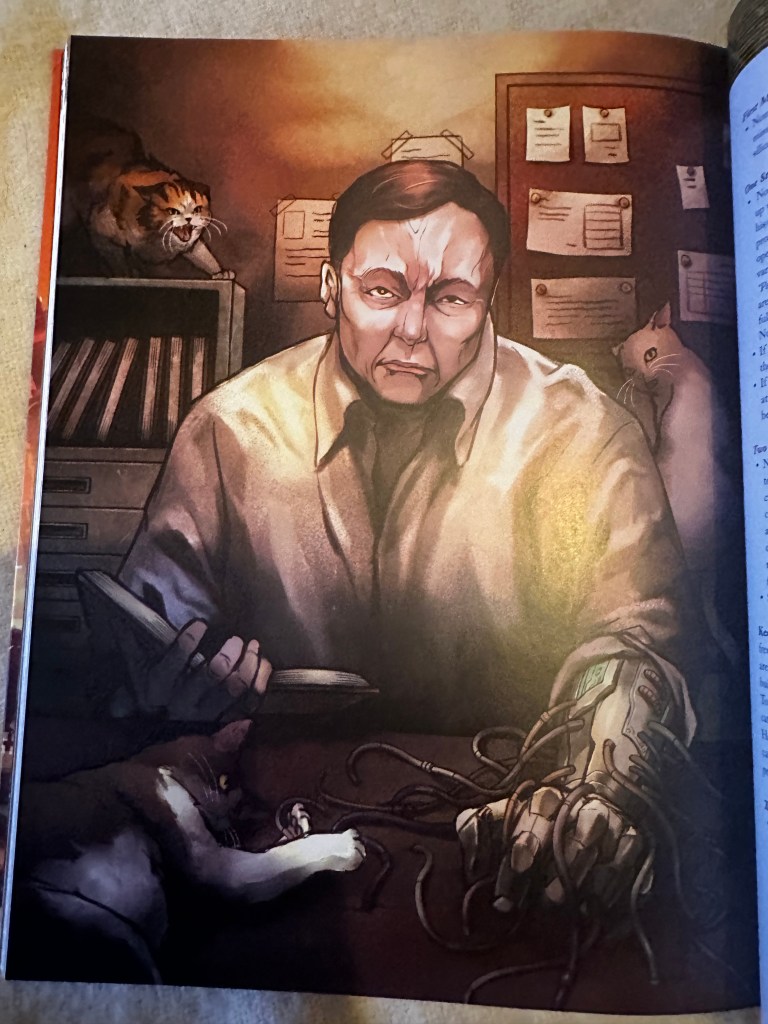
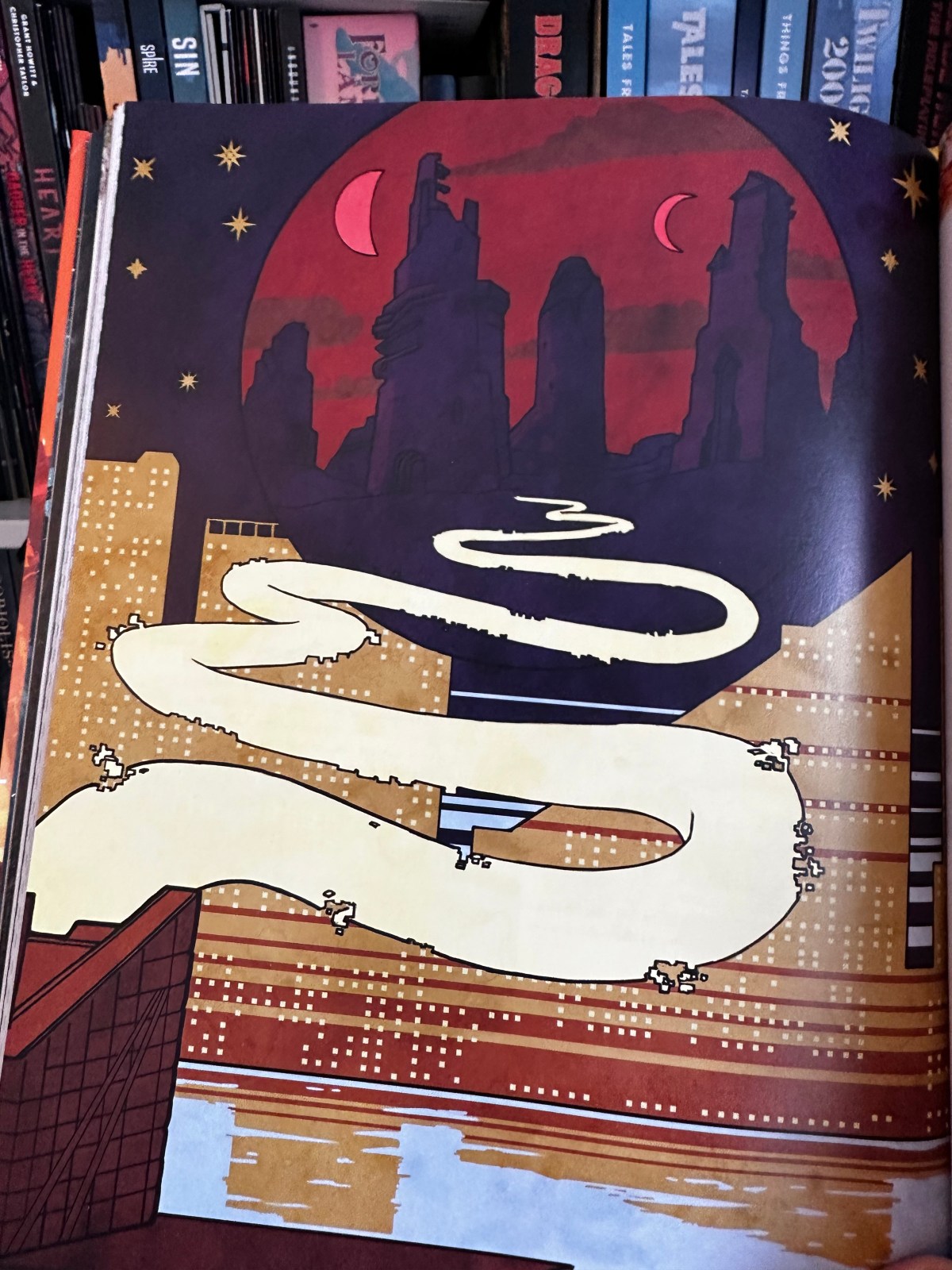
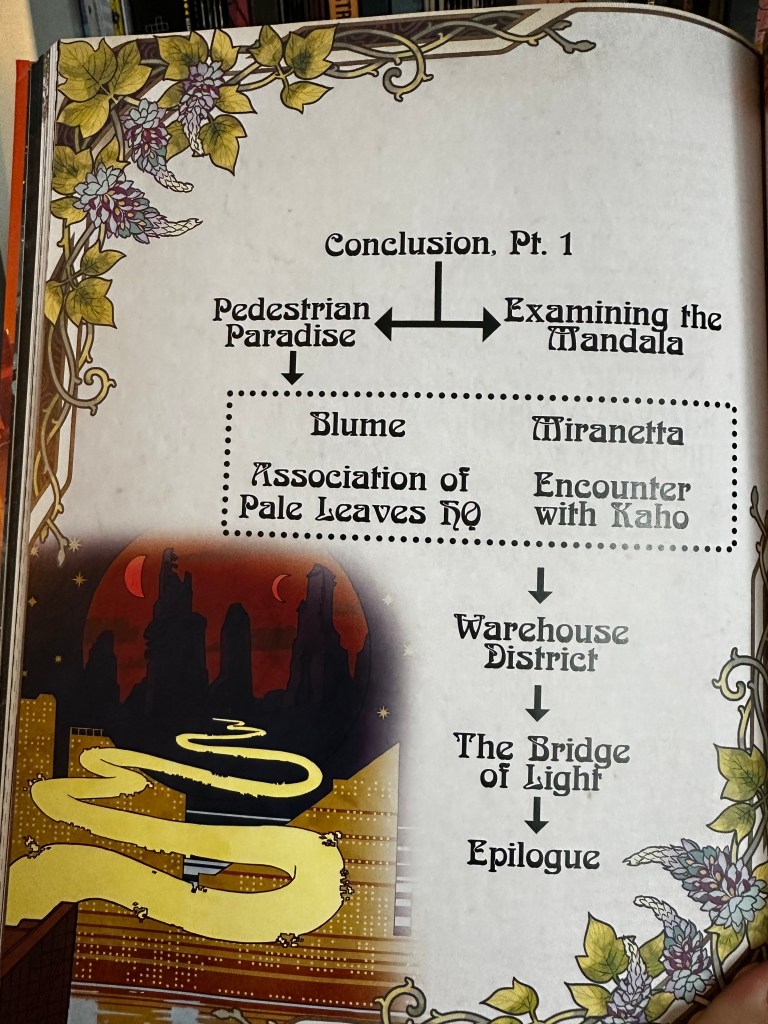
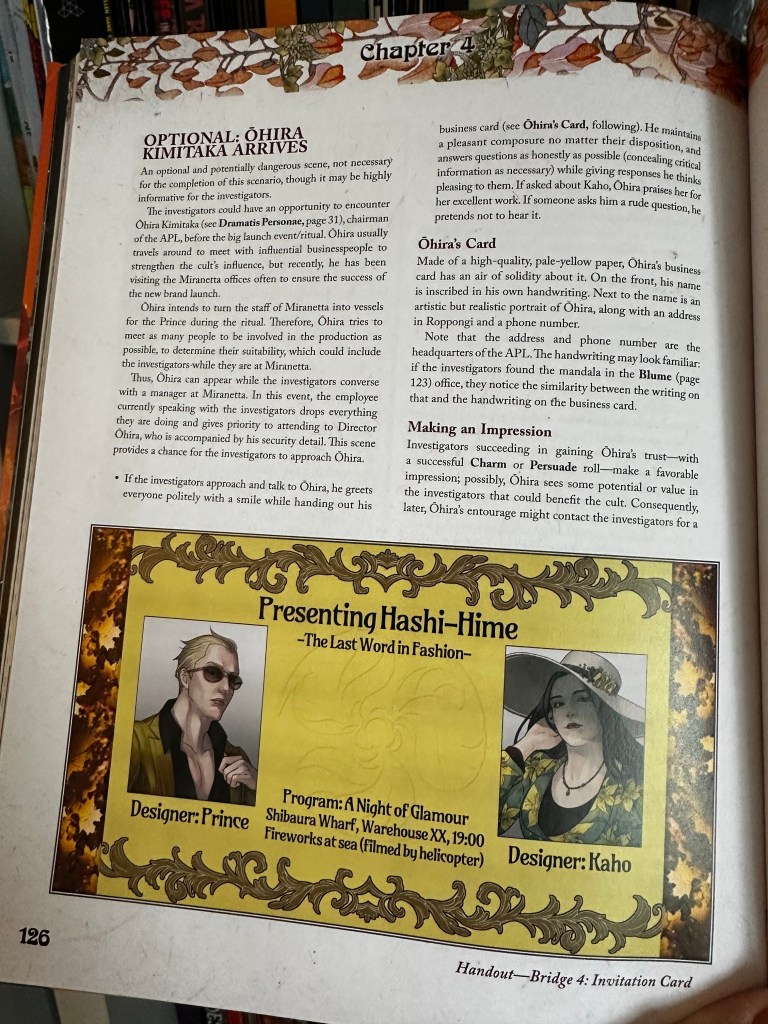
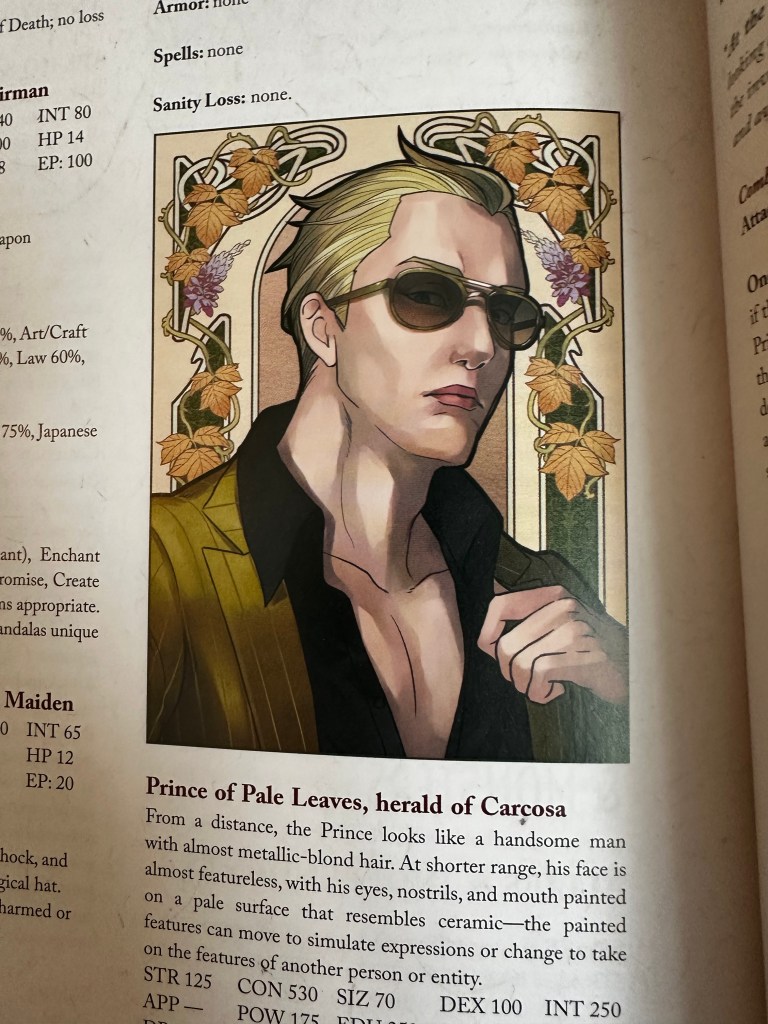
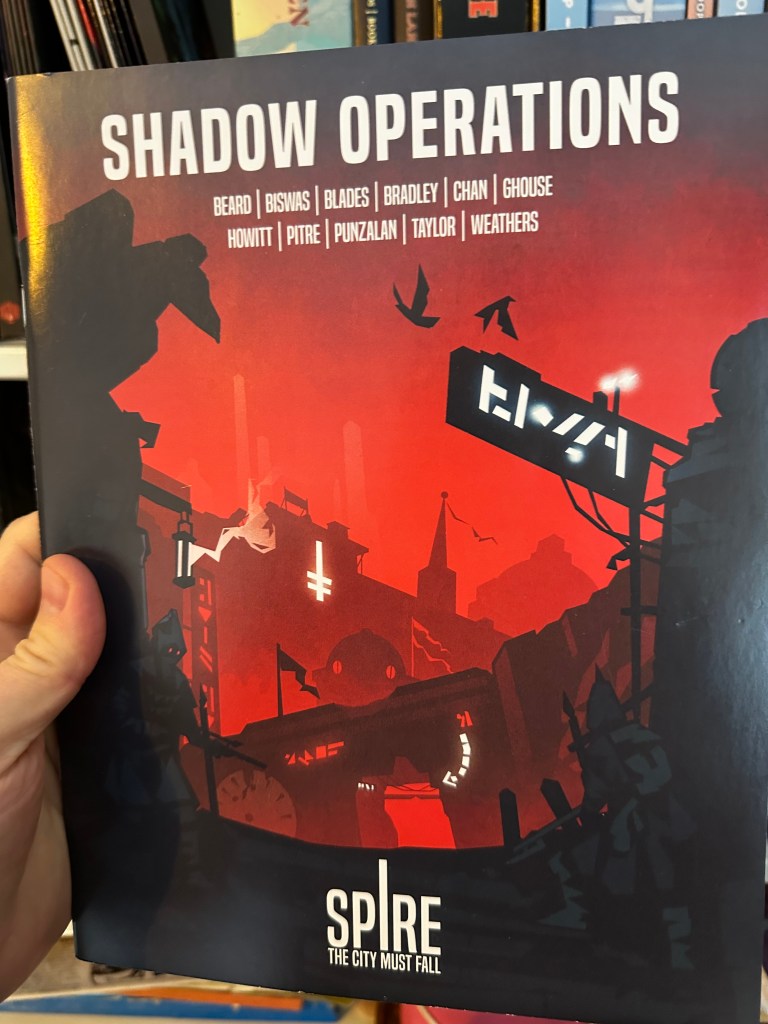
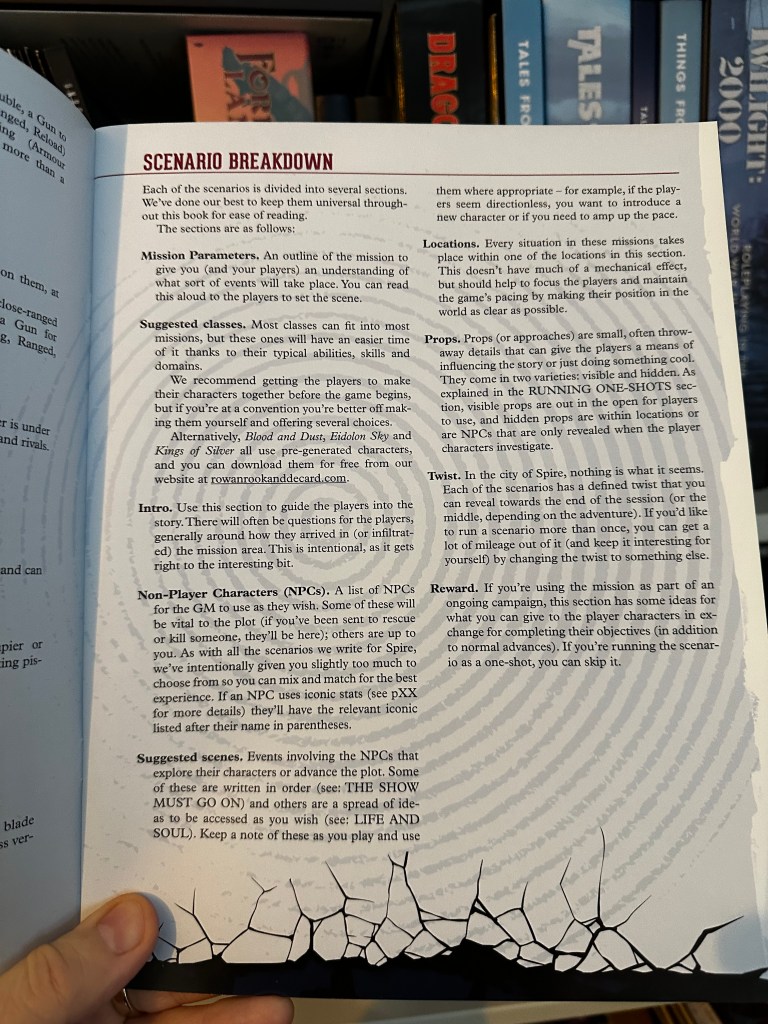
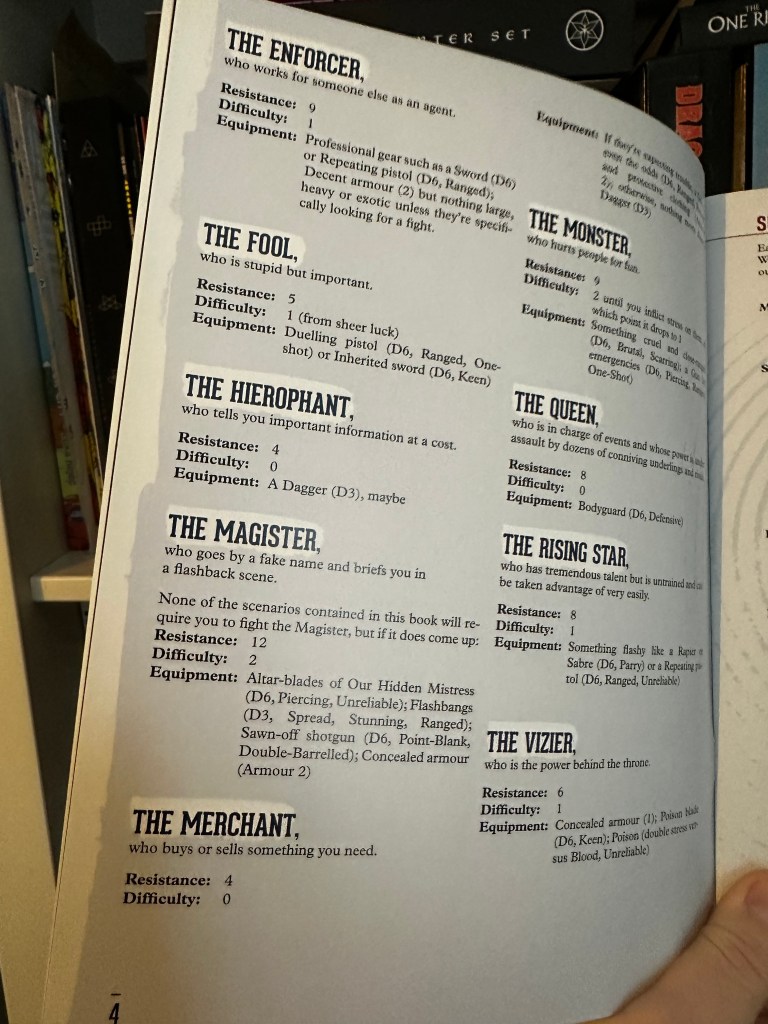
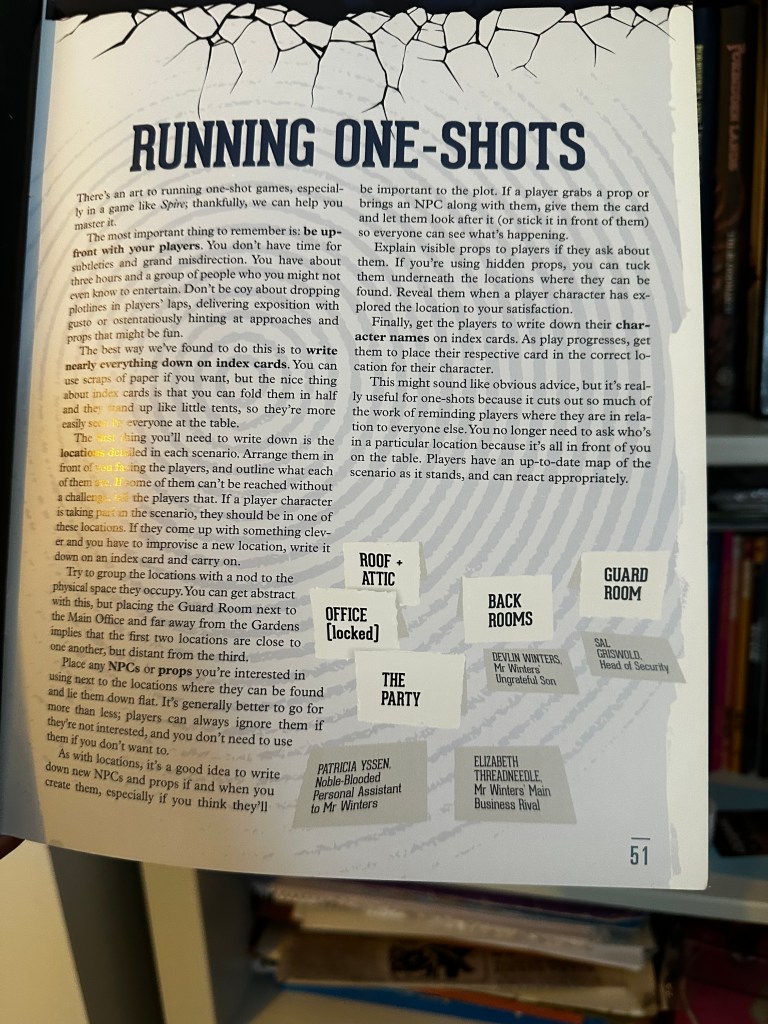
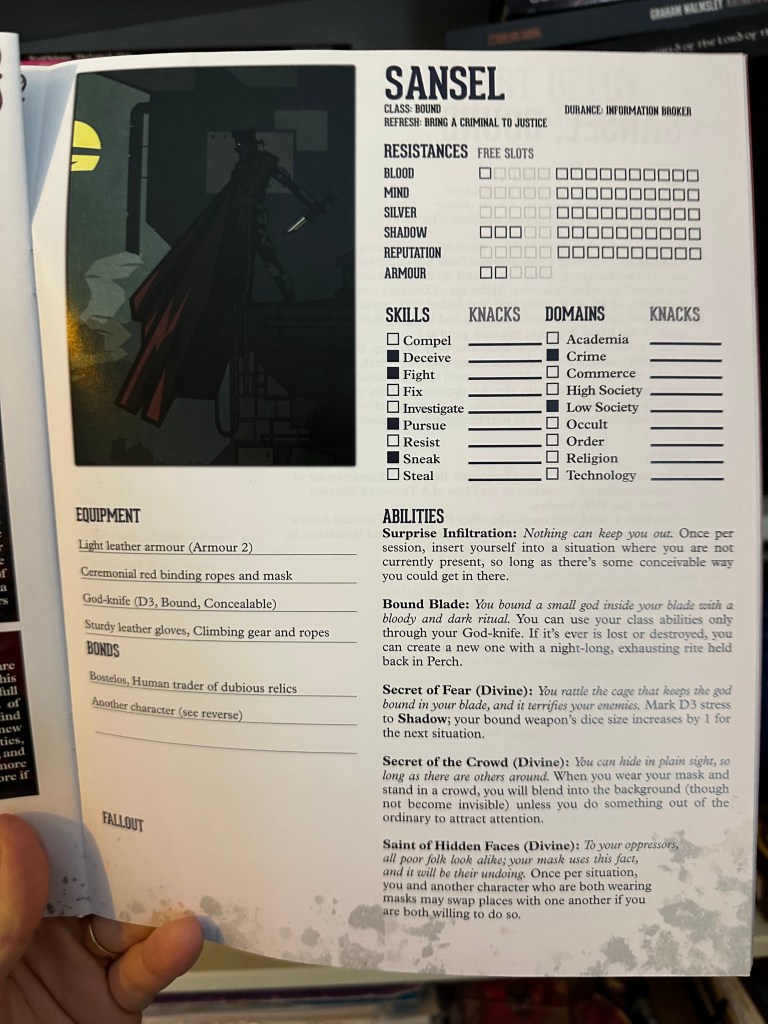
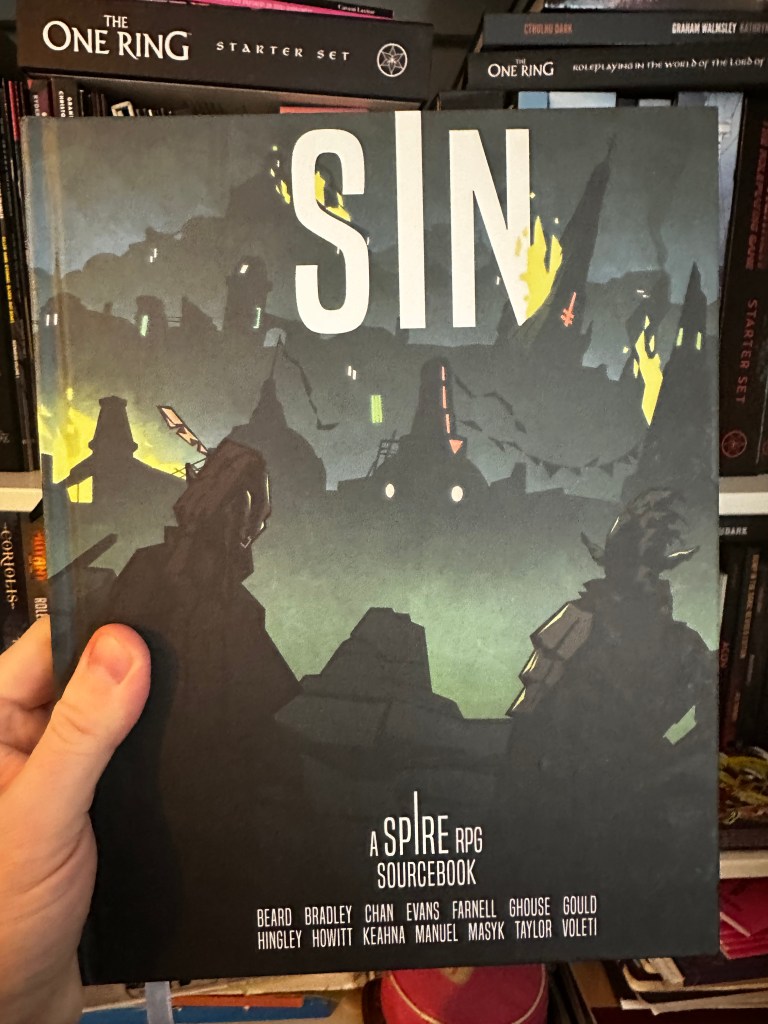
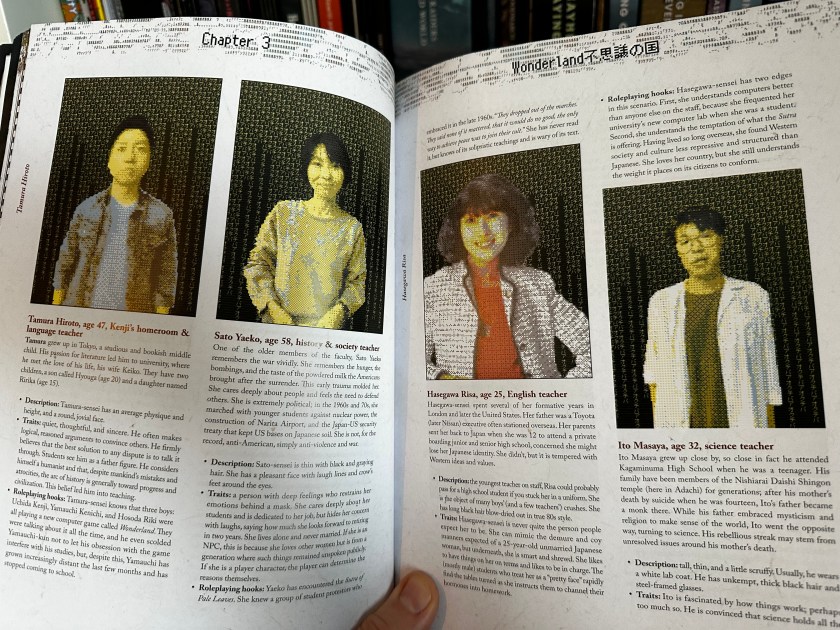
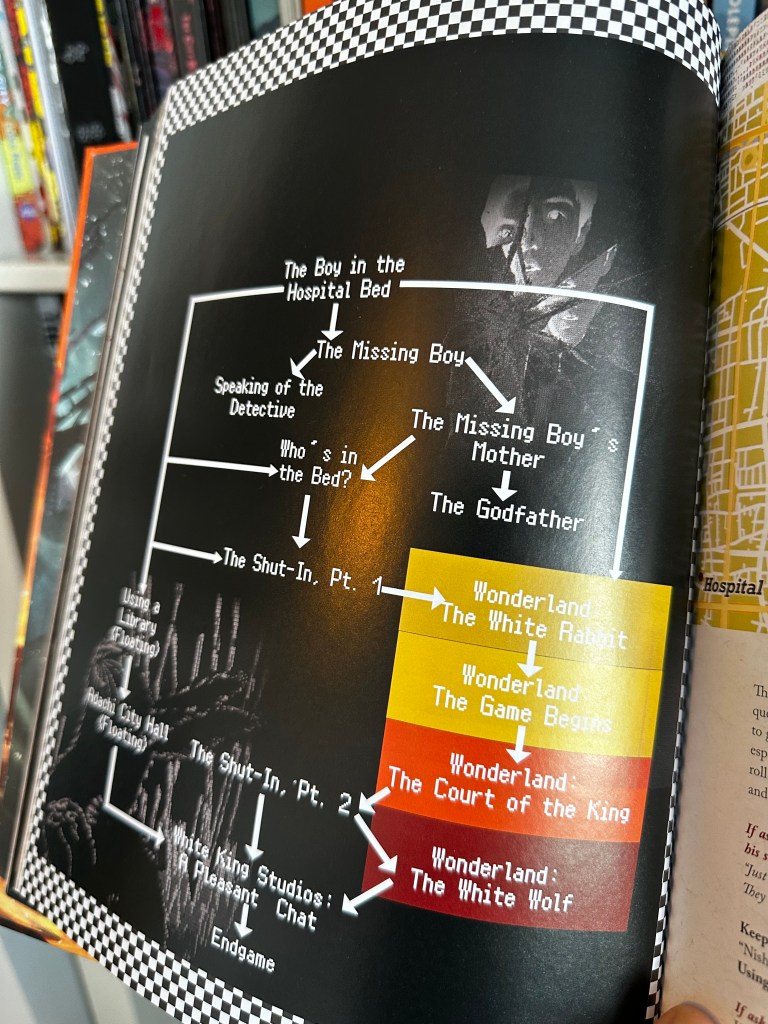
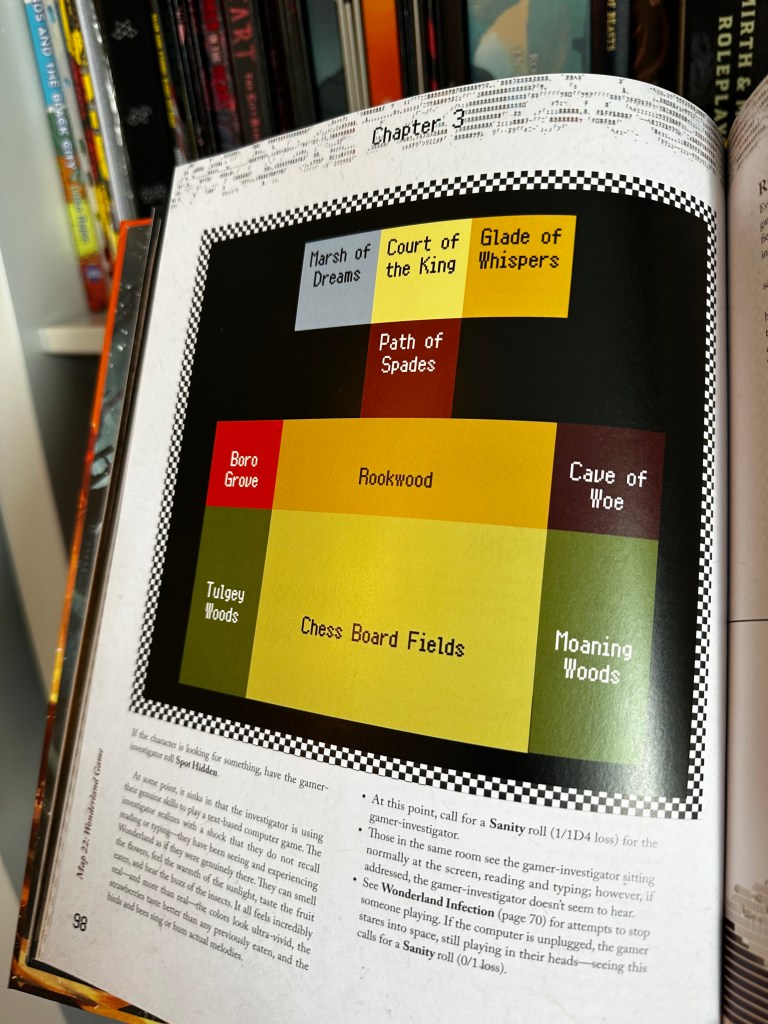
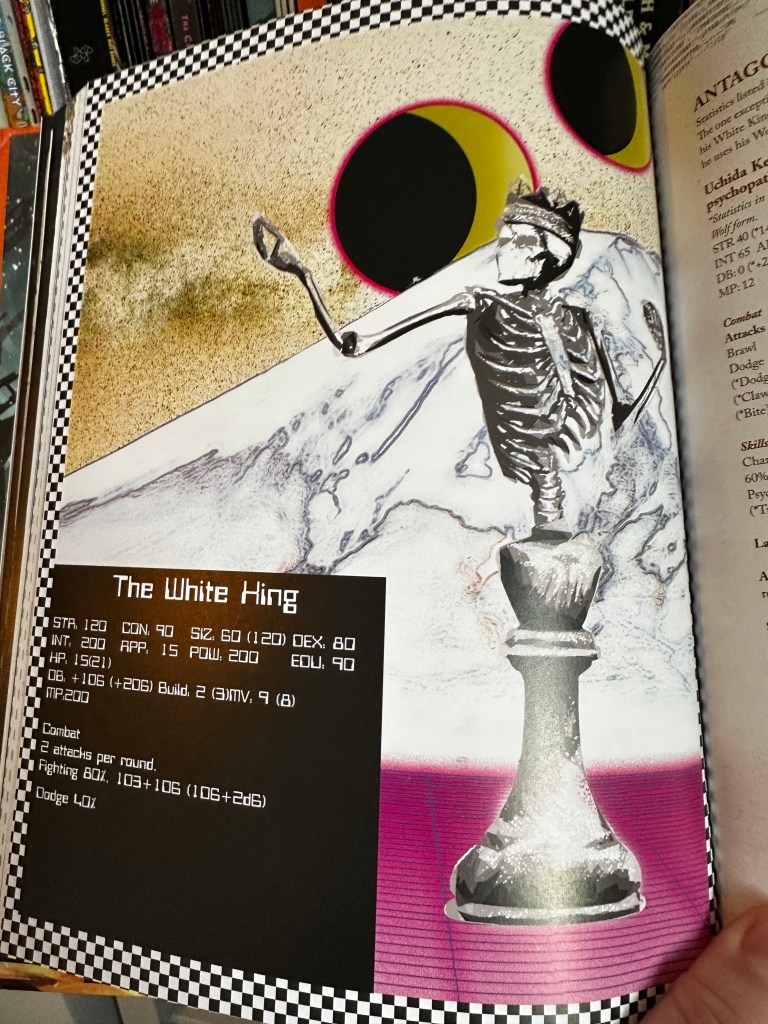

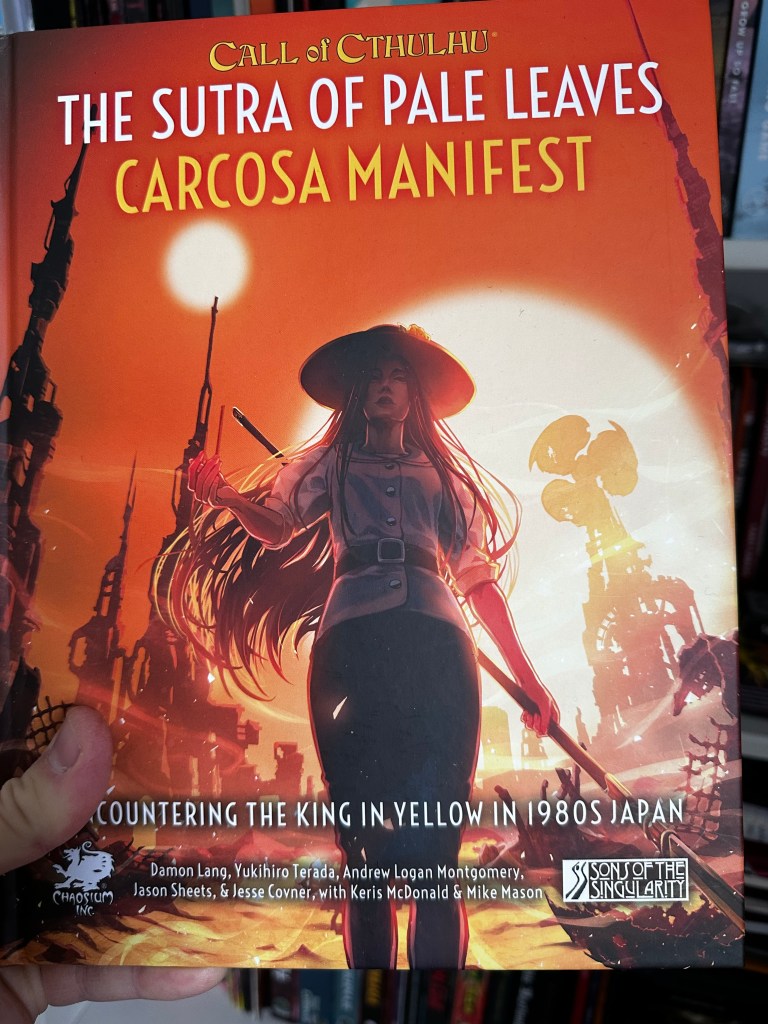
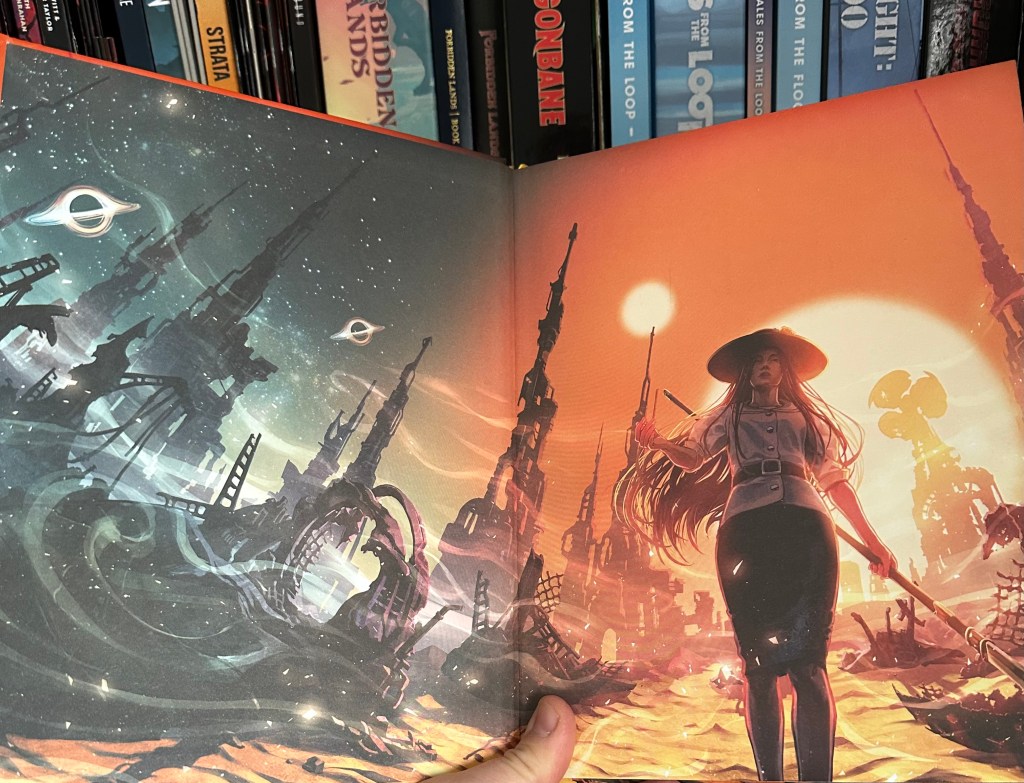
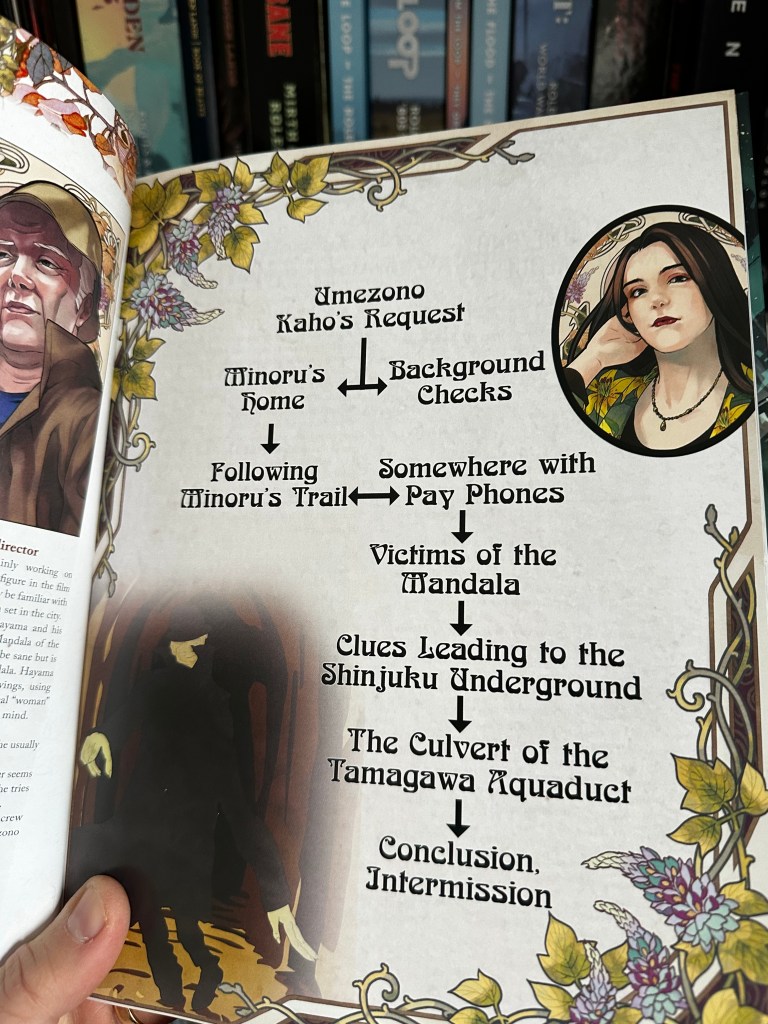
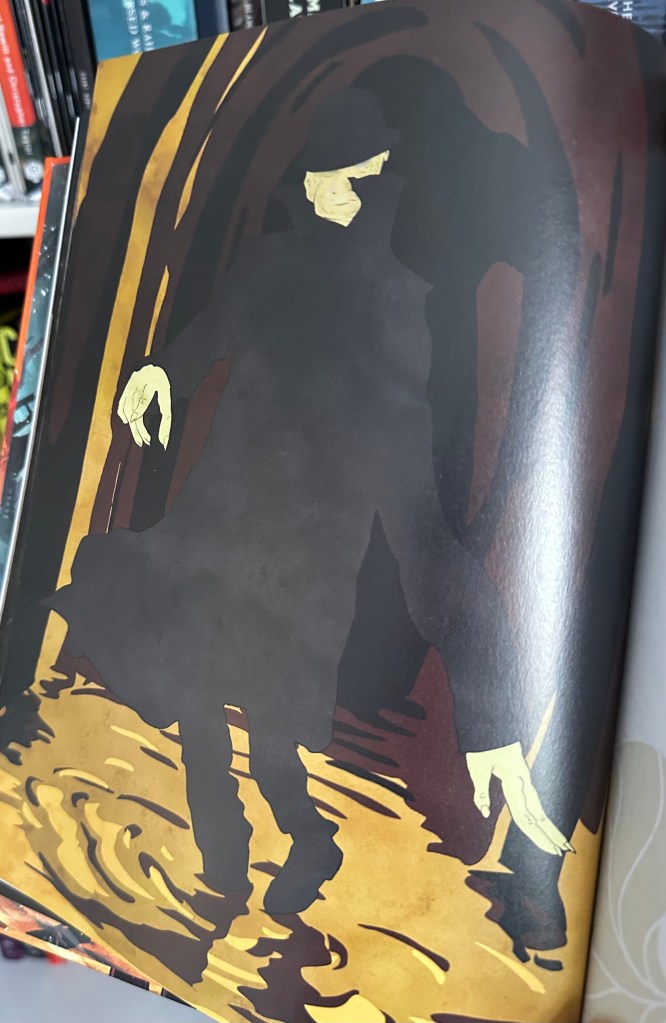
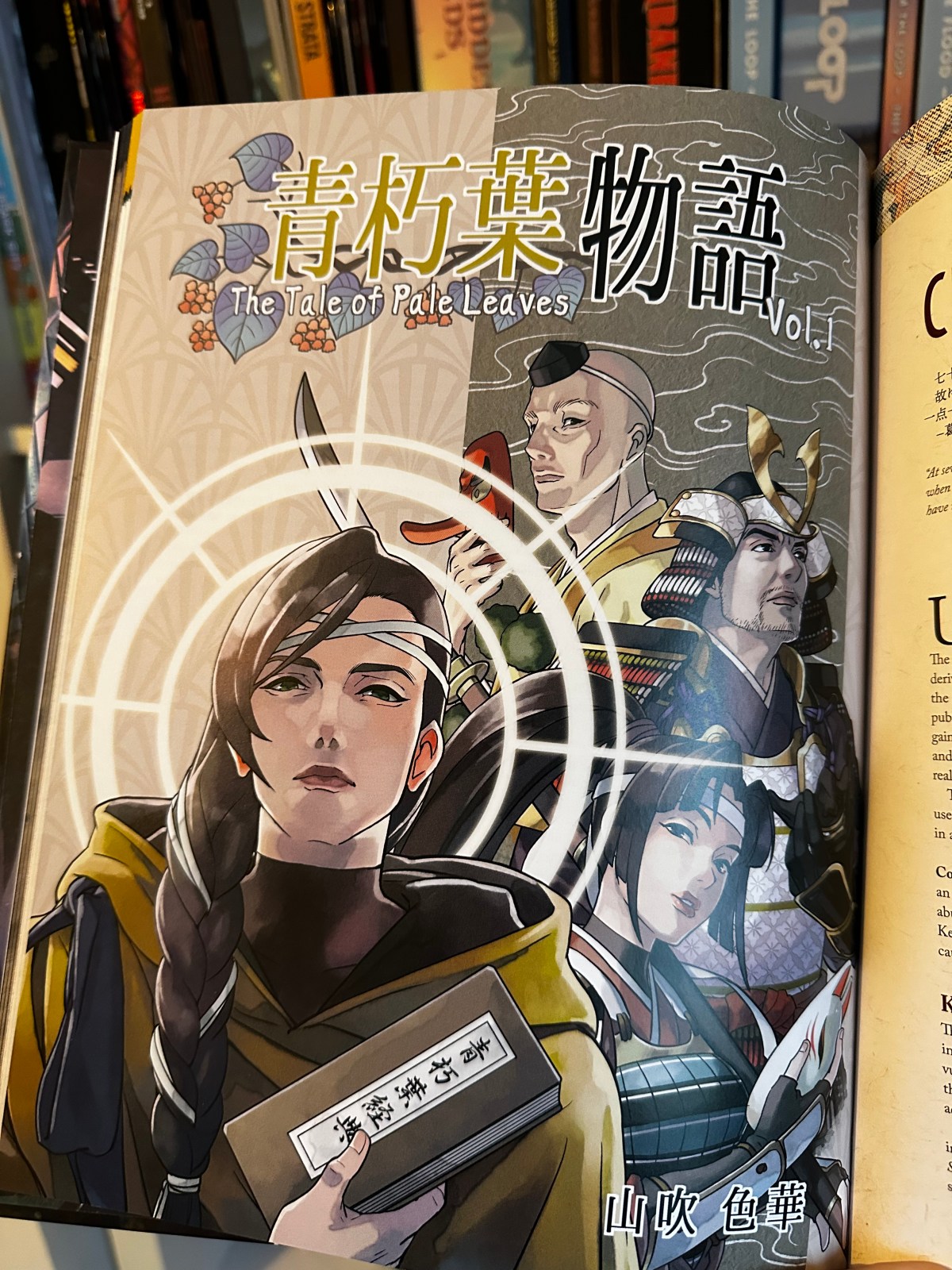
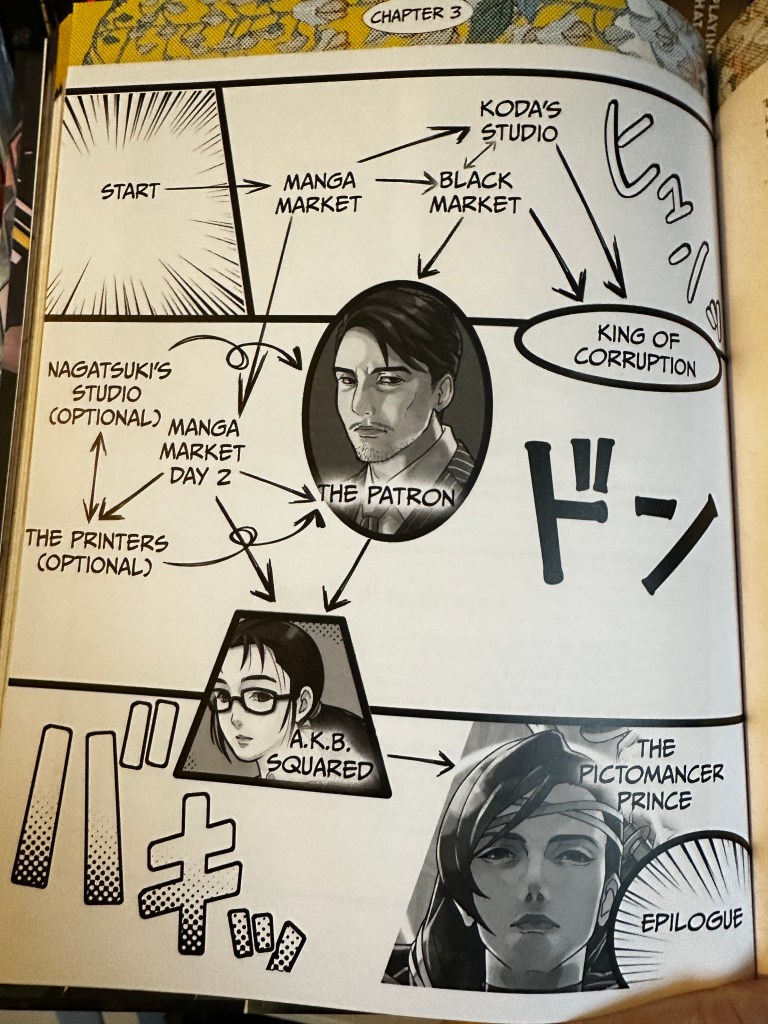

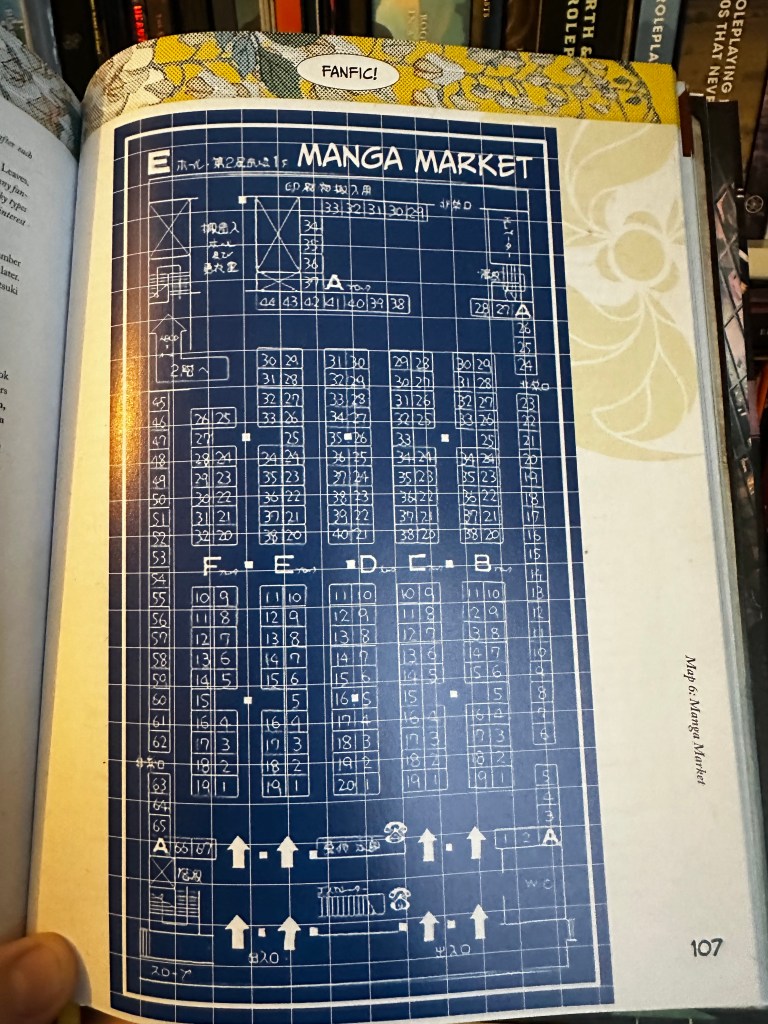
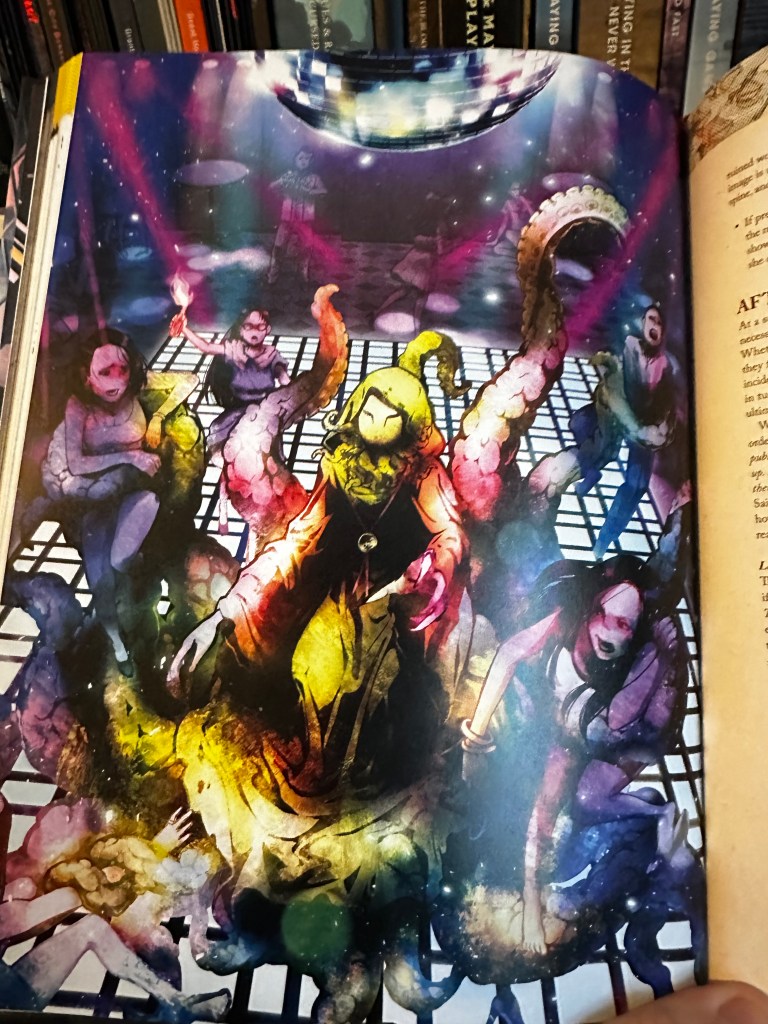

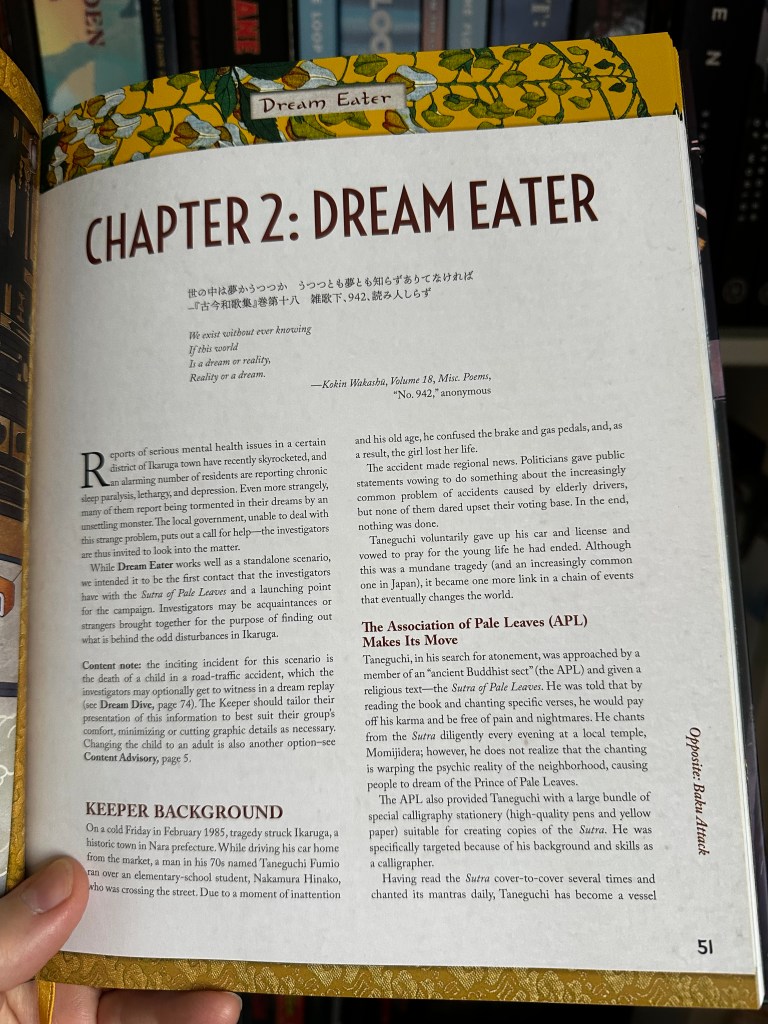


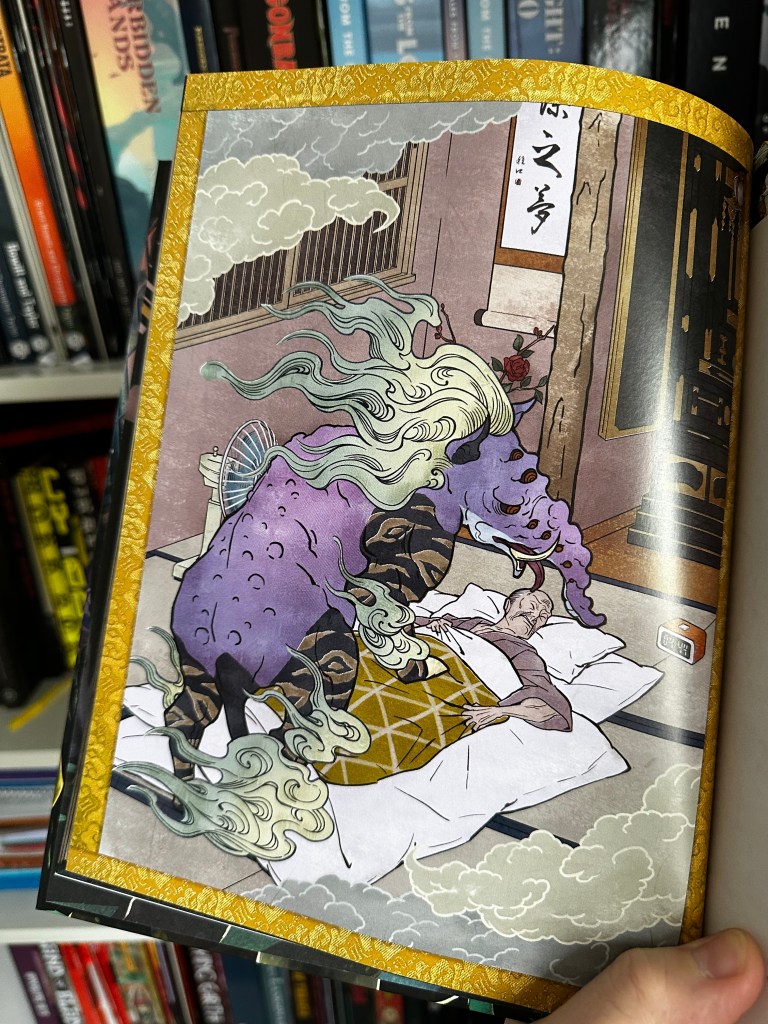



 The Dice Pool