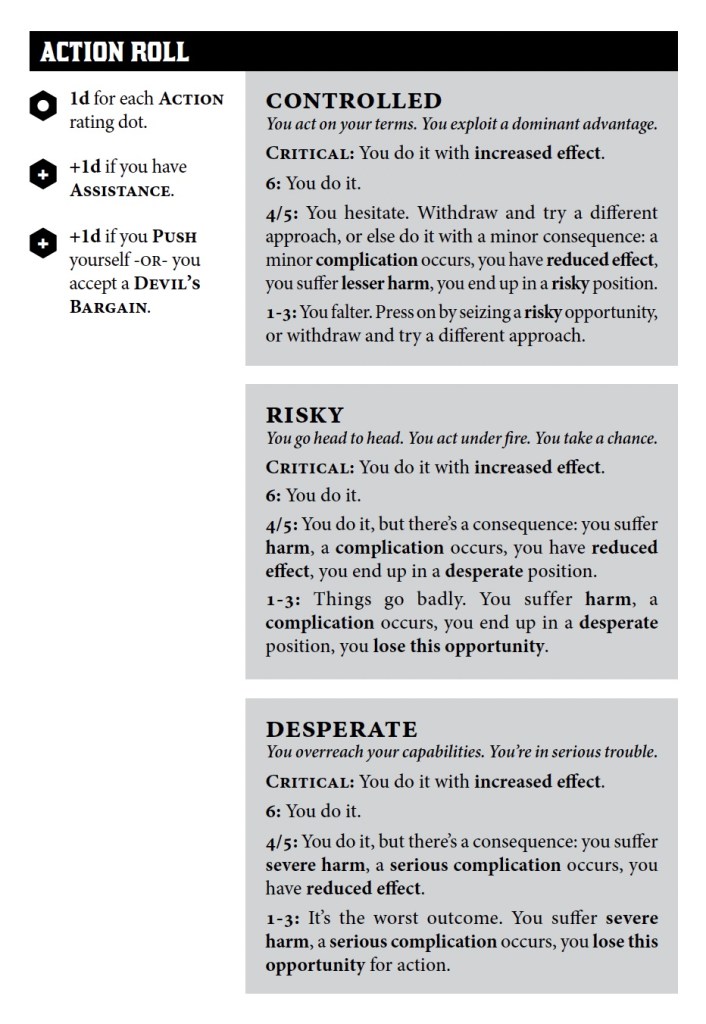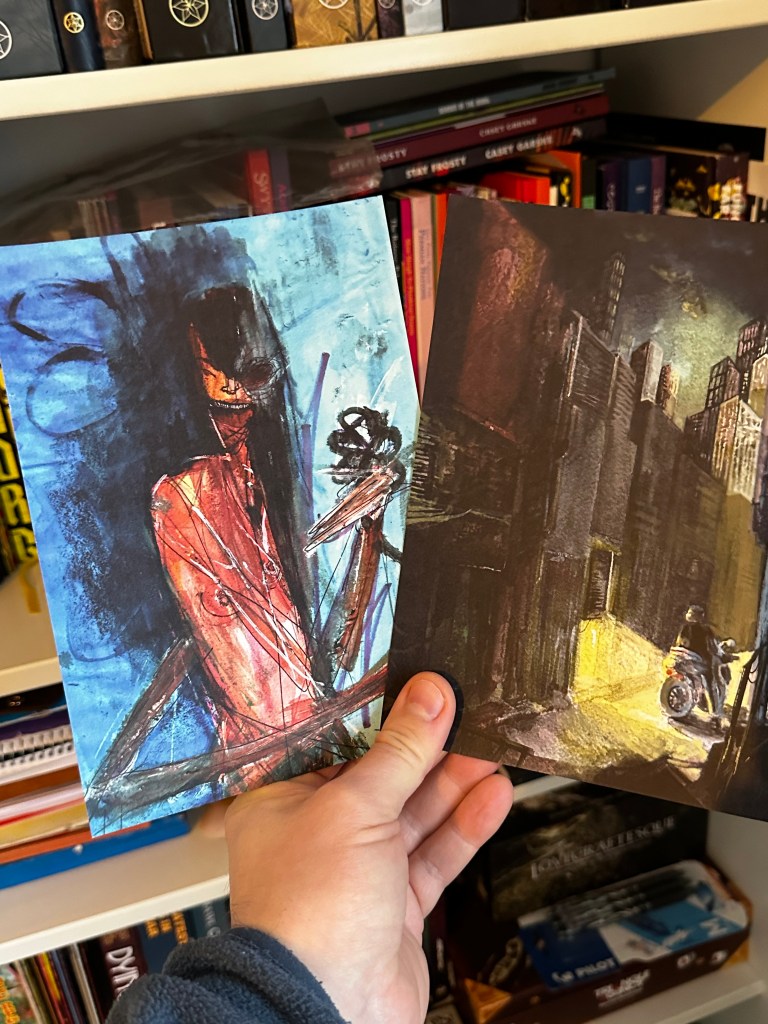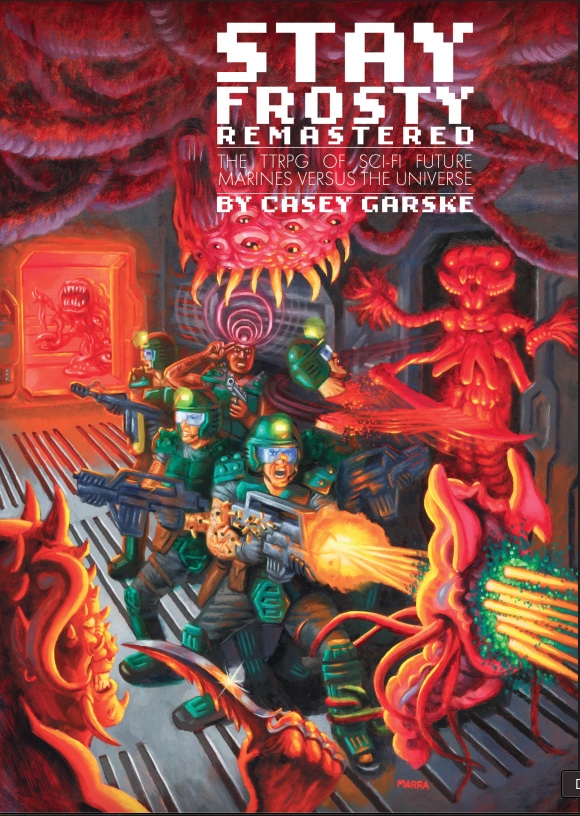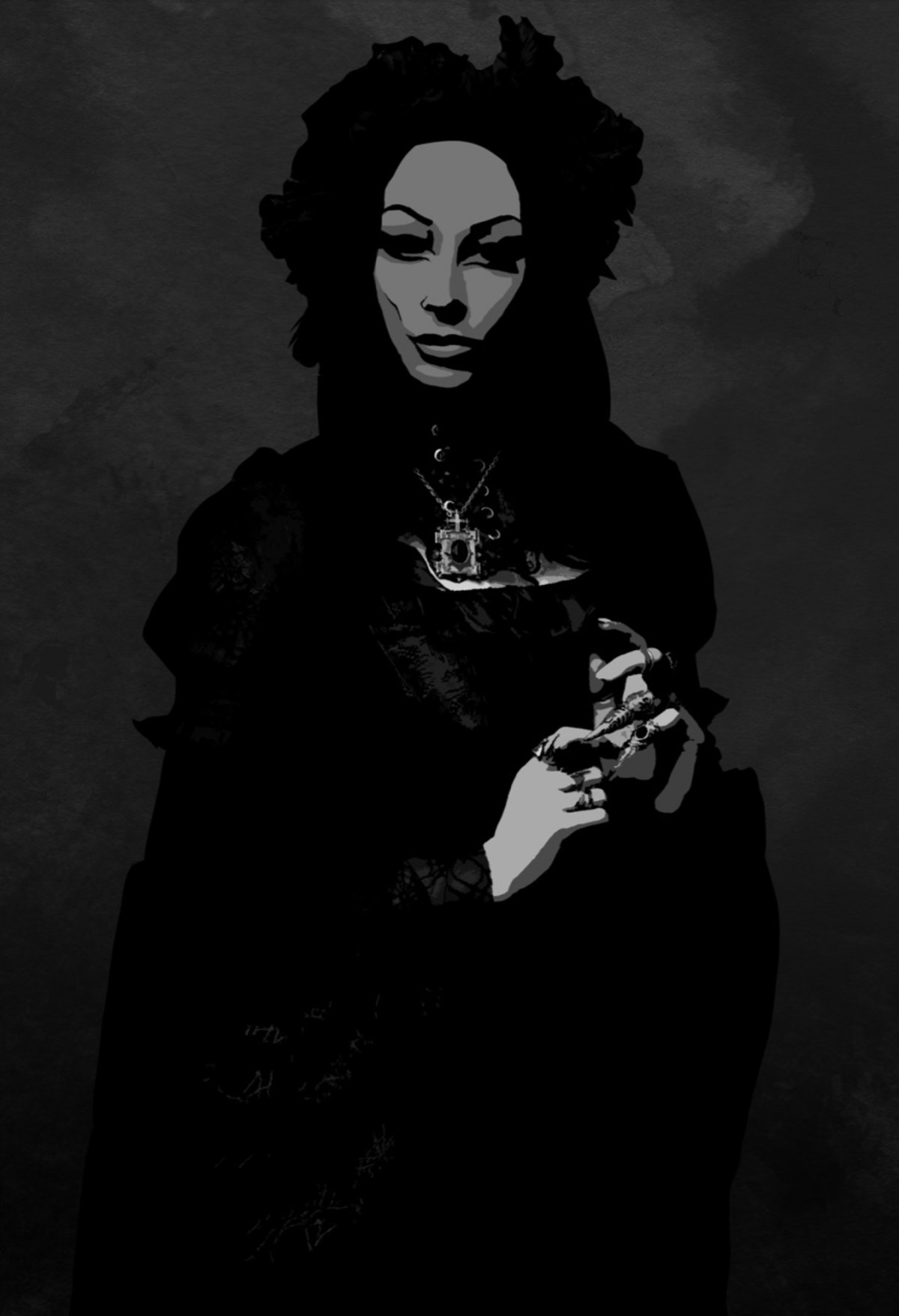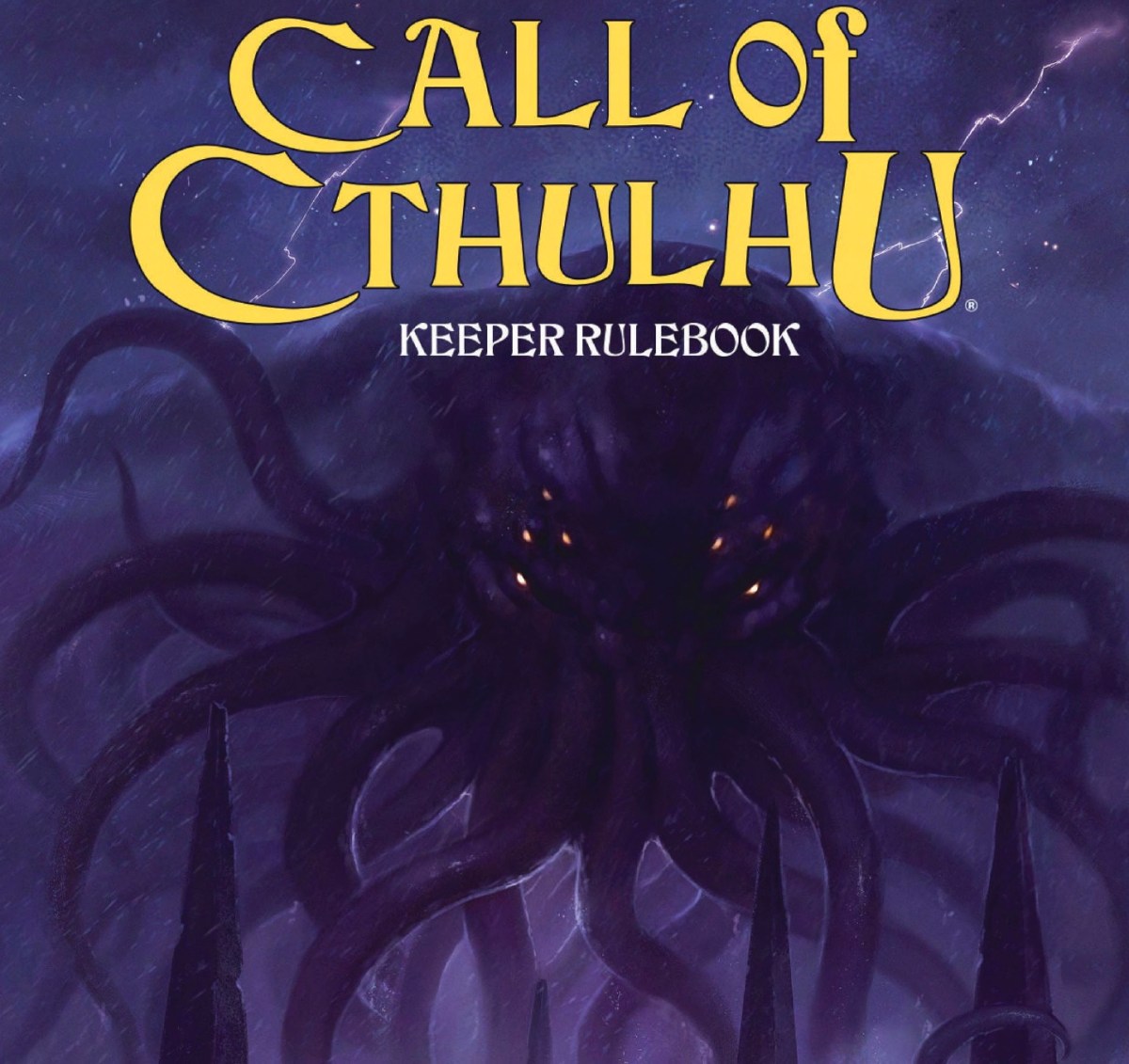
Instead of a new post, please enjoy this one from last August. It deals with beginnings and how to manage them in RPGs. Its got some advice I must take into account as I embark on my recently decided upon campaign of Blades in the Dark.
A Short Rest
Once again, dear reader, I find myself a little under the weather. Maybe I just overindulged at the weekend, maybe I have been working too hard, maybe it’s the current wave of ‘rona. Whatever it is, I feel like I’ve been struck by a nasty disease and I failed my resistance check/saving throw etc. etc. So, I’m taking a break today.
Instead of a new post, please enjoy this one from last August. It deals with beginnings and how to manage them in RPGs. Its got some advice I must take into account as I embark on my recently decided upon campaign of Blades in the Dark.
From each genre, I’ll take a look at the games, their appeal, and, of course, their character creation posts to eliminate some. Hopefully, once I’ve done that, I’ll be able to come to a well-informed decision.
Decisions, Decisions
So, the characters have been created, the conclusions have been drawn, I am as familiar with the 7 games on offer as I’m going to get before actually playing them—its time to make a decision.
Before getting to that, though, I think it’s worth pointing out that this is, far and away, the most effort I’ve ever put into a decision of what game to play next. Since starting to write this blog I’ve spent a lot of time and not a little cash on new games. I’ve never had so many to choose from before. And I’m not even including the ones I’ve only got in PDF form. Long ago, as a teenager, I actually did run a variety of games; AD&D, of course, but also Gamma World, TMNT and Other Strangeness, Beyond the Supernatural, Robotech, Shadowrun. Back then, I just wanted to run the newest thing, the shiniest game, whatever had the bulk of my attention. But, I didn’t have so many to choose from, of course. There was no such thing as buying a game and never running it! I didn’t have that sort of money! These days, we are living in a golden age of tabletop games. There are so many RPGs of so many genres, utilising such an array of play styles and rulesets that it can be bewildering, overwhelming and paralysing. So, as I sail out of my majority-D&D era, navigate my way through the OSR and explore the unknown waters of the story-game, I have found this process incredibly helpful, if time-consuming. It has also been educational, interesting and fun. But there’s another aspect to this too: whatever game I choose, it’s one that my players and I will be with for weeks, hours of play and hours in between sessions thinking about. I want that to be good, or, hopefully, great!
The Competition
There are seven games to choose from, as laid out back in the original post. I could just take them one by one, as I did when writing their character creation posts, but, instead, I will separate them into genre groups. From each genre, I’ll take a look at the games, their appeal, and, of course, their character creation posts to eliminate some. Hopefully, once I’ve done that, I’ll be able to come to a well-informed decision.
Supernatural Investigations
The cover of Triangle AgencyThe cover of Apocalypse Keys
We’ve got two games in this genre (I suppose this is more a of a sub-genre, but heigh-ho, it’s my blog-post.)
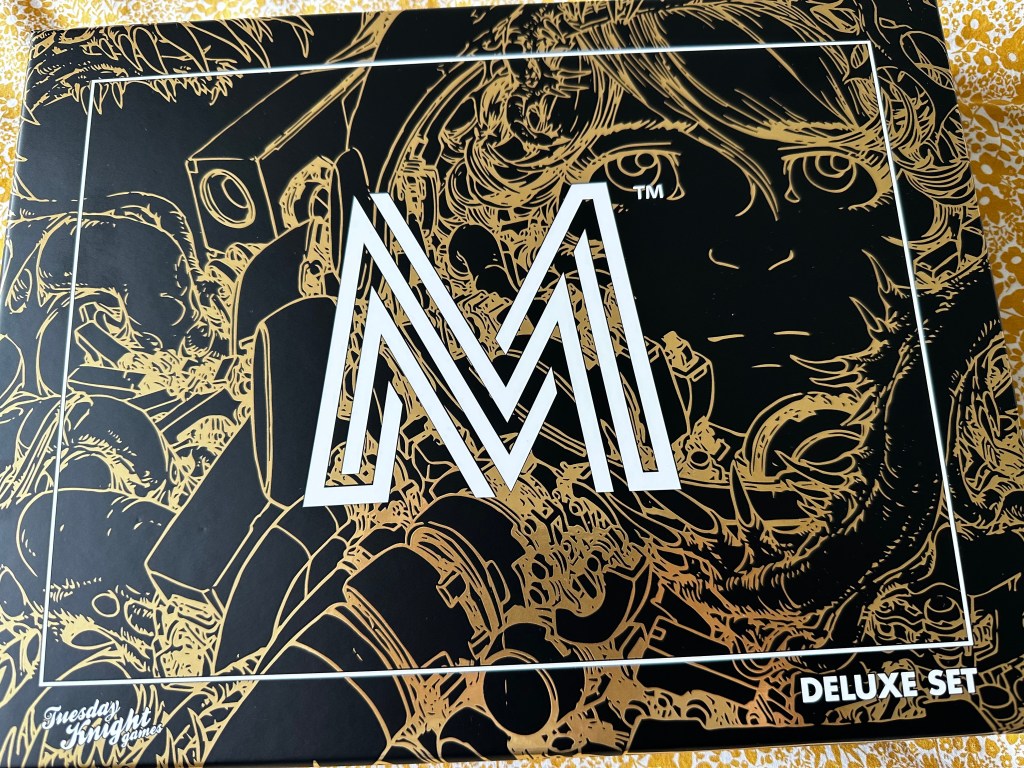
Triangle Agency – this was the first character creation post I made as part of this series. I think, at the time, that was because it was the game I was most interested in. It didn’t hurt that it came in a very impressive box. The presentation is altogether impeccable. This applies also to the text itself, which styles itself as the manual to a game to be played by actual agents of the Triangle Agency. The character creation process taught me a lot about how the game would be played and was particularly successful at making, not just a character, but a personality, history and motivation.
Apocalypse Keys – this, was the last of the character creation posts I did. I’m going to cut to the chase with Apocalypse Keys; I don’t think it’s for me. It might suit some of my players, but not others. I would rather the Triangle Agency’s tongue-in-cheek take on the genre than the melodrama inherent in Apocalypse Keys.
Triangle Agency wins!
Fantastic Voyages
The cover of the WildseaThe cover of Orbital Blues
I’m stretching the term ‘genre’ here once again. But I’m adding two games to this one anyway. Both of these involve ship creation as part of the character creation process, and a crew of misfits to go with it.
The Wildsea – Its got a fascinating setting, a rich and engrossing vibe and a beautiful presentation. This is very much a fantasy game that’s determined to get you into trouble out on the emerald waves of the Wildsea. You will spend a long time making your character, as evidenced by the length of my character creation post. There are many, many choices to be made at every step and that doesn’t even take into account the ship creation process. For the campaign I’m imagining, a maximum of about ten sessions, I feel like this is too much. I’d rather spend the time playing than making Wildsailors. But, its definitely one that I might return to someday.
Orbital Blues – This is a game set in a far flung future where everyone has spaceships but its grimy, debt-ridden and kind of sad. Its a game that’s underpinned by themes that we can easily all understand, the hell of living in a late-stage capitalist economy, the mental health toll taken by the struggle to just survive from day-to-day in the gig economy etc. The character creation really stoked my imagination and conjured images of my sad space cowboy. And it was the exact opposite of the Wildsea in that it was just so quick and easy.
Orbital Blues wins!
The Others!
Blades in the Dark Front CoverDeath Match Island Front CoverSlugblaster GOTY boxed set cover
I gave up trying to come up with a way to link these final three games. Slugblaster and Blades in the Dark share a system, sort of, and Deathmatch Island is based on a system that was originally created by the author of Blades in the Dark, but that’s pretty tenuous. They all do have an important similarity in the way they are played in distinct phases, though.
Blades in the Dark – This is such an iconic game and its the favourite of many an RPG enthusiast whose opinions I respect. The vibes of Blades are also perfect. Dark city, supernatural threats and heists. I think my players would love that shit. Also, the character creation is comparatively straight-forward and gives you a good idea of your character before you even start playing. This is the only game on the list that I have actually played before and, I’m not going to lie, it has an advantage because of that.
Deathmatch Island – This game is on the list because I finished a rewatch of Lost this year and because I backed it and got a lot of really cool materials for it. But it has so much more to recommend it. The premise is great, the fundamental decisions your characters have to make about the nature of their realities are compelling and the rules are simple enough to require very little time to master. However, its strength in this respect is also a weakness. I think I could easily get a small group together at short notice to play this game as a one-shot or very short campaign and I might consider it for that. But I’m not sure I want to run it for longer. Which is pretty much the conclusion I came to the first time I looked at it on this blog.
Slugblaster – Another gorgeously presented book. It has world-building oozing from every paragraph, illustration and fictional ad. The subject matter is not quite my bag though. I have no idea about skater culture. Although I am inspired by many of the touchstones Mikey Hamm names for Slugblaster, it doesn’t seem quite enough for me, I’m afraid. I also had some issues with the character creation process which I went into in that post. Maybe I’ll come back to this one someday. But, for now, it’s a no from me.
Blades in the Dark wins!
The Semis
Nice One IdiotThe Lurk playbook in Blades in the DarkHeart and Blues, Gambits and Troubles
I’m glad to be dealing with a semifinal now after Ireland went out of the Women’s Rugby World Cup in devastating fashion at the quarter final stage earlier today. We’ll see a semifinal one day!
Anyway, we have three games left:
Triangle Agency – A unique take on the genre of supernatural investigation with an original ruleset and a lightly comedic vibe
Orbital Blues – A space cowboy sci-fi game of disillusionment with the universe and characters who grow through expressions of depression as they journey through the stars
Blades in the Dark – a classic supernatural, victorian heist game that has launched a thousand other games.
I have to eliminate Orbital Blues here. This is a bit disappointing, to be honest, but I have a good reason. I’m already running a Spelljammer game at the moment, as well as Ultraviolet Grasslands. That’s a lot of journeying from one place to another in a ship/caravan. I don’t want to start a new game with a similar format. Maybe if and when either of those two games comes to a conclusion, I’ll come back to Orbital Blues. But for now, it’s got to go, I’m afraid.
The Final
The Triangle Agency Normal Briefcase EditionThe cover of Blades in the Dark
So we have two games to choose from in the end, as it should be.
Triangle Agency
Blades in the Dark
I can’t choose between them. I’d be very excited to run either one. If I could find the time, I would run both. If I could find the time, I’d run every game on this list! But as they say in Highlander, there can be only one. Fittingly, It’s going to come down to a dice roll. 1d6. 1 to 3, its Triangle Agency, 4 to 6, Blades in the Dark.
Here we go!
Its a 4!
It’s time to sharpen your blades and take that Devil’s Bargain with the rest of the crew. We’re off to Doskvol…
it has a very specific flavour. The PCs are monsters in the vein of Doom Patrol or the X-men. There is a lot of significance to the emotions of the characters and there is a fair bit of angst and drama involved from what I can tell.
This is the eighth in a series of character creation posts I’m using to figure out which game I want to schedule for our next campaign. You can find the Triangle Agency one here. And you can find the Slugblaster one here. You can find the Blades in the Dark one here. We took a slight detour for this one, here’s the Wildsea Ship Creation post. And then got back on track with the Wildsea Character Creation post. This is where you can find the Deathmatch Island one. You will find the Orbital Blues character creation post here. Back in this post I named Apocalypse Keys as an outside contender for the new campaign. This will be the last post in the series so I’ll be forced to make a decision on the next campaign soon.
DIVISION and Conquer
The illustrations of each of the Playbooks all together.
Apocalypse Keys by Rae Nedjadi is a Powered by the Apocalypse game in which you play members of a super-team of sorts. You are wielded like weapons by a shadowy organisation called DIVISION (which is an initialism, kinda like S.H.I.E.L.D.) in an effort to prevent apocalypses. How? Well, you gather Keys, which are essentially clues you will use to find and open Doom’s Door before the bad guy can. The bad guys are known as Harbingers and they are Omens, like you, but more world-endy.
The game is very much PBTA in its design, with a few extras. Although you roll 2d6 for most things, if you roll an 11 or higher, you overshoot, you blow the whole warehouse up instead of just the gates, your powers leave the security guard a blubbering mess instead of just plucking some thoughts from his head, you get the idea.
Also, it has some Carved from Brindlewood flavour to it too. The Keys you gather improve your chances of finding the Doom’s Door you’re looking for. For each one you get, you increase your chance that the theory you have come up with is correct and you know where to find it.
Ruin seems to have been taken from Trophy. Although it’s used a little differently. As you gain it, you get closer to becoming one of those bad guys, the Harbingers. It can also give you special Advances (abilities.)
One last thing: PCs gain Darkness Tokens as they make particular types of narrative choices that align with the emotional themes of the playbook. You spend these tokens to give you modifiers to rolls.
I think it’s important to know these things as we go into character creation for this game. Also, it has a very specific flavour. The PCs are monsters in the vein of Doom Patrol or the X-men. There is a lot of significance to the emotions of the characters and there is a fair bit of angst and drama involved from what I can tell.
Creating Monsters of DIVISION
The book provides us with a step by step guide to character creation which I love to see. It was something I missed from the process in Orbital Blues. Lets take a look:
Step 1: Choose a Playbook
Step 2: Bring Your Character to Life
Step 3: Refine Your Abilities
Step 4: Introduce Your Character to the Other Players
Step 5: Create Your Starting Bonds
As this is purely an exercise the last couple of steps probably won’t happen.
Choose a Playbook
Like other PBTA games, you choose a playbook to get started. Your character might decide to switch playbooks further down the line, depending on the narrative choices that are made at the table but most are likely to select one and stick with it. It’s like a character class in other games.
Here are the available playbooks in Apocalypse Keys:
The Summoned: a being summoned from another place. Violent, aggressive, antagonistic to prophecy, wants love more than anything
The Surge: Massively powerful but not in control. Wants help to contain it. “Explosive, uncontrollable and alienating.” Friendly fire and collateral damage and toxic relationships are the themes
The Found: Psychic amnesiac. They are very odd, but curious and highly emotional. They can have surprisingly intimate knowledge of other peoples’ inner lives and thoughts but do they know what’s best for others?
The Shade: A super intellect who cheated death. Thematically, they are for players who want to forge a difficult relationship with death and struggle with the costs of great knowledge
The Last: The last of their kind from another world. “Their power is reflective, sorrowful and hopeful.” Unsurprisingly the themes here are heavy, loss, tragedy and how these things are inevitable.
The Fallen: Elements of Lucifer, a fallen angel. “Their power is intoxicating, damaged, deceitful.” Thematically, hubris, the two sides of worship and an over-riding want for what was lost.
The Hungry: It is what it says. “Their power is intimate, transformative, and harrowing.” Getting big vampire vibes here. They are looking to feed, get truly close to someone and deal with the idea of body horror, unsurprisingly.
I could roll 1d7 to pick here, but there is one I’m drawn to most. That is the Fallen. They are all pretty goth but it feels gothiest to me.
The Fallen
The Fallen illustration from the book
I am a pale reflection of the glory I once was I embody the hubris and volatility of the Apocalypse My power is faded, cracked, and deceitful My heart yearns to worship and be worshipped
Bring Your Character to Life
I’ll be using a series of prompts provided in the playbook description to do this next part.
Your Name
There are four options here:
A name god gave me with love
a name I earned through fear and terror
a name that can never be said out loud
a name you need to give someone else one day
I choose the third one, because it’s cool, honestly. The name is Duma, after the Angel of Silence. In fact, I think this character will only communicate through signing.
Your Look
There are several options here. I won’t list them all, just the three I’m taking:
a multitude of wings made of light and sound
a cracked halo that bleeds
mismatched clothing hastily thrown together
I love these touches. I imagine the halo just constantly dripping blood onto Duma’s face, forcing him to close his eyes to the horrors of the world. The wings, once flapping silently, feathery and white, now buzz and flicker like an insect’s. The clothing, whatever he could find, an old army surplus jacket, some discarded cream chinos and a pair of scuffed tennis shoes.
Your Origin
I have to choose one of these four options for Duma’s origin:
I was once a mighty god of this Earth but I was killed by my worshipers
I once claimed hell for my own but I was betrayed
I was an angelic creature destroyed by my jealous god
something else that describes how far I have truly fallen and all I have lost
It’s nice to have that last option there for anyone who has their own idea of their character’s origin. For me, though, it has to be the third one. I think Duma was silent before as a way to show his devotion to his god, but is silent now because he has vowed never to speak until he regains the trust of his god or destroys him.
Who are the Gods Who Taunt You?
I only choose one of these:
those who I betrayed seek to destroy me once and for all
ancient gods who have lost their power and ache for what is left of my divinity
twisted gods I corrupted who are now monsters of myth and legend
divine servants who grow in power as I have weakened
something else that feeds my spite and sharpens my hubris
I like the idea of other bully angels coming down to tease Duma while he seethes and silently curses them so I’ll go for the fourth one.
Your Impulse
This is an interesting departure from other PBTA games I’ve played. Usually, you have particular character goals that mostly remain static, and if you manage to achieve them in a session, you gain 1 XP. In Apocalypse Keys, you choose one of the listed Impulses each session and work to explore it. If you do, you can gain 1 XP OR 1 Ruin. I’m not going to list them all, but here are a couple that I like:
Did you bless the weak with the immeasurable glory of your presence?
Did you taunt or seduce those who would seek to destroy you?
I think, as a starting Impulse, I would go with the first of those two, just to start things off as I meant to go on.
Your Powers of Darkness
These are largely thematic flavour for your character to throw on a standard move. They are pretty much open to interpretation every time you use them. I can choose two from the following:
Soul Venom
Fae Glamour – Just so Duma can walk around town.
Fear Manipulation
Weapons of Light and Sound – This seems very angelic.
Many Forms of Mythic Animals
I’ll take Fae Glamour and Weapons of Light and Sound
What Does the Darkness Demand of You?
This is such an important question to the character and for the Keeper to know how to interact with them. There are quite a few, so I’m going to only list the two I am choosing:
To storm heaven
to curse the one I love
Man, that’s melodramatic!
Gaining Darkness Tokens
This is an important part of the process. It will define the way I play the character to a large extent. Duma will get 2-4 Darkness Tokens every time he does any of the following:
Feel others are beneath me
React with spite or arrogance
Ask someone to worship me
Ask someone to betray another
Embody a condition that effects me
Interestingly, the Conditions I might gain as the Fallen are different to those other playbooks might get. Here are mine:
Lustful
Raging
Forlorn
Obsessed
All extremes of emotion. Unsurprising really.
Breaking Point
The Fallen’s Breaking Point page.
This is what happens when you are full up on Conditions. If you mark all four, you hit your Breaking Point. It is unique for each playbook and it serves to illustrate your character at their most emotionally overwhelmed. You just can’t take it anymore. You must have a scene to describe what happens. For your troubles you get to clear your Conditions and get a point of Ruin.
You were once beautiful and loved, perfect and beyond despair. You are gripped with how far you have fallen, how much of your glory was ripped away from you. You are unworthy of love, and your heart screams in anguish Describe how you use what little power you have left to bring you painfully close to your former divinity, and how it twists and consumes everything around you. The Keeper will tell you what horrors you birth and what twisted shadow of a god escapes quietly into the world.
Ooof.
Playbook Moves
Each Playbook gets one move that is only for them. Normally when you advance, you can take moves from other playbooks, but not the signature one. The Fallen gets:
Call Me Master
This is a move designed to snare other beings into worshiping you, or at the very least, doing your bidding. If it goes wrong, it might make an old enemy act against the Fallen or maybe make you display your real being, forcing you to lose a Bond, or, at worst, awaken a sleeping horror.
One More
Other than Call Me Master, I get to choose one more from the playbook description. Here is a list of those I can choose from:
Mother of Monsters – Just imagine what could go wrong…
Fleeting Divinity – Relics with your power contained in them. Use them for modifiers to rolls
Honeyed Tongue and Clouded Minds – Use this to get extras when you Unleash the Dark, such as gaining more knowledge or making lies truth
You Loved Me Once – Make an NPC one of your former worshipers. They might still be, or they might serve your ancient enemies
The Lies that Serve Me – Your mistruths can become real for a time but if you fail… you might lose that part of you that made it.
I love the idea of just declaring a new NPC or faction were once your devotees and seeing what happens. Wow, that could go so wrong in so many interesting ways. But the ways it might go right are equally interesting so I am going for “You Loved Me Once.”
Ruin Moves
I only get to choose one of these. Another option is to choose a DIVISION move instead. And, although that is of interest, I’d rather stick to the stuff that’s specific to the playbook. Also, Ruin is just more interesting to me. Here are the Ruin Moves for the Fallen:
Tremble Before Me – One of the basic moves is Unleash the Dark. It is used when imposing your will on someone. Tremble Before Me allows you to mark a point of Ruin to get a better result when you do that.
My Beloved Nemesis – When you do this, you have two options, mark one Ruin and get to clear your Conditions while explaining how your betrayer is out in the world, or mark two Ruin and have them appear in the scene! You form a Bond with them either way. If you choose the second one you form a Bond with What the Darkness Demands of You.
Desire Dressed as Faith – You can make people want to do something or possess someone. Spend one or two Ruin for varying extremes of desire.
I Will Rise Again – When you work towards regaining your old glory, you make this Move. You get to choose from a long list of steps forward you can take which include doing things like avoiding all notice, imbuing your forces with magic weapons and killing the only one who could stop you. But the Keeper gets to screw you for it.
For me, the one that works most for the playbook and the character is that last one. It feels like the kind of thing the Fallen should be working towards from the start. So I will take I Will Rise Again as Duma’s Ruin Move.
Conclusion
This has turned into another monster post, pun very much intended. So I am going to skip the Bonds for this character, mainly because I don’t have any other PCs to Bond with anyway.
There are things about this game that I find too overwrought, too melodramatic for my tastes. But there are things in the character creation process that I enjoy. The moves are great and so imaginative and evocative of the genres this game is inspired by. But it’s similar enough to Triangle Agency to put them into direct competition with each other. Also, I’d like to actually play Duma, but I don’t know if I want to GM this game…
It’s almost time again for the second annual Tables and Tales Talk Like a Pirate Day Pirate Borg One-Shot or the TTTLPDPBOS as I like to call it.
TTTLPDPBOS
It’s almost time again for the second annual Tables and Tales Talk Like a Pirate Day Pirate Borg One-Shot or the TTTLPDPBOS as I like to call it. Friday September 19th is the big day, of course!
Illustration of a circuler door of gold with a skull in it.
We had a great time last year playing a pared down version of one of the adventures in the Pirate Borg core book. I did a Pirate Borg character creation post beforehand and I gave a run-down of the one-shot in this post later.
New Options
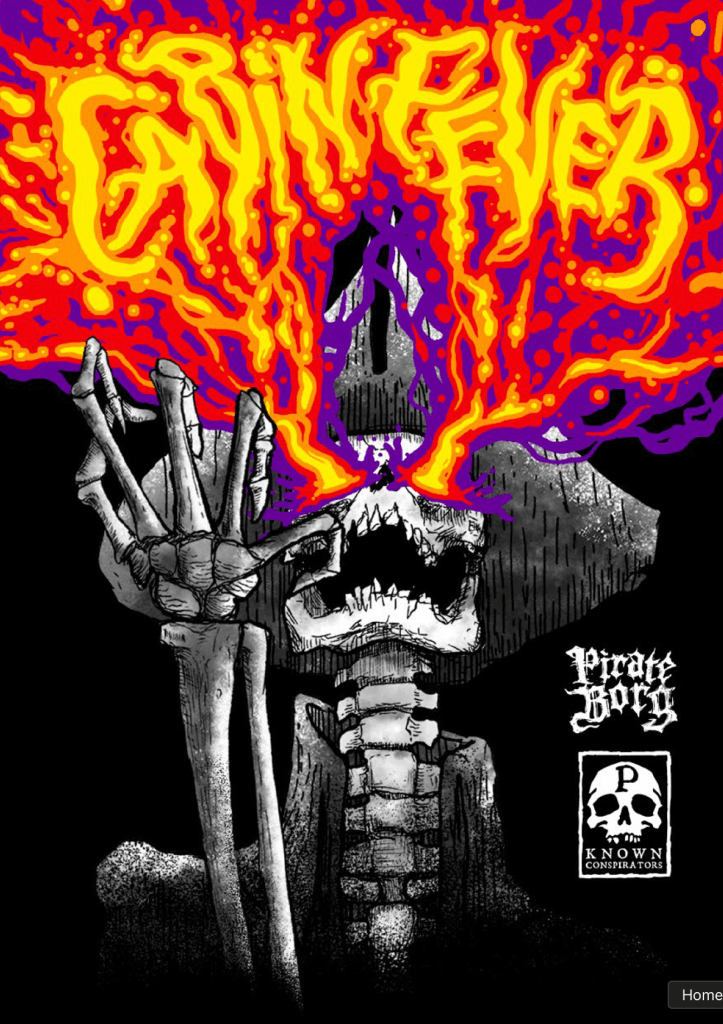
The covers of Cabin Fever, Down Among the Dead, the Pirate Borg Starter Set and the Player’s Guidebook. From the Kickstarter page
Last year all I had was the core Pirate Borg book, which I’d picked up from my friendly local game store, Replay. Since then Limithron had a Kickstarter campaign to launch a starter set, Down Among the Dead, a proper expansion with new player options, monsters and adventures and Cabin Fever, a book of third-party creator classes, options, rules and scenarios, all great new products for their flagship game. They recently released the beta PDFs for these items to the backers and I’m so glad they did because I am going to get so much use out of them for this year’s one-shot. Check out the whole kit and caboodle here. You can still pre-order it if you feel so-inclined. I would encourage you, of course, to go and support these small indie creators trying to produce quality products during an incredibly volatile and unfriendly trading climate. On that Kickstarter page, you can also read a little about the challenges they are facing in production and shipping, if you need any more reason to support them.
Trapped in the Tropics
The cover of trapped in the tropics. undead in a jungle with a smoking volcano in the background
The Starter Set includes a bunch of maps, character creation guides, dice, tokens, reference cards, a Player’s Guidebook, and a starting adventure, Trapped in the Tropics. I really wish I had all of those little physical extras to play with at the table but they are not going to be here in time for the I’ve been looking at the TTTLPDPBOS, so I’ll have to wait. I have been reading through Trapped in the Tropics. It’s designed as a teaching adventure with great tips for both beginner GM and players. It lays out the structure of the adventure in a very easy to understand format, includes notes on tone, style and inspiration and includes advice on how to use it at the table in both multi-session and one-shot forms.
As an adventure, it’s set very much in the OSR mould. It provides potential hooks, interesting locations, important NPCs, encounter tables and enemies, without a strict plot or step by step list of occurrences. I’d love to play it as a longer form game. It looks like the sort of relatively free-form OSR module that players could really sink their teeth into and make their own. However, the one-shot option is not as interesting to me. I like parts of it, but I’m struggling to come up with anything from it that might make for a memorable finale.
Cabin Fever
The cover of Cabin Fever
Then we’ve got Cabin Fever, a standalone book of content from third-party creators that was kickstarted along with the Starter Set. This is a treasure chest of a book, brimming over with little gems like new player classes (e.g. the Angler, the Barnacle, the Sulphur,) a bone construct dice drop boss generator, some truly Forlorn Encounters (e.g. Stowaway Imp, Baroness Malaria, Parasitic Beard,) and most importantly for my purposes, a selection of excellent Pirate Borg adventures. My appetite was whetted as I realised that one of these was specifically designed as a one-shot. It’s largely a location-based, exploration adventure in the mould of Pirate Borg, with a central ship, a large number of undead and a crew full of scum. And, importantly, the adventure includes elements that I feel could make for a really great finale to our TTTLPDPBOS. It’s ideal, really. So, I’ll be breaking out the tiny fake spyglasses, eyepatches, and plastic doubloons to help us get in the spirit for “the Repentant” by Zac Goins on September 19th.
The main illustration for the adventure, “the Repentant.” A skeletal head in a hood with a cricifix around at its throat. All in red, white and black.
What about you, dear reader? How will you be celebrating Talk Like a Pirate Day this year?
So, off they went, following a magic raven, through the rain and the swamp, fording rivers, defeating enemies and stabling horses, until they got to the appointed place and the raven dropped dead.
Blood in Ferelden
There have not been a lot of supplements for the Dragon Age RPG from Green Ronin. Other than a quickstart guide, a GM’s Kit and Faces of Thedas, a sourcebook filled with fan-favorite characters from the video game series, Blood in Ferelden is pretty much it. It’s a collection of adventures designed by Walt Ciechanowski, Kevin Kulp, T.S. Luikart and it came out in 2010. It contains three full scenarios and a few adventure seeds all of which take place in and showcase various regions of the land that played host to Dragon Age Origins.
It came out at a time before the Dragon Age core book collected all the rules from Dragon Age boxed sets 1, 2 and 3. Dragon Age set 1 only dealt with levels 1-5 and, indeed, Blood in Ferelden’s adventures are designed to get characters from 1st to 5th level.
I discussed another published adventure, Duty Unto Death previously. That was the first Dragon Age adventure I ran for my group and it assumed the PCs started at level 3. So that’s what we did. Not only that, but they progressed to level 4 and became fully fledged Grey Wardens before we moved on to the first adventure from Blood in Ferelden, Amber Rage. I made only a few adjustments to Target Numbers (like DCs in D&D) and enemy stats to increase the difficulty. Despite this, this level 1 adventure proved quite challenging enough at times.
SPOILER ALERT! This review is absolutely packed with spoilers. Turn back now, potential players!
Overview
Amber Rage!
Amber Rage is a 39 page adventure. It’s split into six distinct parts, each of which presents its own unique challenges for the PCs, a variety of enemies, NPCs and moral dilemmas for them to wrestle with. All of these are of varying quality.
Here’s the summary: The PCs find themselves in Sothmere, a village near the Korcari Wilds. Our group of newly minted Grey Wardens had been sent south by Duncan, their commander, to determine the strength of the Darkspawn force amassing in the south, preparing for the Fifth Blight. Sothmere was just a pitstop for them. There was a festival happening there to celebrate the building of a new fort, which gave the PCs a chance to take part in some axe-throwing, mud-wrestling, archery competition mini-games. While this was going on, the village was attacked by a band of crazed Chasind stalkers. These lads had been infected with the eponymous Amber Rage and were spreading it all over town. If no-one did anything about it, all the infected villagers were going to transform into mindless Ragers in three days! After some debate amongst the NPCs, it was decided that the Grey Wardens should go and find an ingredient in a grotto in the Korcari Wilds. This shadowmoss could be used to cure the infected.
So, off they went, following a magic raven, through the rain and the swamp, fording rivers, defeating enemies and stabling horses, until they got to the appointed place and the raven dropped dead. There they boiled up a stew and this attracted the firesprites. These guys lived in the grotto of the shadowmoss, so the PCs followed them home. Kind of creepy, when you think about it. Not only that, but they then went ahead and murdered the firesprites’ Guardian Serpent. I mean, the serpent didn’t leave them much choice, but they were invading its home after all. The real problem with this, as the wardens discovered in a sort of psychic vision provided by the firesprites later, was that the firesprites consumed the shadowmoss for sustenance, and the Serpent, ahem, excreted the shadowmoss. So, with the serpent dead, if the PCs collected all the shadowmoss they would need to cure the infected, they would be condemning the firesprites to starvation and extinction. But if they left them with the shadowmoss they had, that would give them enough time for a new Guardian Serpent to mature (this weird symbiotic arrangement was further compounded but the revelation that one of the firesprites would transform into the Serpent itself!) This was the central moral conundrum of the scenario, save the villagers or allow the firesprites to live.
The blackhaller and the burning of the villagers
Once this decision was made, they had to make their way back to Sothmere where a local judge, known as a blackhaller, had been helicoptered in to force the issue of the infected villagers. As the PCs got back to Sothmere, they had the sick ones tied to stakes, ready to be barbecued. The PCs had to make another big decision here, and, perhaps, try to convince the blackhaller to back down.
Thus ends the adventure. I skipped over some middle bits, but that is the essence of it.
Layout, artwork and maps
The layout of this thing is kind of all over the place. There are NPC descriptions separated from their stat blocks by entire pages in some instances. There are some which have the stat blocks of one NPC associated with the description of another, making it really hard to find what you need in a pinch. It’s the same with the enemy stat blocks, which are sometimes so far removed from the encounter descriptions as to make them seem as though they belong to another encounter altogether. I think one of the problems here is the massive parcels of real estate demanded by the standard Dragon Age RPG stat blocks, which presents some serious layout headaches. I had to do a lot of prep to make sure I had all of the relevant info and stat blocks on hand for any given encounter, social or combat.
Statblock Nightmares
The splitting of the adventure into parts, like chapters in a novel, was something I found useful. I tried to aim for completing one part each session. In the end, it did take 6 sessions to complete it.
The artwork is nice, although much of it was clearly supposed to be full colour but was presented in black and white, which was a shame.
Shadowmoss Grotto MapSouthron Hills map
The maps are great. I really liked the small regional map and the one of the grotto. I used both at the table, revealing parts of the grotto map to the players as they discovered more of it.
Decisions, Decisions
Dragon Age is built upon difficult decisions, choices that matter and have lasting consequences and you can see that’s what the writers are trying to present as the frame that Amber Rage is built on. Should they allow the little boy be killed by ragers, or his sister? Should they kill the leatherworker who’s been infected but hasn’t turned yet, or should they give him their brew that slows the infection, endangering themselves? And, ultimately, should they condemn the firesprites to extinction or save the villagers?
Josef the Leatherworker – poor bastard
Now, this is an adventure that is written with some trad sensibilities. There are long paragraphs that examine each and every option available to the PCs in any given situation (or so the designers thought.) It presents you with the sorts of ability tests the PCs will need to make, their target numbers, the modifiers applied due to darkness or marshiness or stinkyness etc, etc. But, in almost every situation, my PCs found another alternative. They saved both children by the clever application of (checks notes) ranged weapons, They debated over the fate of the leatherworker so long that he turned Rager while they were still talking, and the shadowmoss problem? Well, they took the long view, what if they stole all the shadowmoss, killing all the firesprites in the process, and saved the villagers, but then there was another infection later and there was no Shadowmoss to help them? So they said, screw you Sothmere, we’ll only bring enough of this shit back to cure one individual fucking villager and then leave you to decide who should get it! The firesprites were happy, but no-one else was.
What particularly annoyed me about the text was this, it assumes that the party would choose to take the Shadowmoss. Almost all of the events described after the grotto involve the “fact” that they have a potential cure for the Amber Rage and others want it or others don’t want it used or something along those lines. So, those were largely useless to me. At least this allowed me to cut out swathes of what was always going to be the least interesting portion of the adventure, the trip back to town, which was staged as a series of encounters. There is a box on one page entitled, “Sustaining Drama and Varying Beats on the Journey Back.” The text in this is there to advise you to switch things up and vary the encounters because otherwise they might seem a bit samey… Could have just left them out, in my humble opinion.
They also present a number of NPCs that are either sympathetic or not, though. I can’t imagine anyone really liking Bogdan, the blacksmith, or even agreeing with him, in fact. Everyone is going to like the personable and honourable Sherrif Milo, though. So, when the players are asked to choose between the two, it’s no choice at all.
Some of the more sympathetic NPCs were the elven performers, the brother and sister duo, Oleg and Dielza. Our very own elven Grey Warden, Halvari, developed a closeness to them early on, so when Oleg was infected and Dielza was not, she promised to save him… But of course, in the end, she couldn’t. She had had to send over the single portion of shadowmoss and the good people of Sothmere were never going to cure the elf with it, so Halvari was left with no choice but to take Ole’g life before he turned and before the villagers could burn him. This was a truly sad moment that was always a possibility in the text but which was brought alive by the player in some outstanding role-play.
Conclusion
I loved the set-up for this, the festival, the mini-games (I forgot to mention a drinking mini-game from later in the adventure that was also very fun,) the moral dilemmas. But, throughout, I found myself wishing to be freed of the constraints of the text. I wanted to have been presented with the overall situation, the NPCs and some potential encounters and locations, and then let the PCs just go and figure it out. I guess I have been playing a lot of OSR recently, and it’s had an effect on my brain. In my thinking though, this would have solved the problem of the designers assuming the decisions the PCs would make, that I pointed out above.
I also don’t feel like it was quite Dragon Agey enough. It was missing abominating mages, darkspawn, spirits and demons. It could have been set in almost any generic fantasy setting without making almost any changes.
Finally, our crew of fourth level grey wardens had a very tough time with some of the only slightly upgraded combat encounters. They were lucky to have survived the evil giant crab attack and don’t even mention the marsh wolves, the mage went down twice… Actual 1st level characters would have been completely buggered, in my opinion.
Marsh Wolves – watch out!
Despite all my gripes with this adventure, we had a great time with it. This had a lot more to do with the fantastic bunch of Tables and Tales members and Dragon Age fans we’ve gathered, who have gotten into the game, the system, the stunts and the potential for heartache, than it had to do with the scenario itself.
My advice, dear reader, is, if you’re still interested in running this adventure, go through each part of it and prepare it your own way first. Think of potential consequences for decisions the PCs might make that the text does not prepare for, and feel free to cut out large parts of the journey back to the village.
I’ve played RPGs where your character is supposed to be weak, where they’re meant to be weird, where coolness or badassness is the point, but I have never before played one where the entire premise is that you are a sad, potentially depressed outlaw trying to get by in a universe that’s against them.
This is the seventh in a series of character creation posts I’m using to figure out which game I want to schedule for our next campaign. You can find the Triangle Agency one here. And you can find the Slugblaster one here. You can find the Blades in the Dark one here. We took a slight detour for this one, here’s the Wildsea Ship Creation post. And then got back on track with the Wildsea Character Creation post. This is where you can find the Deathmatch Island one. Back in this post I named Orbital Blues as an outsider in this process since I’d barely even cracked it open. This was good motivation to read the book. Since then, I have read most of it and I have to say, I’m generally impressed. It’s very much in the running now.
Sadness is the Point
I’ve played RPGs where your character is supposed to be weak, where they’re meant to be weird, where coolness or badassness is the point, but I have never before played one where the entire premise is that you are a sad, potentially depressed outlaw trying to get by in a universe that’s against them.
That’s Orbital Blues, by Sam Sleney and Zachary Cox, illustrated by Josh Clark and published by Soul Muppet. This is how it is described on the back of the beautifully realised book:
It is an intergalactic age of bounty hunters, vagrants and bleeding heart outlaws. The galaxy is a lawless expanse, and you are an INTERSTELLAR OUTLAW. Together with your SHIP and your CREW, you must eke out a living in the frontier, and close down the intergalactic dream of freedom and success.
What this blurb doesn’t convey is that, for an Orbital Blues character, the sadder you are, the better (mechanically anyway.) Your PC is going to start with Troubles and they are going to give them the Blues and those two things just serve to compound each-other over the course of the game to give them more abilities as well as more narrative motivation.
Before I get into this, I would like to once again plug the My First Dungeon podcast. They have a complete season of an Orbital Blues actual play that has helped me to get to grips with the game, the system, the vibe and, of particular importance to this post, character creation. Go check it out here.
Start with the Concept
Character Creation chapter with poncho clad back of a space cowboy
I haven’t played a lot of games where the player is supposed to start with an idea of their character first. Never Tell Me the Odds does it, but I am struggling to think of another. Of course, a lot of players will go into every game with their concept in their heads already, but few demand it. Orbital Blues wants you to do some imaginative labour before moving on to stats and abilities.
So, let’s look at the touchstones for this game. What kinds of characters does this sort of game want you to make? Cowboy Bebop, Firefly and Guardians of the Galaxy are all pretty obvious sources of inspiration that are explicitly mentioned in the book, so I’m going to use the characters from those IPs as fodder too.
I remember watching Cowboy Bebop during its original run when I lived in Okinawa in the late 90s. It captivated me with its evocative and anachronistic world and its lowlife, flawed yet oh so sympathetic characters. I was obsessed with Spike. He was such an asshole and yet he could always surprise you with moments of genuine heart and kindness, while being forever haunted by his dark past. It’s a classic character archetype, of course, but that’s with good reason. We relate to their brokenness while we aspire to their ultra-competency.
Anyway, that’s my main point of reference, a slick-looking guy with a past he’d rather forget. I’m imagining him as a crack-shot and a card-sharp, not an arm-wrestler or a fist-fighter. This guy drinks too much and always has a cigarette between his lips.
Name
The very next thing in the process and the book, is to roll up or choose your name. There is an excellent d100 table here for this so I am not going to pass up the opportunity to roll on it. Now, this is not necessarily meant to be your PC’s full legal name. In fact, it is more likely to be a nickname or a persona and usually just a single name. There are some great names in here, including “Indiana,” “Ripley,” and “Valentine.”
I rolled a 34 so that’s Avery. Nice!
On the same page is an exhortation to “pull it together.” This means thinking about what brought the character to the life of an outlaw. What kinds of problems follow them and what might they do about them?
I’m thinking Avery, a former military sharpshooter, quit the space-corps to find his own way in life, only to end up working as a hitman for some bad people. The crime boss he worked for had some juicy blackmail material on Avery. Thinking about this from a game perspective, I would want to eke this story out during play rather than spilling it all in character creation. But I am thinking he killed the wrong person, someone known to his family, and he doesn’t want that to get back to his parents. But he left the employ of the crime boss by faking his own death. This was all before he started going by the name, Avery.
Stats
Stats: Muscle, Grit and Savvy
You only get three stats as an Orbital Blues character:
Muscle: speaks for itself really, Although it could be used for intimidation too. Also, it has a bearing on your Heart score, which is analogous to your hit points
Grit: How far will you go? How much can you take and keep on trucking? Your Grit determines that
Savvy: Quickness of mind and trigger finger. This is where I’ll be investing highly for Avery.
There is no dice-rolling involved in your stats. Instead, you choose one to be 0, one to be +1 and one to be +2. Simple.
Avery:
Muscle: 0
Grit: +1
Savvy: +2
This seems to suit the character concept I’ve come up with so far.
At this point, it’s worth noting that you do stuff in this game by rolling 2d6, usually, and add the relevant stat to the roll. The target is always 8.
Sometimes, if you are rolling with the Upper Hand you roll 3d6 and take the top two rolls. In contrast, if you are rolling Against the Odds you roll 3d6 and take the lowest two rolls.
You can use Exertion to spend points of Heart to add to your rolls too.
The Crew
Crew titles
This next part will be a little difficult for me since this is a Solo endeavour (that’s just a little space outlaw humour there.) But still, I can follow the advice presented to a certain extent. There is a colourful double-page spread of titles to help. I can adopt one of these for my own character. Once I have done that, I can choose at least one more title and decide how Avery might relate to another character with that title.
Avery has a lot of options here. There are titles such as “the Queen,” “the Freak,” “the Heart-breaker” and, of course, “the Cowboy.” But I think the one that suits him is “the Quick.” He’s fast on the draw, nimble-fingered and quick-witted.
I think there is another member of the crew who has “the Ace,” title. Let’s call them Rivers. They’re good and they know it. This pisses Avery off and wakens his competitive side.
Heart and Blues
Heart and Blues, Gambits and Troubles
This is an easy one. Heart, which, as I noted, is the HP score, is calculated by adding 8 to your Muscle score. So:
Heart: 8
Blues are the way you measure the effects of your character’s “past sins, personal grievances and guilty hangups.” As you build Blues points, you get to improve your character. You gain Blues points, unsurprisingly, through your Troubles.
Troubles and Gambits
Gambits ExpandedTroubles Expanded
A space cowboy starts with one Gambit. It’s a talent, ability or resource that can help in all sorts of situations. You can gain more during play. For every 2 Troubles, you can get another Gambit. Here are a few that I might consider taking for Avery:
Devil’s Right Hand – Roll with the Upper Hand when using pistols
The Gambler – get two points for every point of Heart spent when using Exertion while gambling
But the one I’m going for is:
Marksman – Long range attacks ignore penalties from range etc. and always get the Upper Hand when taking time to aim. It’s the one that suits Avery’s story the most
You could be forgiven for thinking that a character’s Troubles are purely narrative, maybe coming from their backstory. But in this game, you have a set list of Troubles to choose from and they have specific mechanical effects. Avery will start with one Trouble although, he could resolve it and pick up some more during play. Here are a selection of Troubles to choose from:
Devil in the Bottle – You get to answer questions like, what was the worst thing you ever did while pissed, who’s your oldest drinking buddy and what’s your favourite booze. You get Blues whenever you have to deal with a hangover or go cold turkey for a couple of days.
On the Run – Some of your questions: Who are you on the run from and why? Who helped you get away? Who was left behind? You get Blues when evading a problem, and abandoning someone else to escape.
But Avery’s starting Trouble has to be
“In too Deep – You got involved with the wrong people and did things you ain’t proud of”
Which underworld organisation did you get involved with? The Reno Snakes is a gang that’s mentioned in the scenario provided in the book, so that’s what I’ll go for
Who, in law enforcement remembers you? Galactic Marshall Dell Walker. He’s never believed Avery was really dead
I’ll get Blues when I:
rely on a talent I learned from an old friend
restrain myself from the familiar old violence
make someone do something they don’t wanna
Equipment and Mementos
Avery gets one weapon, a memento and one piece of crew equipment. I could roll a d12 to determine the starting weapon but I think it makes sense that Avery takes a sniper rifle given his background and gambit.
There is also a (1-18?) table for mementos but I spotted one on it that simply fits so well, its “Bounty on a former lover.” I would like to change it from “former lover” to “step-father,” though.
Finally, the piece of crew equipment: A night-vision scanner makes sense here, I think.
Soundtrack
Your Soundtrack
Avery needs his own theme tune to act as a leitmotif for him at those most dramatic of moments. This is such a cool idea that reminds me of Tales from the Loop and the best actual plays. I think Avery’s soundtrack tune is Sweet Jane by Cowboy Junkies
Conclusion
I might actually come back and make a ship for Avery and his pals as well, but this post is already long enough. I’ve had fun making this character. The process asks some really interesting questions of the player to make a troubled and complex outlaw who is likely to get more and more troubled as time goes on. The rules are simple, and very easy to grasp. Character creation was also pretty straightforward, although I did find there was quite a lot of flipping back and forth through the book during character creation. But that is just a small quibble really.
Fallout is one of the most fun things about Heart. Players are sick little freaks who love getting lumbered with terrible burdens. Give them what they want, I say!
A Challenge
I have generally looked at Heart, The City Beneath as a campaign-play game. It’s made for it. It has a structure to the gameplay that rewards multi-session arcs. Your character’s beats beg you to spend time to seek out the opportunities to achieve them. And that Zenith ability; everyone perversely desires that big finale, their moment in the spotlight for one last time, that explosion of ‘themness’ right at the end so they can say they really went out in style.
So, when you are asked to run a Heart one-shot, what do you do? How can you replicate the uniquely satisfying journey that belongs to the delvers in a campaign, in just one session? The short answer, of course, is, you can’t. But, can you create a satisfactory one-shot with a slightly different feel? Yes, of course you can.
You will not be too surprised, dear reader, at this point, to discover that that was the exact situation I found myself in last week. I had a special request come from one of our founding Tables and Tales members to run a Heart one-shot, so I had to give it a go.
Heart Exam
The Butcher, replete with antlers, haunted expression and meal
Grant Howitt and Chris Taylor know what they’re talking about when it comes to designing and running games, particularly their own games, I figured, so I started with them. Heart has a lot of useful tips for GMs in it. There’s advice for the novice and the veteran alike on how to run RPGs/story games/Heart. They also include separate sections for campaigns and one-shots. It’s worth noting that much of the general advice for running Heart is just as important in a one-shot context as in a campaign. The one-shot bit itself is minimal but useful.
Running Heart as a one-shot is straightforward enough. The only changes you’ll have to make are around pacing and how you inflict stress and fallout.
Pace-maker
The Heartsong Calling sitting on the edge of the bed wondering where that music is coming from.
The advice around pacing is as true for a Heart one-shot as it is for any game, you have to start fast and keep it moving. No long-winded expositions, no character-development heart-to-hearts that take thirty minutes, no hanging about. Start in media res or as close to it as possible. Provide the necessary information in summary or in flashback and get to the action. Also, you have to give them something they can do in one session, a goal, a destination, a creature to kill or a thing to retrieve. All this sounds easy enough, but it can be tricky. It has taken me quite a while to develop my one-shot technique to a point where I feel like I am almost guaranteed to get it done in one shot. You start to figure out where you need to kill your darlings to make up the time. Working that sort of thing out on the fly is a skill I have made gratuitous use of recently.
In this one-shot, I had the PCs escaping Redcap Grove as a sort of mini-delve on the way to the entrance of the actual delve which would take them to Hang Station. They had a simple job to deliver some psychoactive fungus to a Vermissian Sage in the station. But, woah, were they rolling badly… and also being little nut-jobs. The Cleaver, predictably, decided to hunt the Druids who were hunting them and it turned into a stress and fallout ridden combat. This was fun, and horrific and hilarious. Almost everyone in the combat hulked out at some point, the Witch into her True Form, the Deep Apiarist into her Awarm Form, the Cleaver into his Chimeric Form and the one remaining Druid into their Cave-dweller Form. The players understood the one-shot assignment and did not hold back. There’s no point in saving your cool power till the end… it’s all end. Anyway, because this took a little longer than expected, I ended up combining this mini-delve with the longer inter-landmark delve that I had prepared between Redcap and Hang. I essentially just combined the remaining resistance of the mini-delve and the delve-proper on the fly. This worked well, even though it meant I had to cut out an encounter with the Butcher…
Stress and Fallout
The Penitent Calling on their knees, praying for forgiveness
Mssrs Howitt and Taylor also mention stress and fallout in the extract above. You can’t be afraid to hit them hard. Fallout is one of the most fun things about Heart. Players are sick little freaks who love getting lumbered with terrible burdens. Give them what they want, I say! Fallout is one of the key ways to push PCs to act in certain ways and that pushes the game forward so it’s win-win, innit?
I took this quite literally. I made sure that the busted old crate they were transporting their dodgy mushrooms in was leaking the kind of spores that some sado-masochist might pay a large amount of coin for. Every time they rolled against the resistance of the delve or when they made any dangerous movements or just when nothing else was going on, I got them to roll Endure+Wild to resist the effects of the fungus. If they failed, they got Mind stress and if they got Fallout from that, they got one of the following:
FALLOUT: Traitor Brain, MINOR Mind – You relive a moment of regret ad nauseum. Always at the worst possible time. All actions increase in Difficulty by one step (ongoing.)
FALLOUT: What Did You Do? MAJOR Mind – You witness the effects of your worst mistake on those it affected. It is a gut-punch to the mind. When you mark Mind stress, roll two dice and take the highest (ongoing.)
This had exactly the effect I wanted. And if you engineer it right, you can use this sort of technique to bring about some really cool moments.
Pregens
Shellaine Dawn-Breaks-Darkly Character SheetRedeye the Cleaver Character SheetDolwyn Oldshire, the Witch Character Sheet
Speaking of engineering things… making pregenerated characters for this game was the best decision I made. I had to combine it with a few tweaks to the rules, but, if I were to recommend doing one thing for your Heart one-shot, it would have to be creating and assigning pregens yourself as the GM.
I created three pregenerated characters, one Gnoll Cleaver with the Heartsong Calling, one Aelfir Deep Apiarist with the Enlightenment Calling and a Human Witch with the Penitent Calling. I gave them their starting abilities, picked their equipment, I even picked their names and answered some of the questions presented in the Calling and Ancestry sections that rounded them out as characters. I even chose their names and starting beats! I left a couple of answers up to the players, namely the ones to the questions about how their characters were associated with one another. Having them answer those gave them a sense of belonging and of fellowship with their adjacent weirdos.
Anyway, the character creation took the bulk of my prep-time, easily, but it was very much worth it. Here’s my thinking: I wanted to make sure we did this thing in one session so didn’t want anyone dithering over the details, and I didn’t want to have to explain all about every aspect of a Heart character before we even got started playing. I wanted to be able to have an inkling of the beats they would reach for to make it easier on myself to improvise them in the moment during play, I wanted to be able to plant connections to the PCs lives here and their and I wanted to be able to use the Heart itself, to make it feel like the Heart was reaching into their souls and coming out with their greatest desires. The Fallout that I wrote above? I wrote that with the idea in mind that the Penitent Witch might need that to confront her greatest regret, why? So I could introduce the last ace up a Heart GM’s sleeve, the Zenith Beats and Abilities.
The Zenith
They had been hitting both minor and major beats throughout the session and taking new abilities as appropriate. I allowed them to hit as many as they wanted. I had given them four each in their pregen character sheets. But that wasn’t enough for me.
Just as they were exiting the delve and entering Hang Station with their psychedelic cargo, I asked the players to refer to the book and take a look at their Zenith Beats and Abilities. I only pulled this out near the end so they wouldn’t know it was coming. Luckily each Calling only has two Zenith Beats available and each Class only has two or three abilities. So it wasn’t too much to look up in the moment, and, as soon as I told them this, I knew I had them (or two thirds of them anyway.)
I made it clear that I would be lenient in judging whether or not they met the conditions of the Beats because I know how good it is when a Heart PC hits their Zenith. So we made it happen. By the end of the session, each of them had brought about their own personal apocalypse and it was a thing of red, wet beauty. The Cleaver destroyed and replaced the Beast in the bottom of Hang Station, transforming the landmark into a swampy forest in the process, the Deep Apiarist summoned the Heart itself into the space just long enough to squash her into a red, wet stain and the Witch brought the Deep Apiarist back from the dead, sort of, as a clone made from the Heart itself, a clone that will always return no matter how many times it dies…
We wrapped the whole thing up neatly in about three hours. If I hadn’t cut the Butcher encounter and combined those two delves early on, it might have gone another half hour. Either way, a nice, diminutive package, I think you’ll agree.
Today, I’ll be making a competitor for Deathmatch Island, a regular person with a normal-arse job, someone you might meet at the gym or in the supermarket.
This is the sixth in a series of character creation posts I’m using to figure out which game I want to schedule for our next campaign. You can find the Triangle Agency one here. And you can find the Slugblaster one here. You can find the Blades in the Dark one here. We took a slight detour for this one, here’s the Wildsea Ship Creation post. And then got back on track with the Wildsea Character Creation post.
Competitor Registration
Today, I’ll be making a competitor for Deathmatch Island, a regular person with a normal-arse job, someone you might meet at the gym or in the supermarket. This is not going to be a superhero, or a secret agent or a wizard. This totally ordinary person is going to be thrown into a situation unimaginable to most of us, having to fight for their lives, form alliances recruit followers and solve puzzles, with the reward of nothing more complicated than survival. And they will have to do all this with an enormous gap in their memories that relate to their lives before the competition.
I wrote a piece about the game, which will give you the basics. You can read it here. So I am going to push straight on with Competitor Registration. One of my Kickstarter rewards was a Competitor Induction booklet. This holds a player’s hand through the relatively painless registration process and also provides some tips for Competitor Players in playing Death Match island. So, let’s open it up and get started.
Occupation
Occupation tables
The first step is rolling up my Occupation. This part MUST be rolled randomly. It will allow me to add a die to my dice pool in contests if I believe my Occupation would be relevant. The Occupation will also determine my Competitor’s Favoured Capability (the type of contests the Competitor is specialised in.) All Competitors have the following Capabilities:
Social Game – using charm and social bonds to resolve contests
Snake Mode – solving contests using deception, stealth and straight-up lies
Challenge Beast – Not just physical ability but also a talent for puzzle solving
Deathmatch – The violent option: tactics, firearms and ruthlessness
Redacted – This is the one used when the Player Competitor strays out of the bounds of the game and into restricted areas. The Production Player (GM) has ways to counter these methods…
The Favoured Capability gets a d8, all the rest get d6s. These can be improved through gameplay later.
So, let’s roll on the tables. There are four Occupation tables, so I’ll start by rolling 1d4 to determine which one I roll on. That’s a 2! Then I roll 2d8 on Occupation Table 2. That’s a 7 and a 4. That gives me:
Firefighter (Challenge Beast)
So, with this Occupation, I’m imagining someone physically fit but also intelligent in spatial awareness, environmental hazards and safety concerns.
Name and Competitor Number
Name tables
The name of a Player Competitor is more than just what the other characters call them. It has a mechanical impact. Part of the game is attracting followers, getting your name out there and increasing your popularity. This is so important that you add a Name die to every Contest roll in the game. It starts as a d6 but gets bigger as you accumulate followers.
You don’t have to roll for your name. If you want to play a Competitor with a specific nationality, ethnicity etc, you might want to choose the name for yourself. But, in the tradition of my character creation posts, I’m going to roll for as much as I can. There are three first name tables so I’ll start by rolling a d3 to pick the one I’ll roll on. That’s a 3! Now I’ll roll 2d8 to determine my first name. That’s a 5 and a 7, giving me:
Sakae – a Japanese name, normally male but sometimes female. It usually means, glory or prosperity, which seems auspicious. I think I will go with he/him pronouns for Sakae
The surnames are a little more straight-forward. I just roll 1d8 and 1d20 to figure it out. That’s a 4 and a 5, which gives me:
Kogoya – an Indonesian name. Egianus Kogoya is a military leader in the “Free Papua” movement
Sakae Kogoya is, I think, a civilian firefighter from the island of Okinawa (a place I actually lived for a year in the nineties.) His mother is Okinawan Japanese and his father is an Indonesian American who came with the American military forces but stayed when he found love. He opened an Indonesian restaurant in the city of Ginowan where Sakae grew up.
Next, I just roll a d100 to get Sakae’s competitor number. That’s 095.
Distinguishing Features
Uniform and Characters
There are a few random tables to determine some random features for your Competitor in the booklet. Once again, the player is free to choose from these tables or make up their own if they have a clear idea of them already. These features have no mechanical effects at all, unlike Name and Occupation. They are just to help distinguish the character. I’m going to roll on each table for the sake of randomness.
Eyes (1d20) – 19 – Beady (could also have had the likes of Glacial, Twitchy and my personal fave, Haunted)
Build – (1d20) – 20! – Willowy (other possibilities include Beefy, Towering and Average)
Hair – (1d20) – 5 – Striking (I’m imaging something that takes a lot of product and looks like something from an anime. I could also have rolled up Nest, Bangs or Boring)
Detail – (1d20) – Another frikking nat 20! – Strong hands (other options here included Unusual face, Eye-patch and Pleasant scent)
Uniform
Uniform tables
All the Competitors start with the same uniform when you begin a game of Deathmatch Island. This also has no mechanical impact. There are six style options presented and six colours. I would say a lot of groups would want to discuss this amongst themselves and select the one that most appeals to them but, obviously, I’m going to roll for it.
Uniform Type (1d6) – 4 – Blazer and turtleneck!
Uniform Colour (1d6) – 4 – Goldenrod!
Wow! That’s quite a combo. Seems incredibly impractical. Not much stretch in a blazer and that colour is going to make sneaking extra challenging! But that’s what I rolled, so that’s what Sakae Kogoya and his fellow contestants are stuck with.
Please see below, the welcome letter that Sakae is presented with when he first wakes up on the boat taking him the ISLAND ONE.
Welcome to ISLAND ONE letter
Conclusion
Sakae Kogoya Competitor Registration sheet
And that’s it! That was refreshingly fast. You’ll notice, from the screenshot of Sakae’s character sheet, that there is a lot of empty space on it. There’s a lot that you only get in play in Deathmatch Island, so, even though I’m finished character creation, there’s a lot of room for growth, improvement and notes. I like this approach a lot. It leaves much of the character building to happen in the context of the game, rather than before you even start. It’s particularly appropriate in the scenario where your character is suffering from selective amnesia. I feel like, with this quick Competitor Registration and the relatively simple rules, you could get some people around a table and run a session of Deathmatch Island with little or no hassle or delay. The structure of the game and the way the Production player chooses casts allows you to run it with very little prep, also. This is a big tick in the pro column for me these days.
So, dear reader, what do you think of the Deathmatch Island character creation process in comparison to the other games in the series? I still have a few more I could fit in here, like Apocalypse Keys and Orbital Blues, which I listed as outside contenders way back here, in the post that started it all. But right now, I think Deathmatch Island is a strong contender, if only for the fact that I could get it off the ground so quickly and potentially complete a campaign in 3 or 6 sessions.
I’m not traveling this time, dear reader, but I have a pretty busy week on my hands. Tonight, I have a Heart one-shot, specially requested by fellow Tables and Tales GM, Shannen. I have been beavering away at the preparations for that the last couple of days. This weekend, my nieces are visiting and I’m planning another one-shot for them, too. Also, honestly, after the last mammoth character creation post for the Wildsea, I was simply not able to dive right into another one straight away, anyway. So, I took a break, and decided to focus on the important things in life, finding ever more inventive ways of allowing the PCs in this Heart one-shot to bring poetic ends to themselves.
Death Match Throwback
The next character creation post on the agenda is for Death Match Island. So, as a consolation, please take a look at this post from last year where I go into the rewards from the Death Match Island crowdfunder and also the rules and stuff:
The book presents many, many options in each step, and that’s even using the Quickstart kits. Without the Quickstart rules, you can really choose any options from any bloodlines, origins and posts, to truly customise your character as you like.
This is the fifth in a series of character creation posts I’m using to figure out which game I want to schedule for our next campaign. You can find the Triangle Agency one here. And you can find the Slugblaster one here. You can find the Blades in the Dark one here. And most relevant to today’s post, here’s the Wildsea Ship Creation post.
A Character to Fit the Beacon
In my last post, I created a ship for my Wildsea character to pilot across the Thrash. The ship, it turned out, is a research vessel, fast and dangerous, but not very manoeuvrable or stealthy. It’s got a beehive for an engine and an acid-cannon for protection. It also has a colony of glow bugs that follow the crew around illuminating their surroundings for them. I named the ship the Beacon.
So, what kind of wildsailor am I going to come up with to match the vibes of the Beacon? Let’s find out, dear reader!
Character Creation Steps
Character Creation chapter illustration
There are three important choices to be made in this process:
Your Bloodline
Your Origin
Your Post
Now, while these choices are minimally restrictive, the beginning of the Character Elements chapter encourages you to build a narrative background around the framework of the mechanical choices. In fact, throughout character creation, you are encouraged to be creative and to make unique wildsailors that no-one else has ever made before.
Also, there are many other elements to a Wildsea character, it’s just that most of them hang off these three choices. All of these are explained in the Character Elements chapter.
At this point, I think it’s important to point out that the Character Elements chapter is there only to explain those elements, not to help you create your actual character. That’s all in the following chapter. One thing I have found with the Wildsea is that it devotes a lot of space to explaining everything. Occasionally, I find that this is at the expense of functionality. The book goes to some lengths to inform you what the Cook skill allows you to do, when, in a storytelling game, this could usefully just be left up to the players around the table. It’s also because so many of the terms used in play are quite unique, Twist, Edges, Whispers, Cut etc. Although most of these bear some resemblance to elements of other games, the resistance to using those better known terms means they require more explanation. I found this also in Slugblaster, an ostensibly Forged in the Dark game that uses a lot of setting/genre-specific terminology for concepts that are more functionally named in Blades in the Dark.
Anyway, I’m going to move on from the Character Elements chapter immediately. If I need to explain anything, I’ll do it as I build the character.
Young Guns or Old Dogs
This is a welcome choice to start with. It reflects the type of game you’re preparing for. If you go for a Young Gun, you start with fewer skills, aspects and resources, leaving the character more room to grow. The Old Dog has more going for them, but is meant for one-shots or short campaigns. For my purposes, I’m going to create an Old Dog, to show off more of the character elements in this blog post. So, an Old Dog starts with the following:
1 Bloodline, 1 Origin, and 1 Post
3 edges
15 skill / language ranks (maximum starting rank 3)
6 aspects taken from any bloodlines, origins, or posts
6 resources
3 drives and 3 mires
Ardent Quickstart Kit
For ease of one-shot character creation, there is a Quickstart Kit presented in the section for each bloodline, origin and post. These break it down to a selection of easy choices.
In the interests of keeping this post below 2000 words, I’m going to use the Quickstart kits as and when I feel its appropriate.
Bloodline
Here are the options for Bloodline:
Ardent – human
Ektus – cactus-folk
Gau- fungus-folk
Ironbound – ship-ghosts with bodies of salvage
Ketra – gelatinous humanoids
Mothryn – moth people
Tzelicrae – hive-mind spider colonies in a human skin
A Ketra with a chart
Remember this is a Researcher we’re making here, so I think it would be useful for them to be good with technology. The Ketra are described in the book as “tech-savvy.” So, I think that’s what I will go for.
The ketra are the descendants of those fragments of ancient humanity trapped in tunnels and sturdy temple complexes, mineshafts, and mountain-seams. Like the ardent, they have adapted to face the post-Verdant world, but with a far more dramatic biological change – tentacular mantles, translucent fl esh, and swirling, ever-moving inkblot patternings are common. Many ketra reinforce their malleable forms with selfmade skeletons of salvaged driftwood or repurposed scrap-metal.
Questions
The first thing to do with your new ketra is answer the following questions:
Q: Have you spent any time in the ‘ancestral’ ketra places and, if so, how did you find their dark, crampled confines? A: Yes, my character spent the early part of their life below the waves. Only as a young adult did they venture above the Thrash where they were discovered by the original owner of the Beacon, an Ardent named Benida Hoffspring
Q: How original is your skeleton, and if you’ve replaced parts of it yourself, what new materials do you rely on for support? A: Many parts of their skeleton have been replaced, most notably, the lower jaw is shaped by a perfectly formed piece of Ironwood. It juts out more than it should. Other bones have been replaced with sturdy pieces of salvaged metal and ceramic.
Q: Were you passed down any stories of your family’s old human days, or is your preverdant lineage lost to history? A: There was an old album of photos, preserved in plastic. It revealed a world long gone, of Ardent cities and water-going ships. Their ancestors were sailors…
Bloodline Aspects
Aspects differentiate your character from another one with the same bloodline, origin or post. They make them unique. They can take the form of a physical trait, a companion, or a piece of gear. So, with the Old Gun type of character, you can choose 6 Aspects from bloodline, origin or post. As a Quickstart character, I’ll choose two from each step. If I list off every Aspect from every step, this post will be another giant. Instead, I am going to list only those that catch my eye for the character. Here are the bloodline aspects I want to choose from:
Scrapper Enzymes 3-Track Trait You can use salvage as a component when concocting a potion or chemical mixture, no matter its form.
Scrap-Metal Skeleton 3-Track Gear The internal structures you’ve collected can store biovoltaic energy. Use a task to create a resource, Scrap-Bone Battery.
Drone Attendant 3-Track Companion A simple punchcard-driven repair construct. Increase impact when repairing or tinkering with other machines.
From these three, I love the idea of this character brewing up potions and stuff on the fly so I am going choose Scrapper Enzymes for that. I also have simply got to choose a companion when available and narratively fitting, so Drone Attendant is coming too.
Bloodline Edges
Edges are areas of talent. They literally give your character an edge in certain situations, meaning you get an extra 1d6 in your dice pool if appropriate. They are rather poetically named, but mostly speak for themselves nonetheless. Here are the edges presented in the Ketra Quickstart kit:
Iron – “An edge of force, determination, & willpower”
Sharps – “An edge of logic, wit, & planning”
Veils – “An edge of shadows, ciphers, & secrecy”
For this ketra researcher who crawled out of the depths on their own, I’m going to choose Iron and Sharps.
Bloodline Skills and Languages
These get ranks. You start at rank one and go up to rank three. You get an extra d6 in your dice pool for each rank in the skill you are using when appropriate. I have to choose five of these. Here are the available skills in the Quickstart Kit:
I’m going to take Concoct, for sure, to go with the Scrapper Enzymes Aspect. I’m also going to take Delve, as someone show used to live in the ruins beneath the wildsea. And for my final Skill, I will take Scavenge, an important one for a scientific researcher/person who replaces their bones with random stuff.
And here are the available languages (you get a certain amount of lore with these too):
Chthonic – old human
Raka Spit – “The rapid patter of hunting-families and leviathaneers”
Signalling – inter-ship communication
Got to take Chthonic, probably their native tongue. Also, I just love the name of the language, Raka Spit, so I’ve got to take that too. Everyone gets a rank three skill in the trade-tongue, Low Sour, also.
Bloodline Resources
Resources can be used to get advantage on an action roll. They come in four different types as you can see below. I have to choose two of these to start with:
Salvage: Ceremonial Dynamite, Old Driftwood Specimens: Luminescent Bone, Curled Centipede Whispers: The Comforting Dark, All Tunnels End Charts: A Faded Schematic
As a researcher, I think I have to take at least one specimen and the “Luminescent Bone” is the most thematic for this character. Perhaps it’s one of their own old bones?
I love the concept of Whispers in this game. They are like memes that can be passed on, inherited or sold, but once they are used, they are gone forever. I’ll take “the Comforting Dark.”
Bloodline Drives and Mires
Before making this decision, we need to understand the concept of Milestones in this game. They come in minor and major flavours and you write them for yourself. They work a bit like Beats in Heart. Achieving a major milestone allows you to improve your character more than a minor one.
So Drives, then, are the goals your character works towards to gain milestones. You can also gain a Whisper, or clear a mark of Mire when you move towards your drive goals. It’s important to note that they can change over time too, particularly if and when you achieve one of them.
Mires, then, are the negative psychological and physical effects of long-term exposure to the Wildsea. They will cut one or two dice from your rolls whenever you act against the effect of the mire.
Here are my options: Drives
“Raise a pre-verdant structure” – this makes the most sense to me as a curious scientist
“Hoard treasures of the wider waves”Mires
“Sparks and jolts course through your extremities” – got metal bones, will take this one
“Your inkblot patterns whirl dizzyingly”
Origin
What were you before you were a wild sailor? The options:
Amberclad – like Captain America but in amber
Anchored – ghosts of the Wildsea returned to life
Ridgeback – mountain folk
Rootless – born on the waves
Shankling – raised in the tallest trees
Spit-Born – brought up in the safety of an island or ruin
For this scientifically minded wild sailor, with the sort of backstory I have already incorporated, I think it would be very fun if they were an Anchored!
An Ardent Anchored
the anchored, a tangible, physical presence on the waves despite being, by almost all definitions, very much dead. These souls are given substance by their anchor, a single physical object that was left at the surface when their body fell. It might be a memento, a favoured weapon, a chart pointing the way home – whatever it is, it was enough of a tether to keep them from passing over, and to confer a level of impressive material control.
Normally, this would mean they came from above and their body was lost below, but for this ketra, I think it would be the opposite. When their original body died, just as they first emerged from above the surface, they reformed around a tether, something they brought with them from home. That was when they were brought aboard the Beacon for the first time. Their Anchor was the only thing left of them when they died, that wooden jaw.
Anchored Questions
Q: Do you remember your death? If so, what caused it? A: No. The exact circumstances are hazy and plot-relevant Q: To what extent do you feel connected to the world around you, now that you don’t follow quite the same rules of physicality as most? A: They constantly strive to understand the world around them, scientifically, intellectually, and emotionally Q: Have you ever come close to losing your anchor? If so, what happened? A: No, as an integral part of the body, it has never been removed.
Anchored Aspects
Spectral Variance 3-Track Trait Mark to become insubstantial for a short time, allowing you to float and pass through solid objects.
Geist Hand 3-Track Trait You can manipulate nearby objects without touching them, though the heavier they are, the harder it is.
Tempered Anchor 5-Track Gear Your anchor to the world is reinforced against damage and tampering, a wise move for a fleeting ghost.
I’m going to go for Geist Hand as suitably spooky and Tempered Anchor for purely practical purposes.
Anchored Edges
Here are the options: Iron – already took this one Tides – “An edge of exploration, learning, & lore” Veils – “An edge of shadows, ciphers, & secrecy”
I guess it has to be Tides and Veils. Tides is particularly fitting for the researcher, I think.
Going to take lots of skills this time. Brace is a defensive skill that will be generally useful. Outwit is a good one for a ghost, Sense seems equally appropriate for the Anchored. Also Wavewalk, normally meaning the ability to navigate the wildsea without a ship, could mean gliding along it spectrally. Also going to take Old hand (sign language) as a language.
Anchored Resources
Salvage: Old Memento, Broken Locket Specimens: Glowing Plasm, Spectral Flower Whispers: Back from Beyond, Drowned and Not Charts: A Sketch of Shadowed Paths
Absolutely must take Back from Beyond as one of these. Also, a Broken Locket from Benida Hoffspring.
Anchored Drives and Mires
Drives
“Send other spirits to a peaceful rest”
“Reconnect with your friends and family” – This could be a fun adventure beneath the waves. I’ll take it!
Mires
“Your material control wavers erratically” – classic ghost-trope. Thanks.
“Visions of your past death are difficult to banish”
Post
Your Post is essentially your job on the ship. There are a lot of options here: Alchemist – speaks for itself Char – cook (sorta) Corsair – swashbuckler Crash – demolitions expert Dredger – scavenger Hacker – hacking through the wildsea Horizoneer – adventurer Hunter – ‘nuff said Mesmer – mind-controllers Navigator – yep Rattlehand – engineer Screw – Magnetos Slinger – ranged attackers Steep – tea-brewers Surgeon – you know what this is Tempest – Electro Wordbearer – postman
There are several that are very tempting, like the Tempest, the Mesmer and the Char, but I think there is only one logical answer here, Alchemist. Right?
Alchemist
Alchemists are masters of concoction and reaction, able to combine chemicals and arconautic knowledge with unexpected (and occasionally unstable) results. Some alchemists focus on the healing arts, some on transformation and understanding, and others on more… explosive pursuits.
Alchemist Questions
Q: Do you specialise in certain ingredients, or take whatever you find and do your best? A: They are curious about everything. Experimentation is key Q: What was the worst unexpected side-effect you (or an unfortunate crewmember) ever experienced from one of your alchemical creations? A: For a brief time, a crew mate died and became spectral like them, but just for a few minutes Q: What draws you to such a specialised field of study? The lure of knowledge and understanding, or the power to change the world to your own design? A: They are obsessed with the building of knowledge to understand this world and what they are doing in it still.
Alchemist Aspects
I will choose two from the following three:
Ulcerous Alembic 3-Track Trait You can swallow two alchemical components, keeping them safely in your stomach. You can concoct them internally when you choose, benefitting immediately from the results or spitting the resulting solution out.
Baseline 3-Track Trait Mark to briefly ignore any positive or negative effects stemming from a temporary benefit or injury. You are always immune to the negative effects of crezzerin.
Explosive Vials 3-Track Gear Not an endless supply, but potent and disorienting. Mark to deal LR Blast, Salt, Acid, or Toxin damage to multiple nearby foes.
I’m going to take Baseline, since it makes sense due to my bloodline and origins. I’m also going to take Explosive Vials for fun.
Alchemist Edges
These are the options:
Grace – “An edge of elegance, precision, & agility”
Sharps – got it
Tides – and this
So I will take Grace, but I will need to choose another that isn’t listed. There are only two more that I don’t already have. I will go with: Instinct – “An edge of sense, intuition, & reaction.” Which just feels right.
No doubt I’m taking Break, Harvest and Study as skills. And with my last two skill ranks, I am going to upgrade Concoct and Study to Rank 2.
Alchemist Resources
Salvage: Pouch of Vials, Rust Extract Specimens: Dried Locusts, Draketongue Root, Beast Blood, Poison Glands Whispers: A Tale of Choking Mists Charts: A Stained Snapograph
I will take one Salvage this time, Pouch of Vials, and also another Specimen, Poison Glands.
Alchemist Drives and Mires
Drives
“Discover a previously unknown alchemical effect”
“Gather bile from an ancient leviathan” – maybe on the way down to visit their family?
Mires
“You’re the perfect test subject for your own work”
“Explosives are unstable around you” – this is too funny to pass up.
Final Touches
Name: Dhalsim Goodbottle Pronouns: They/Them
Lets put it all together
Background
Bloodline: Ketra Origin: Anchored Post: Alchemist
Edges
Grace
Iron
Instinct
Sharps
Tides
Veils
Skills
Brace 1
Break 1
Concoct 2
Delve 1
Harvest 1
Outwit 1
Sense 1
Study 2
Wavewalk 1
Languages
Low Sour 3
Chthonic 1
Raka Spit 1
Old Hand 1
Resources
Salvage: A Broken Locket, a Pouch of Vials
Specimens: Luminescent Bone, Poison Glands
Whispers: The Comforting Dark, Back from Beyond
Aspects
Scrapper Enzymes 3-Track Trait You can use salvage as a component when concocting a potion or chemical mixture, no matter its form.
Drone Attendant 3-Track Companion A simple punchcard-driven repair construct. Increase impact when repairing or tinkering with other machines.
Geist Hand 3-Track Trait You can manipulate nearby objects without touching them, though the heavier they are, the harder it is.
Tempered Anchor 5-Track Gear Your anchor to the world is reinforced against damage and tampering, a wise move for a fleeting ghost.
Baseline 3-Track Trait Mark to briefly ignore any positive or negative effects stemming from a temporary benefit or injury. You are always immune to the negative effects of crezzerin.
Explosive Vials 3-Track Gear Not an endless supply, but potent and disorienting. Mark to deal LR Blast, Salt, Acid, or Toxin damage to multiple nearby foes.
Drives
“Raise a pre-verdant structure” “Reconnect with your friends and family” “Gather bile from an ancient leviathan”
Mires
“Sparks and jolts course through your extremities” “Your material control wavers erratically” “Explosives are unstable around you”
Conclusion
Well, that was pretty epic, wasn’t it, dear reader? Excepting only the Dark Sun character creation post, that was the longest one I’ve ever done. There are a lot of choices to be made in this process. The book presents many, many options in each step, and that’s even using the Quickstart kits. Without the Quickstart rules, you can really choose any options from any bloodlines, origins and posts, to truly customise your character as you like. I imagine that would be nigh on impossible to do without an encyclopaedic knowledge of the options presented in about 60 pages. I would not even attempt to do it without having made a Quickstart character or two first. On the plus side, it was quite fun. The options presented are incredibly evocative and helped me envision my character aboard the Beacon. The drives and mires, in particular gave me a peek into the heart of Dhalsim Goodbottle. The other options gave me an exceptionally good look into the world of this game.
Dear reader, have you had any experience with the Wildsea? Have you sailed its verdant waves? Have you plumbed its leafy depths?