On Rails?

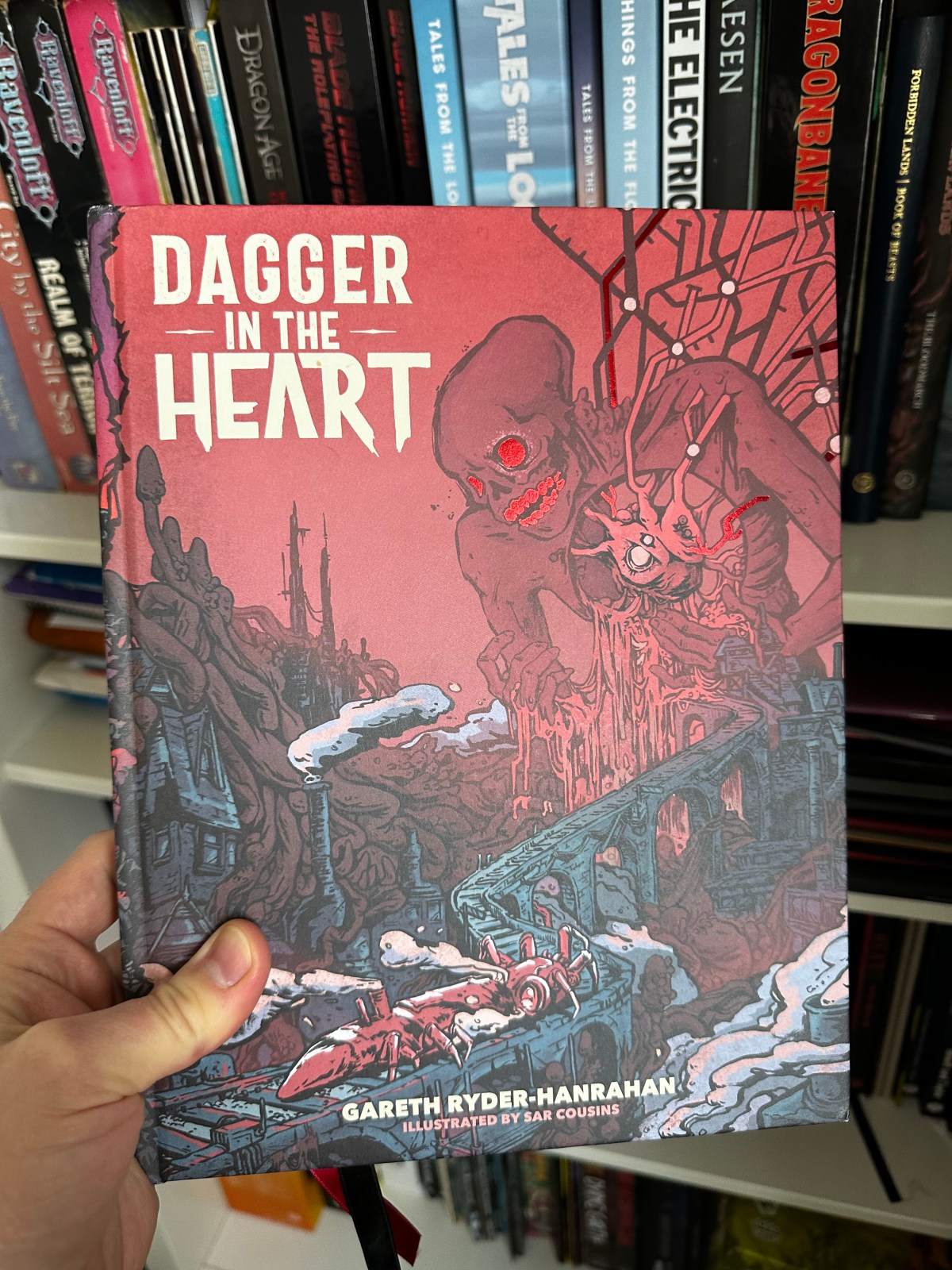
I recently finished reading through the new campaign book for Heart, the City Beneath. Dagger in the Heart from Rowan Rook and Decard was written by Gareth Ryder-Hanrahan and illustrated by Sar Cousins and came after a very successful crowdfunding effort last year. I backed it because I back everything from RRD but also because I was curious about how they were going to go about constructing a campaign for a game like Heart. In my experience, A campaign for Heart is something best dealt with one session at a time. Looseness and improvisational ability are qualities you will benefit from when GMing this game. The character beats that drive the events and the plot and the characters forward might have one PC searching for someone to kick off a tall building while another might be looking to get into a situation that’ll garner them some major Echo Fallout. So, maintaining any sort of direction can be a challenge. This is one of the game’s great strengths, of course. It makes it feel quite organic at the table and allows your players to feel as though they are the focus of the evolving story.
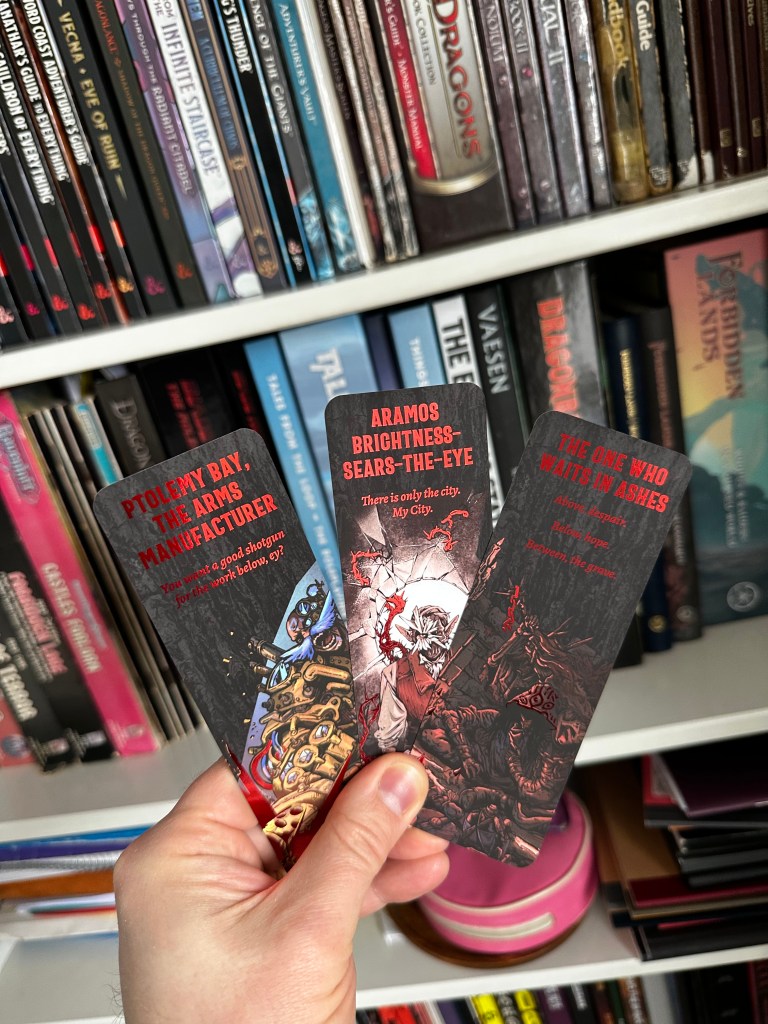
So, how to you translate that style of play into a coherent campaign? Well, you get Gareth Ryder-Hanrahan to write it for you, obviously. What he has done with Dagger in the Heart is provide the GM with a trio of inspired villains that I can imagine the PCs will love to hate and built the campaign around their plots and goals. In the introduction, he also gives you a guide on how to use these villains, depending on the length of campaign you want to run and some other factors. You don’t need to use them all, and, indeed, you are encouraged not to. Importantly, the campaign will work no matter which ones you use. They mostly act as foils to the PCs plans and actions and you are given suggestions, throughout the book, on how to use them in each area and during each major event. In Dagger in the Heart, the villains have their own beats they’re working towards, which helps in keeping track of what they are doing most of the time.

After the intro, you get seven chapters, each of which focuses on the areas of the Heart (or, indeed, the City Above) that are important at different points in the campaign. A chapter features an overview section which briefly explains what is contained in it and what the PCs are expected to be doing while they interact with the places, people and events contained in it. After that, you have a Staging section, which gives you options on how to get the PCs to move the overall plot forward while they do the usual Heart stuff of delving and hitting their Beats. This might include descriptions of major NPCs or stat blocks for enemies. After this, you get your Landmark and Delve descriptions. There are so many Landmarks in this book. I am pretty sure there are more Landmarks in this than in the Heart core book. But the delvers are not required to visit all of them. Instead there are just a lot of options. Indeed, because of the very loose nature of the campaign, the Landmarks can occur in any order, within any given Tier of the Heart, at least. In fact, they can mostly move quite freely between Tiers as well. So, despite the plot focusing so heavily on the occult and defunct underground train system known as the Vermissian, Dagger in the Heart is anything but Railroady. What it does, is provide you and your players with a plethora of options for how the story of the campaign could play out at your table and, indeed, how it might end, taking into account what your delvers might do.

After reading it, I was energised and inspired. I wanted to get some players around the table and send them back into the Heart as soon as possible. It will have to wait a little while, though, while other games come to an end. In the meantime, I get to read it again and prepare something really special.
Heart GM Screen


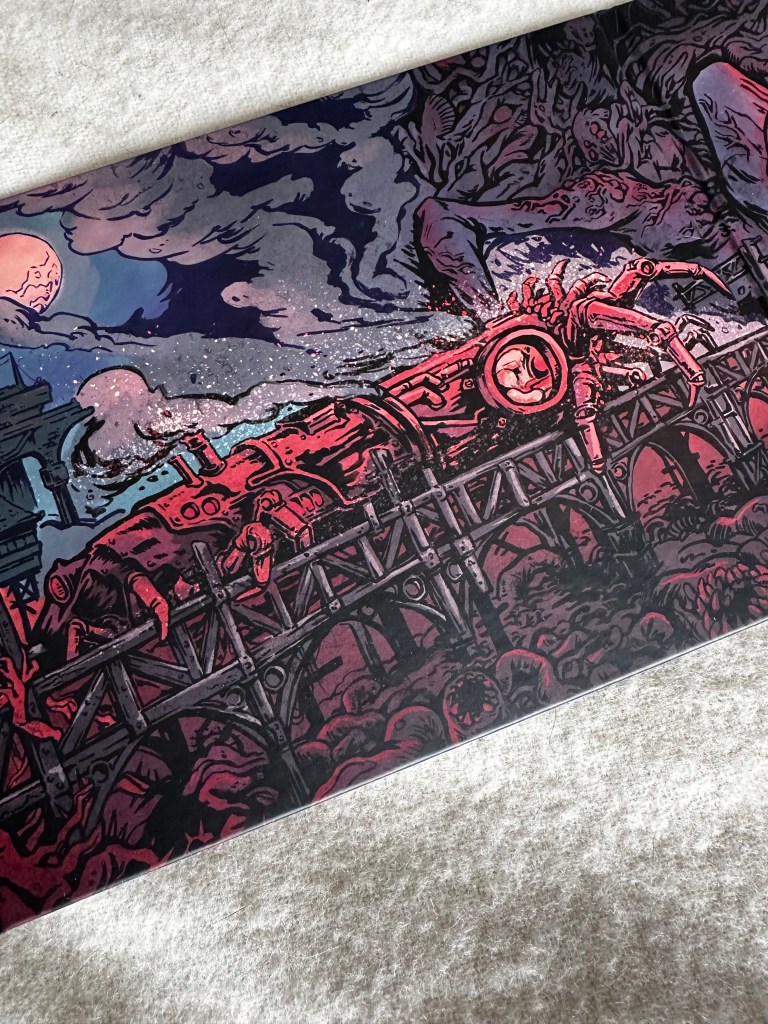
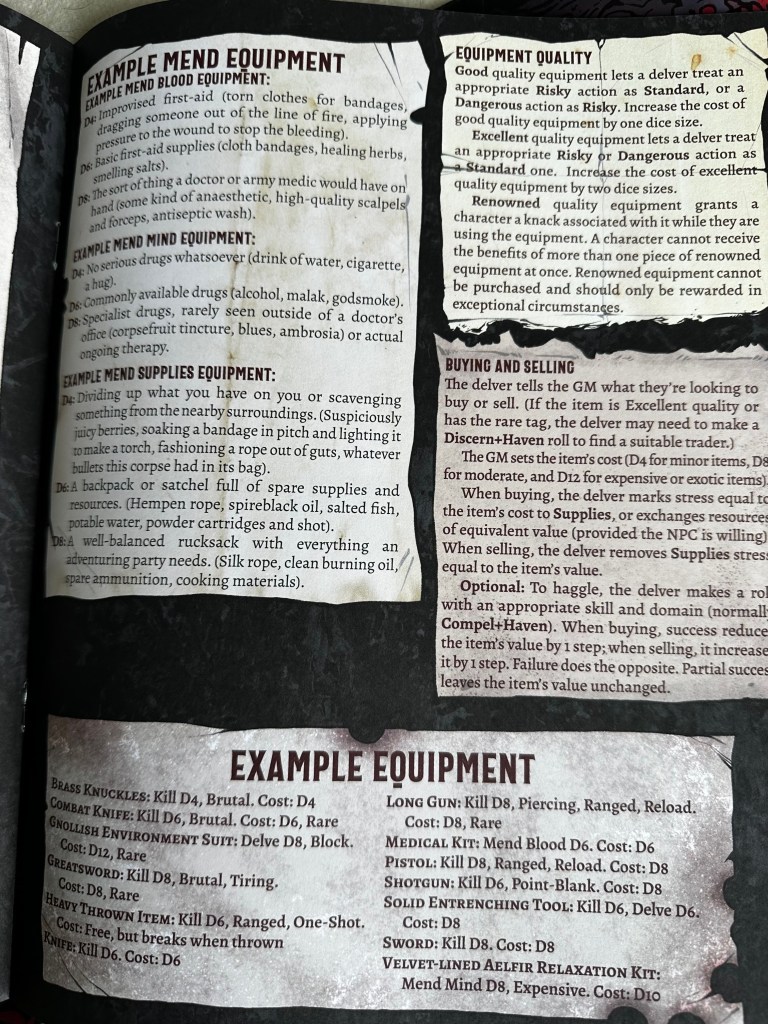
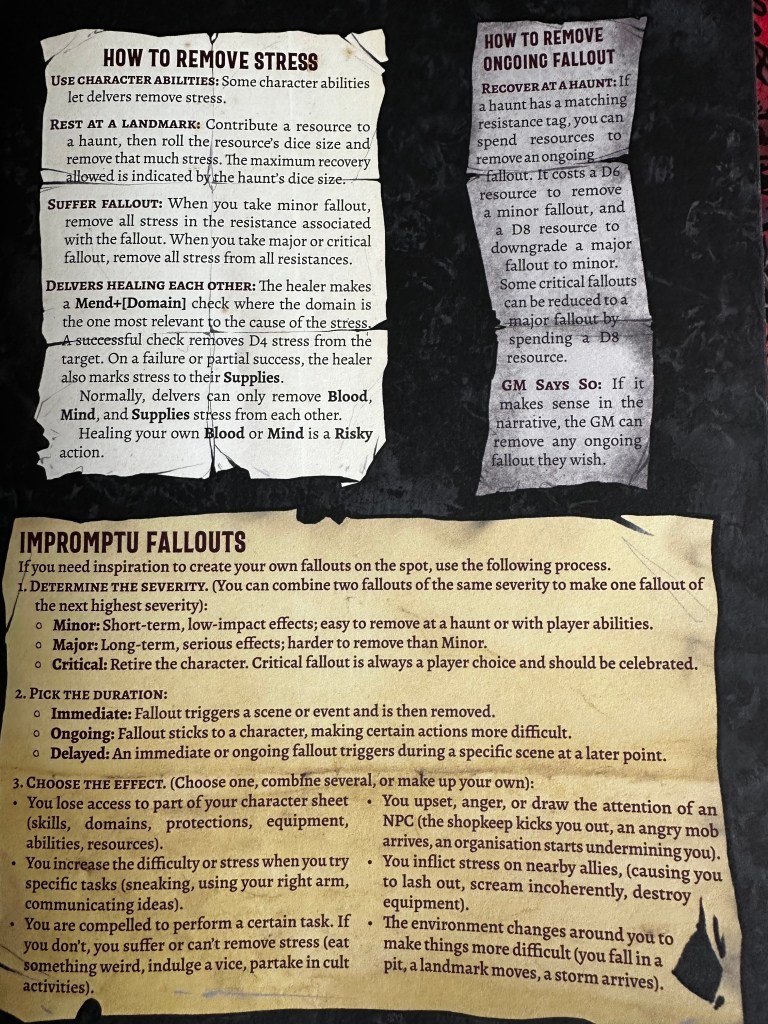
I also got the new Heart GM Screen from the Backerkit. It’s exactly what you would expect from RRD. Very high quality and totally over the top. There are no useful tables or common rules on the screen itself. Instead it comes with a booklet that you can rip the particular pages out of or, I suppose, photocopy and attach to the screen as you like. That way you can switch out the items you most need, when you most need them. It’s a nice idea and I think it will be useful.



Discover more from The Dice Pool
Subscribe to get the latest posts sent to your email.

 The Dice Pool
2 thoughts on “Dagger in the Heart”